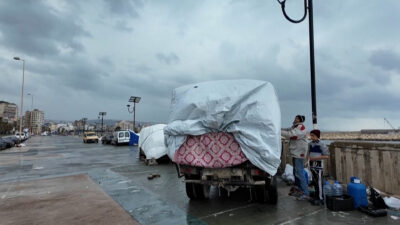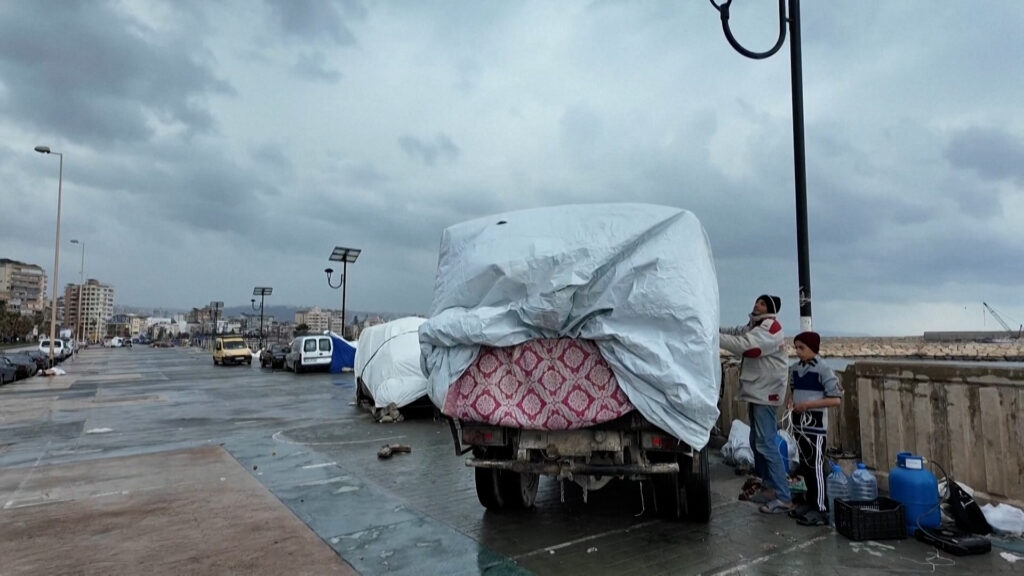
In the coastal city of Sidon, Lebanon, displaced families facing dire housing challenges have resorted to transforming their vehicles into makeshift shelters. This desperate yet resourceful response is driven by a combination of economic hardship, inadequate emergency housing, and the ongoing displacement crisis in the region.
Many families who have been uprooted due to social and economic instability, along with the impacts of regional conflicts, find themselves without homes or access to basic shelter. As a result, vehicles such as cars and vans serve as the only immediate refuge available. To shield themselves from the elements, especially persistent rains, these families cover their vehicles with tarpaulin sheets, creating improvised rain-soaked shelters.
This innovative yet grim sheltering method highlights the critical lack of formal housing support for displaced populations in Lebanon. Sidon has witnessed an influx of internally displaced people who are grappling with limited resources. The use of vehicles underscores the precarity and vulnerability these groups face, as well as the failure of adequate government and humanitarian responses to meet their basic needs.
The makeshift shelters, often cramped and uncomfortable, expose occupants to harsh weather conditions, including heavy rainfall that soaks the tarps and leaks inside. Despite these challenges, displaced families demonstrate resilience by adapting what limited resources they have. However, these conditions exacerbate health risks and psychological stress, especially for children and the elderly.
Local humanitarian organizations have called for increased aid and more sustainable housing solutions to address the plight of displaced residents. They urge authorities to implement emergency shelter programs and provide durable housing that safeguards dignity and security.
The situation in Sidon is a microcosm of broader displacement and housing crises across Lebanon, where economic collapse, political instability, and regional conflicts continue to fuel hardship. Transforming vehicles into rain-soaked shelters is a stark visual reminder of the urgent need for comprehensive support and coordinated relief efforts to protect vulnerable families from further hardship.
As displaced families in Sidon brave the pouring rain with only tarps shielding them, the international community faces a critical moment to step in with meaningful aid and long-term solutions to restore stability and shelter to those most affected.