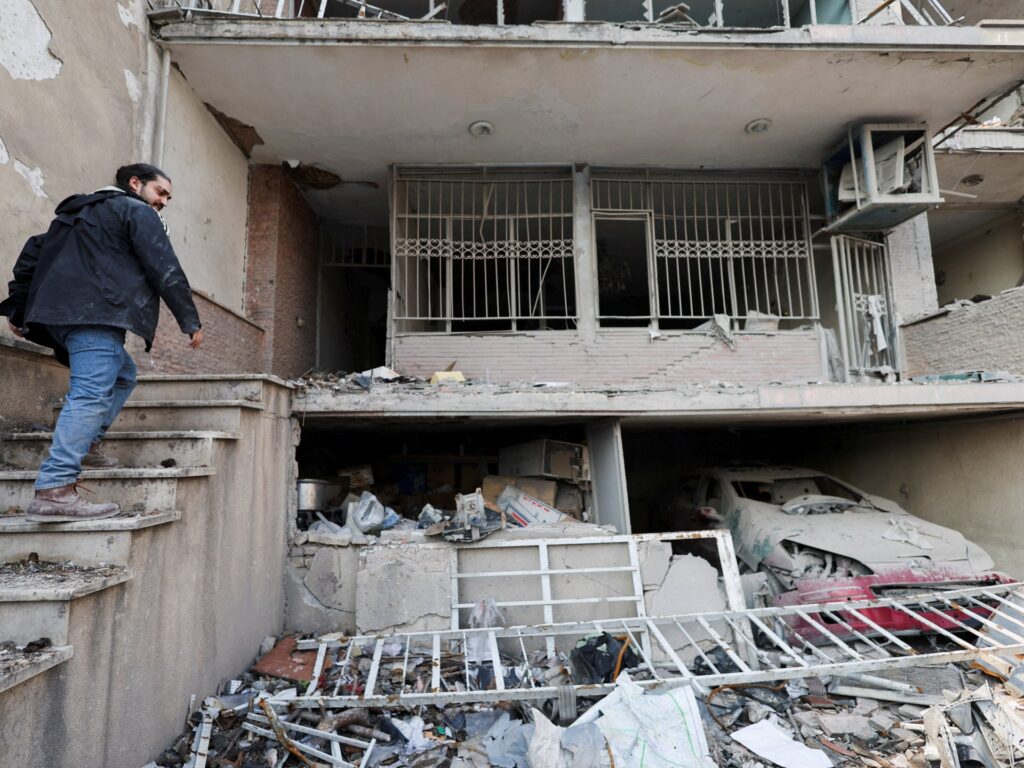
On the 16th day of the ongoing conflict involving Iran, the situation has dramatically intensified with coordinated attacks by US and Israeli forces targeting strategic locations in Iran, including Isfahan. The strikes resulted in the deaths of at least 15 people, marking a significant escalation in the already volatile region.
Isfahan, a key city in Iran with both military and civilian significance, bore the brunt of these attacks. The US and Israeli forces reportedly aimed at disrupting Iran’s military infrastructure and capabilities. These attacks have drawn sharp condemnation from Tehran, which has vowed a strong and decisive response.
In retaliation, Tehran launched multiple attacks targeting Israel and several Gulf countries. These regions have been put on high alert as the Iranian arsenal, including missile and drone strikes, was reportedly used to send a stern message. This tit-for-tat violence has heightened fears of a broader regional conflict involving many allied nations.
The Iran War, now in its third week, shows no signs of de-escalation. The international community has called for restraint as thousands of civilians face the brunt of the conflict. Humanitarian concerns are mounting with reports of casualties and damage to infrastructure in several cities.
Diplomatic channels, though engaged, are under severe stress as both sides remain entrenched in their positions. The US and Israel justify their actions as necessary for national security and to curtail Iran’s alleged nuclear ambitions and regional influence.
Meanwhile, Iran asserts its right to defend its sovereignty and respond to aggression, pointing to historical grievances and regional dynamics that fuel this conflict. The attacks on the Gulf countries by Iran have also complicated relationships in the region, affecting trade routes and energy supplies critical to the global economy.
Public sentiment in affected countries remains tense, with widespread fear of an expanding war front. International organizations have begun mobilizing aid for affected populations while urging belligerents to consider ceasefire talks.
Analysts warn that without effective mediation, the conflict might spill over to neighboring countries, potentially destabilizing the Middle East further. The next few days are crucial as the world watches closely for signs of escalation or steps toward peace.
In summary, the 16th day of the Iran War is marked by deadly US-Israel attacks on Iranian territory and forceful Iranian reprisals targeting Israel and Gulf nations. The crisis highlights deep-rooted tensions and the complexities of Middle Eastern geopolitics, underscoring the urgent need for diplomatic interventions to prevent further loss of life and regional destabilization.