The escalating tensions in Lebanon have drawn global attention, with United Nations Secretary-General António Guterres emphasizing that there is “no military solution, only diplomacy” to resolve the ongoing conflicts. His statement comes as Lebanon reportedly prepares a delegation to engage in dialogue with Israel, signaling a possible move towards de-escalation through diplomatic channels.
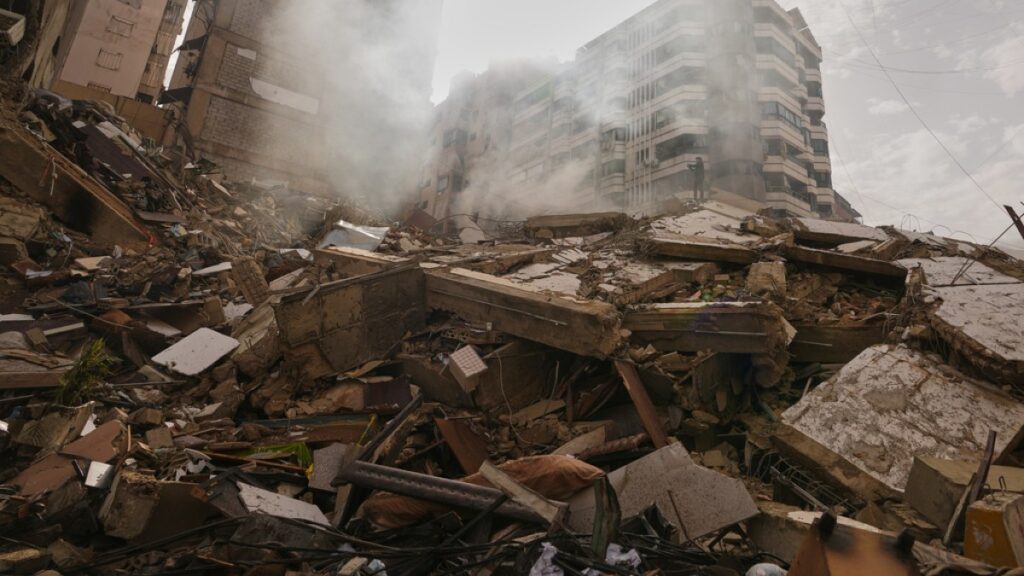
In recent weeks, the volatile situation between Lebanon and Israel has heightened concerns over regional stability. The conflict has roots in longstanding political disputes and recent clashes, which risk spiraling into broader violence that could impact neighboring countries and beyond.
Secretary-General Guterres has been actively involved in seeking peaceful solutions to the crisis. His call for diplomacy underlines the UN’s commitment to facilitating negotiations that respect the sovereignty of Lebanon while addressing Israel’s security concerns. Guterres has also appealed to the international community to bolster humanitarian support for Lebanon, which faces significant challenges due to ongoing conflict and economic instability.
Reports indicate that Lebanon is mobilizing a delegation for talks with Israeli officials, a development that could signal a shift toward mitigating hostilities. This move comes amid intense diplomatic efforts from various actors aiming to find a sustainable resolution to the conflict.
Humanitarian concerns remain a top priority. The UN under Guterres’s guidance is ramping up assistance to alleviate the suffering of civilians caught in the crossfire. This assistance includes food, medical supplies, and support for displaced populations, aiming to prevent a deepening humanitarian crisis.
The situation in Lebanon is complex, involving numerous internal and external actors with competing interests. International observers recognize that peace will require concessions and a willingness to engage in constructive dialogue from all parties involved.
UN Secretary-General Guterres’s message is clear: military actions only intensify suffering and instability. Diplomacy, supported by robust humanitarian aid, remains the viable path forward to achieve lasting peace in Lebanon.
As Lebanon prepares for potential talks with Israel, the world watches closely. The outcomes of these discussions could shape the future of peace and security in the Middle East, influencing geopolitical dynamics far beyond the immediate region.
In conclusion, the international community, led by the United Nations, continues to advocate for dialogue and cooperation as the means to resolve the Lebanese conflict. The combined efforts of diplomacy and humanitarian aid offer hope for a peaceful resolution that benefits all affected populations.