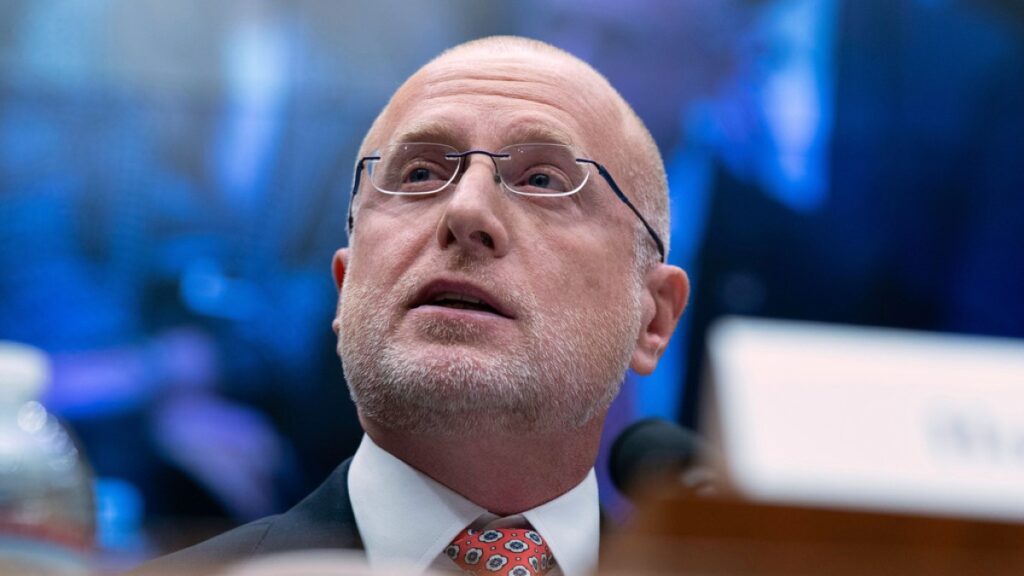
In a move that has sparked widespread concern over press freedom, the Trump administration has issued a stern warning to news outlets critical of its approach to Iran. The controversy centers on statements made by the Federal Communications Commission (FCC) chair who cautioned that broadcasters sharing what the administration deems as “distortions” about the US involvement in the conflict with Iran could face severe penalties, including the revocation of their broadcasting licenses.
This threat marks an unprecedented level of government intervention in media reporting on international relations, particularly in the context of the sensitive and complex US-Iran conflict. The FCC chair’s comments, viewed by many as an attempt to intimidate and silence critical journalism, come amid heightened tensions between the two nations, with escalations that have significant global ramifications.
Critics argue that the administration’s move undermines the democratic principle of freedom of the press, which is vital for holding government power accountable. Various media organizations and press freedom advocates have condemned the warnings, characterizing them as efforts to suppress dissenting voices and control the narrative around US foreign policy.
Supporters of the administration, however, claim that misinformation or biased reporting can jeopardize national security and public perception during times of conflict, justifying stringent measures to ensure accurate dissemination of information.
The controversy has ignited debates over the role of government agencies like the FCC in regulating news content. Traditionally, the FCC oversees technical and operational aspects of broadcasting licenses, but involvement in content regulation raises concerns about censorship and freedom of speech.
This development also coincides with a broader global discussion about the balance between combating misinformation and protecting freedom of expression. In many countries, efforts to clamp down on perceived fake news have sometimes led to authoritarian practices that curb independent journalism.
The Trump administration’s stance could set a precedent for other governments to follow suit, potentially threatening global media independence. Observers caution that any relaxation of protections for critical media could accelerate the spread of propaganda and reduce public access to diverse viewpoints.
As the US and Iran remain locked in a complex and often volatile struggle, the role of the media in providing facts, analysis, and uncovering truths becomes even more crucial. The administration’s warning represents a significant challenge to journalists who seek to inform the public without fear of retaliation.
In response, several press organizations have vowed to resist such pressures and uphold journalistic integrity. Legal experts are also monitoring the situation closely, considering possible judicial interventions to protect constitutional rights.
The issue highlights an ongoing tension between national security interests and democratic freedoms. Navigating this delicate balance remains a significant challenge not only for the United States but for democracies worldwide.
As the story develops, it will be critical to watch how the FCC and the Trump administration proceed, and whether they will follow through on these threats or reconsider their approach in light of public and institutional pushback.
This episode serves as a reminder of the essential role that a free and independent press plays in scrutinizing government actions, especially in matters of war and peace, where the stakes are incredibly high for nations and their citizens.