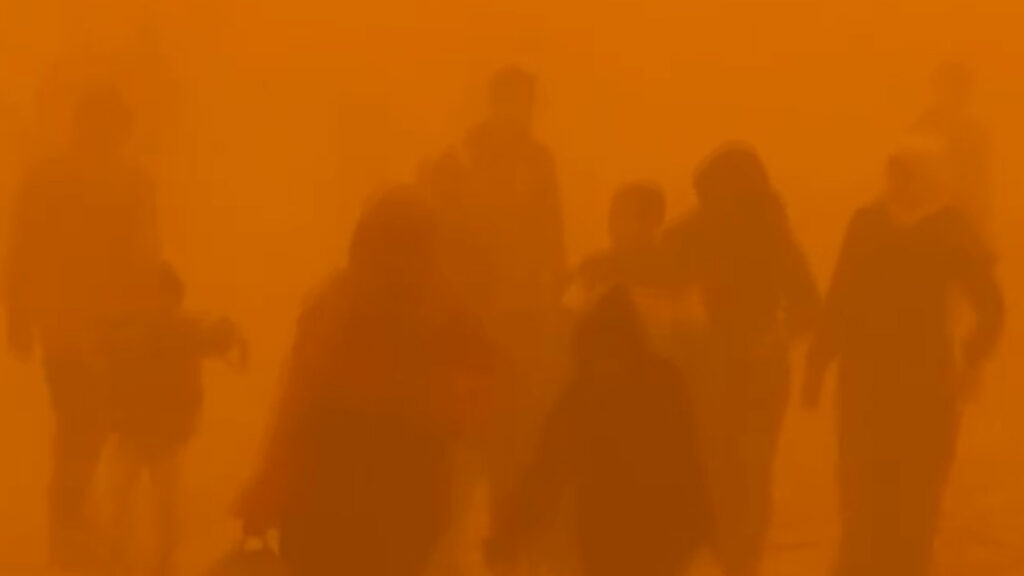
A powerful sandstorm recently swept through Gaza, exacerbating the already dire situation for displaced Palestinians in the region. The storm, characterized by heavy dust clouds and strong winds, has reduced visibility drastically and affected the daily lives of thousands.
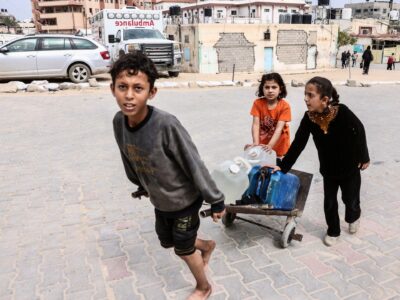
Gaza, a densely populated area with ongoing humanitarian challenges, is home to many families who have been displaced due to conflict. These displaced populations often live in precarious conditions, including makeshift shelters and overcrowded camps, where protection against harsh weather is minimal.
The sandstorm has triggered a range of serious issues. First and foremost, respiratory problems have surged, as fine dust particles aggravate chronic health conditions and cause new respiratory ailments. Local health facilities, already strained due to limited resources, are seeing an influx of patients suffering from asthma, bronchitis, and other breathing difficulties.
Moreover, the storm has disrupted transportation and access to essential services. Roads became hazardous or impassable at times, complicating efforts by aid organizations to reach vulnerable populations. Many schools were forced to close temporarily due to the poor air quality and unsafe conditions.
The environmental impact includes damage to crops and farmlands on the outskirts of Gaza, a blow to food security for many families. The storm’s aftermath leaves behind a layer of dust that contaminates water sources and compounds sanitation challenges, increasing the risk of waterborne diseases.
Humanitarian groups on the ground are mobilizing resources to assist affected communities. Efforts include distributing masks, water purification tablets, and medical aid to mitigate health risks. They are also advocating for increased international support to address immediate needs and to bolster Gaza’s capacity to handle such natural hazards in the future.
The sandstorm underscores the vulnerability of Gaza’s displaced and impoverished populations as they confront not only the consequences of ongoing conflict but also the severe impacts of environmental disasters. Comprehensive responses combining emergency relief and long-term resilience building are vital to improving conditions and protecting human health in this fragile context.