The conflict in the Middle East has escalated significantly as Iran’s Islamic Revolutionary Guard Corps (IRGC) issued a stern warning to United States forces stationed in the United Arab Emirates (UAE) following intense attacks on Kharg Island. The situation remains volatile, with Tehran experiencing heavy strikes, signaling a new phase of confrontation between Iran and the US.
Kharg Island, a vital strategic and oil export hub for Iran, recently came under severe bombardment, which Iran attributes to US military actions. The US President confirmed the bombing raid, stating that it was a “powerful” operation aimed at Iranian forces on the island. This assault marks one of the most significant direct military engagements between the two nations in recent times.
In response, the IRGC issued a threatening statement targeting US troops in the UAE, suggesting that any further aggression would provoke retaliatory actions. The UAE, home to a substantial US military presence, has been thrust into the center of this escalating conflict, raising concerns about regional stability and the safety of American personnel.
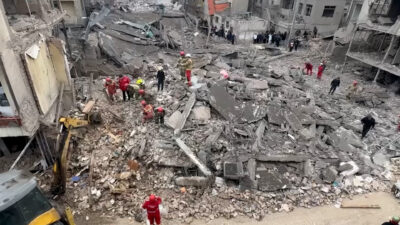
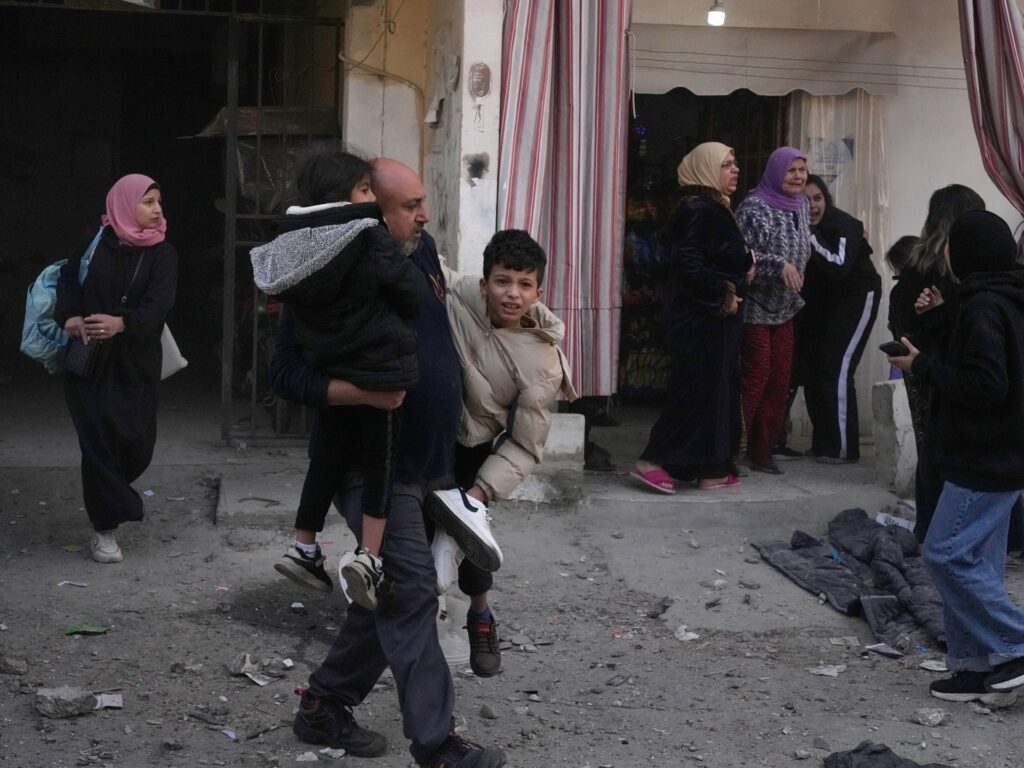
Central Tehran, the Iranian capital, also witnessed intense strikes, indicating that the conflict might be expanding beyond the initial flashpoints. The Iranian government has not disclosed the full extent of the damage or casualties resulting from these strikes, but eyewitness reports confirm widespread disruption and heightened security measures.
This series of events comes amid already heightened tensions following years of diplomatic strain over Iran’s nuclear program, sanctions, and regional influence. The recent US bombing on Kharg Island signifies a shift from diplomatic and economic pressure to overt military engagement, raising fears of a broader conflict.
Analysts suggest that Iran’s aggressive response, including the IRGC’s threats towards US forces in the UAE, reflects Tehran’s intent to deter further US military operations in the region. The volatile nature of these exchanges adds unpredictability to an already fragile geopolitical landscape.
The international community watches with concern as the risk of a wider military confrontation grows. Efforts at diplomatic resolutions appear to be deteriorating, with each side taking a hardline stance. This escalation threatens not only the security of the Middle East but also global oil markets, given Kharg Island’s significance as an energy distribution point.
Both Iran and the US have powerful allies in the region, and any spillover could ignite broader conflicts. The threat by the IRGC to US forces in the UAE is particularly alarming given the UAE’s strategic ties with the US and its importance as a regional hub.
As of now, there are calls from international leaders and organizations for calm and restraint, urging all parties to avoid actions that could lead to full-scale war. However, the current trajectory suggests that without diplomatic intervention, the situation may worsen, compelling both Tehran and Washington to reconsider their positions.
This latest chapter in the ongoing Iran conflict underscores the fragile nature of Middle East geopolitics and highlights the dangers of military escalation in a region already burdened with political tensions and historic rivalries. The world remains attentive to developments and hopeful for a peaceful resolution before further damage unfolds.