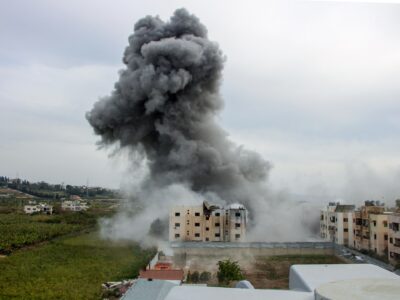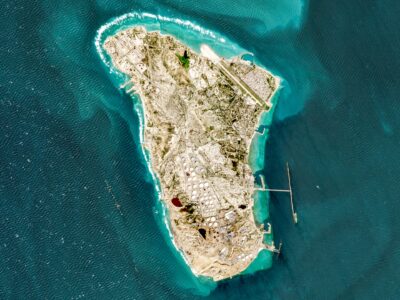
On the 15th day of escalating conflict between the United States, Israel, and Iran, tensions have sharply intensified following a significant US military strike on Iran’s Kharg Island, a critical hub for the country’s oil export infrastructure. This move comes amid warnings from the US that further disruptions to shipping in the strategic Strait of Hormuz could lead to additional attacks targeting Iran’s oil sites.
Kharg Island is pivotal to Iran’s oil industry, housing facilities that handle a substantial volume of the country’s crude oil exports. The recent US strike is reportedly aimed at deterring Tehran from interfering with maritime traffic through the Strait of Hormuz, a vital chokepoint through which a significant portion of the world’s oil supply is transported.
The US has articulated a clear stance that any attempts by Iran to disrupt freedom of navigation in this critical waterway will face robust military responses. This declaration underscores the heightened security concerns over global energy markets and the stability of international shipping lanes.
Analysts suggest that the US action on Kharg Island marks an escalation in the conflict, signaling readiness to impose severe consequences on Iran’s oil infrastructure. The attack also reflects a strategic effort to safeguard global energy supplies and maintain the free flow of commerce.
Meanwhile, Israel continues to conduct its own operations against Iranian targets, contributing to a complex and volatile situation in the Middle East. The combined military pressure from the US and Israel aims to curtail Iran’s ability to project power in the region and retaliate against its perceived provocations.
Diplomatic efforts to de-escalate tensions have so far been unsuccessful, with Iran vowing to defend its sovereignty and interests. Iranian officials have condemned the US strikes as acts of aggression and affirmed that they will respond in kind if further attacks are carried out.
International markets have reacted nervously, with oil prices experiencing volatility due to fears of extended disruptions in supply. Global leaders are closely monitoring the situation, urging restraint from all parties to avoid a broader conflict that could destabilize the region further.
The situation remains fluid, with potential for rapid developments as all sides weigh their strategic options. The coming days will be critical in determining whether the conflict escalates further or if there will be a move towards negotiation and de-escalation.