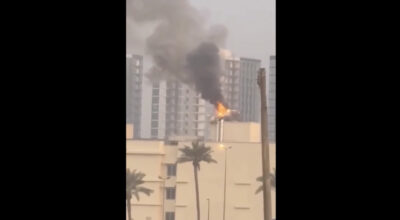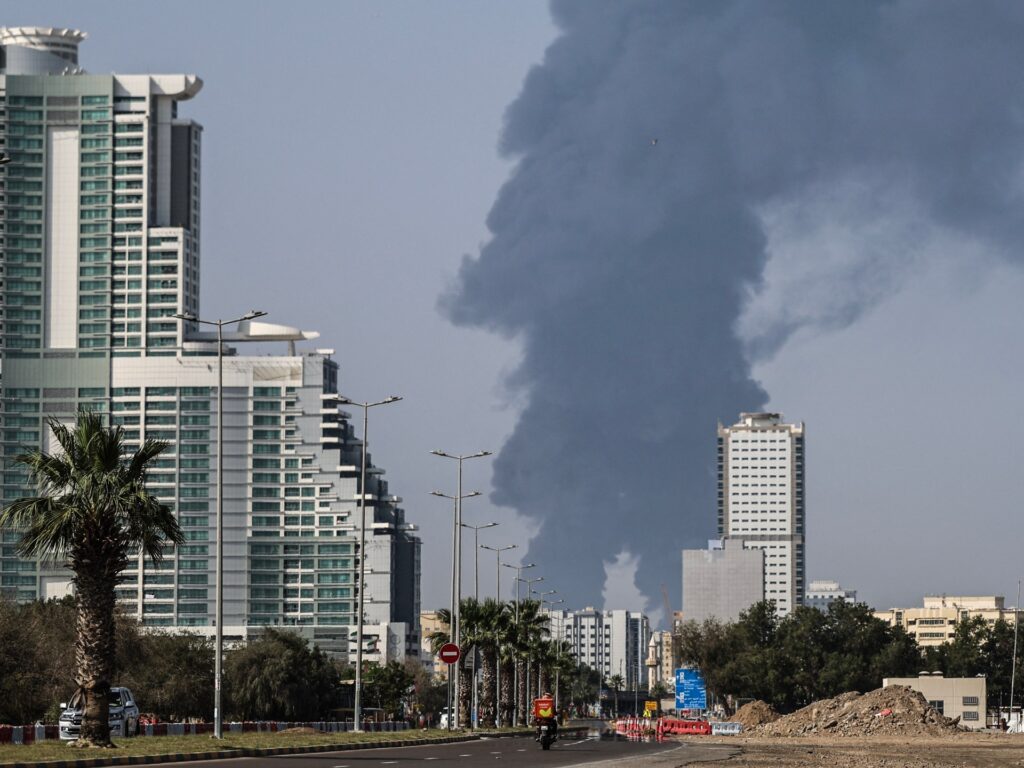
In the aftermath of the escalating conflict between the US, Israel, and Iran, tensions across the Gulf region have sharply increased, with Iran intensifying attacks in a show of retaliation. Recently, a significant fire broke out at the United Arab Emirates’ major oil hub in Fujairah, raising concerns about the stability and security of critical energy infrastructure in the region.
The situation escalated after the US conducted an attack on Iran’s Kharg Island, a strategic oil export terminal vital to Iran’s economy and energy exports. Iran has vowed to respond decisively to what it has termed an act of aggression, promising to continue its attacks across the Gulf in retaliation.
Fujairah, located on the eastern coast of the UAE, is a key transit point for a substantial portion of the world’s oil shipments, making any disruptions there a matter of international concern. The fire at the oil facility, which caused significant damage, has not only compromised regional energy supplies but also heightened fears of further attacks that could disrupt global oil markets.
Regional powers and international observers have expressed alarm over the rapid deterioration of security along vital maritime routes that safeguard much of the world’s energy flow. The Gulf’s strategic waterways, including the Strait of Hormuz near Iran, are critical chokepoints for global oil transportation, and any conflict here has ramifications far beyond the region.
Iran’s military rhetoric has grown more aggressive, underscoring its resolve to defend national interests and retaliate against perceived hostilities by the US and its allies. This intensification marks a new chapter in the ongoing shadow war between Iran and a US-led coalition, involving periodic strikes, cyber warfare, and proxy conflicts.
The UAE, while not a direct party in the US-Iran conflict, finds itself on the frontline due to its pivotal role in global energy markets and its geographical proximity to Iran. The attack on the Fujairah oil hub illustrates the broader risks faced by Gulf states as regional tensions escalate.
International calls for de-escalation and diplomacy have so far struggled to gain traction amid the heightened hostilities. Analysts warn that continued confrontations could lead to more severe disruptions in energy supplies and increased volatility in global markets.
The ongoing clashes serve as a grim reminder of the fragile balance of power in the Gulf region, where global economic interests intersect with deep-seated geopolitical conflicts. The coming weeks will be critical in determining whether diplomatic efforts can prevent a wider conflict or if the region will see a spiral of retaliatory attacks with far-reaching consequences.