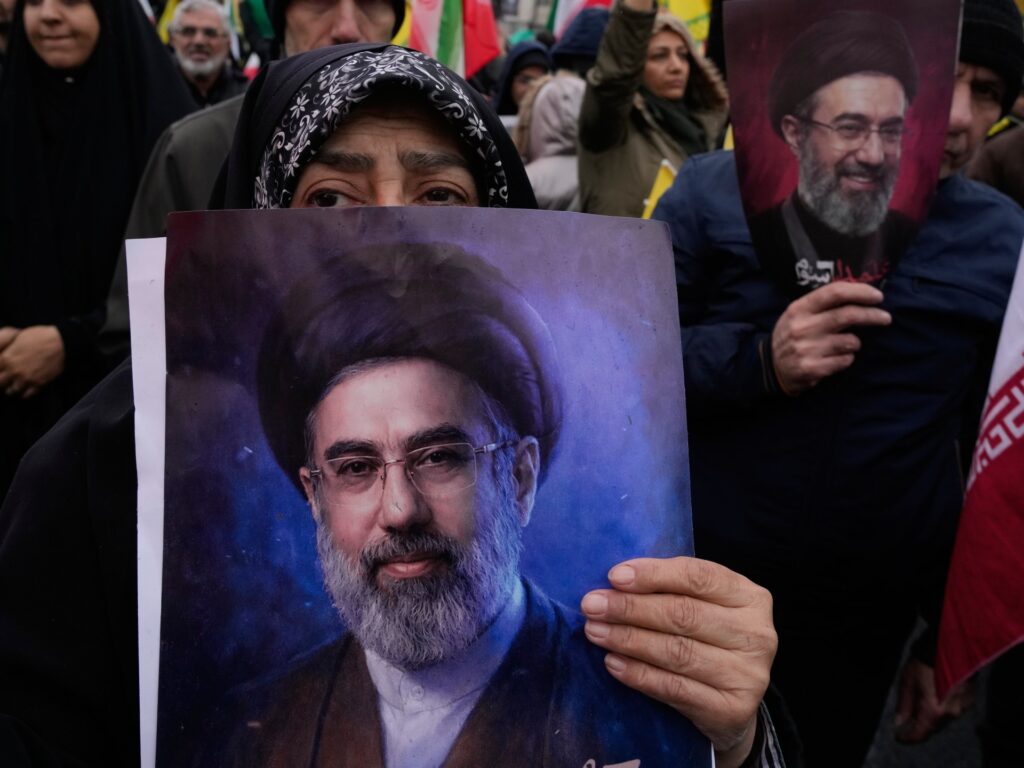
In a recent development that has caught international attention, Pete Hegseth, a prominent US media personality and political commentator, has claimed that Mojtaba Khamenei, the newly appointed Supreme Leader of Iran, has sustained injuries. This claim surfaced just a day after Mojtaba Khamenei made his first public statement since assuming leadership, in which he vowed to continue fighting.
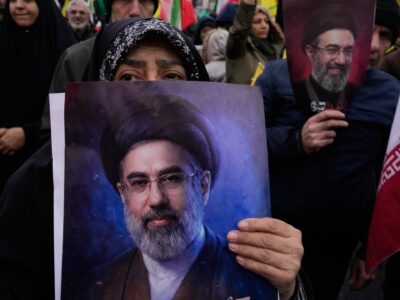
Mojtaba Khamenei, son of Iran’s former Supreme Leader Ali Khamenei, recently took over the top leadership role following the passing of his father. His appointment marks a significant moment in Iran’s political landscape, given the powerful legacy left by Ali Khamenei during his tenure.
In his initial remarks as Supreme Leader, Mojtaba Khamenei reaffirmed Iran’s determination to resist external pressures and maintain its fight for what it describes as sovereignty and regional influence. However, Pete Hegseth’s assertion introduces uncertainty into this narrative by suggesting that the new leader may already be physically compromised.
Hegseth’s claims have not yet been independently verified, and no official statement from Iranian authorities has confirmed or denied the reports of injury. Despite this, the allegations raise questions about the stability and future leadership dynamics within Iran.
Iran’s leadership transition is critical, as the country faces a complex geopolitical environment, including ongoing tensions with the United States and other Western nations. Mojtaba Khamenei’s health and ability to lead effectively could impact international negotiations and the broader strategic posture of Iran.
The circumstances surrounding Mojtaba Khamenei’s reported injury remain unclear. Speculations range from political unrest within Iran to possible external threats. Such ambiguity adds to the complicated picture of Iran’s internal politics during this transition period.
Observers of Middle Eastern affairs are closely monitoring these developments, as any instability in Iran’s leadership may have significant implications for the region’s security and diplomatic relations.
The United States, under the current administration, has maintained a wary stance toward Iran, emphasizing the importance of monitoring the regime’s activities while preparing for various contingency scenarios. Hegseth’s remarks could reflect broader concerns within American political circles about the direction and resilience of Iran’s new leadership.
In conclusion, while Mojtaba Khamenei’s pledge to continue fighting underscores Iran’s resolve, Pete Hegseth’s claim of injury introduces an element of uncertainty that could influence the geopolitical dynamics concerning Iran. Further verification and official communications will be crucial in assessing the situation accurately and understanding its potential impacts on both Iran and the international community.