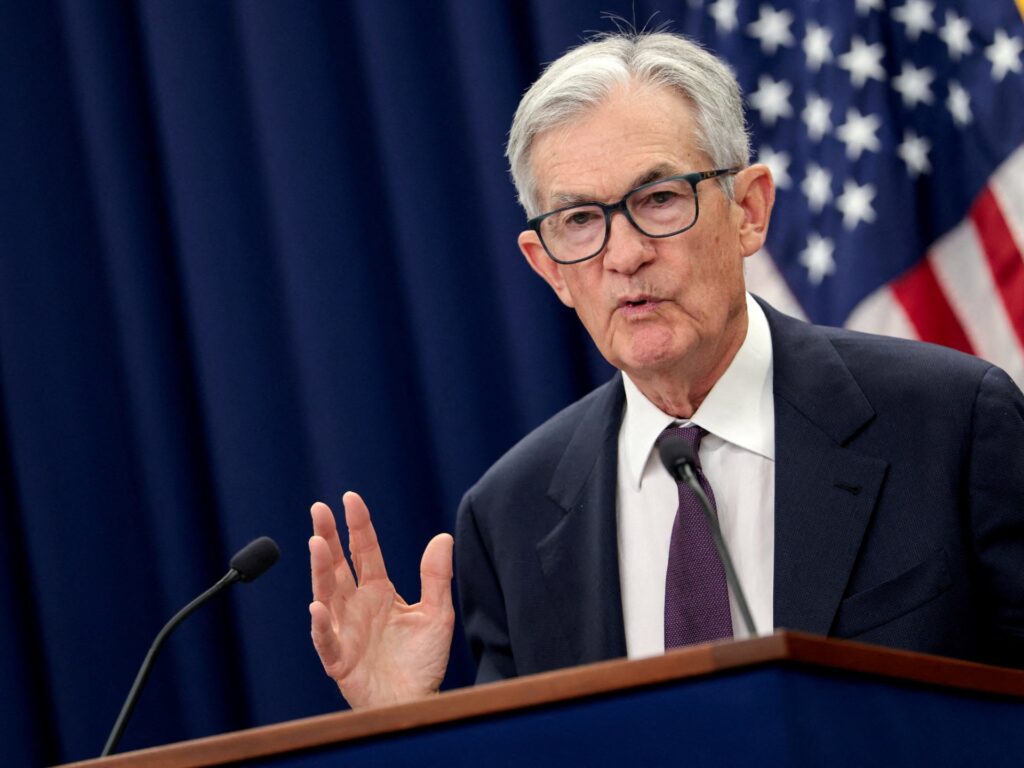
In a significant legal development, US Judge James Boasberg has dismissed two subpoenas issued against Federal Reserve Chair Jerome Powell. These subpoenas were part of a probe by US prosecutors during the Trump administration. However, Judge Boasberg ruled that the prosecutors presented “essentially zero evidence” to justify the subpoenas.
The subpoenas aimed to compel Powell to provide documents and testify about certain Fed activities, presumably linked to investigations into the central bank’s decisions or policies. The move had attracted considerable attention given the high profile of Jerome Powell and the sensitive nature of Federal Reserve operations.
Judge Boasberg’s ruling emphasized the lack of substantial evidentiary backing from the prosecutors, which rendered the subpoenas inappropriate and without merit. This decision underscores the judicial system’s role in protecting critical institutions from overreach, especially when evidence is insufficient.
This ruling may also impact ongoing and future legal inquiries involving top government officials, indicating that courts require concrete evidence before allowing subpoenas that could disrupt key federal operations.
Jerome Powell, who has led the Federal Reserve since 2018, has been a central figure in US economic policy, especially during times of financial uncertainty. The dismissal of the subpoenas allows him to continue his work without the distraction of legal entanglements.
The Trump-era investigation reflected the political tensions surrounding the Federal Reserve’s decision-making processes. However, critics of the subpoenas argue that without solid evidence, such legal actions risk undermining the independence and effectiveness of critical financial institutions.
Legal experts note that this case sets an important precedent, reinforcing that federal judges will demand adequate proof before permitting subpoenas on high-ranking officials, particularly in cases involving sensitive national matters.
Overall, Judge Boasberg’s dismissal of the subpoenas against Jerome Powell serves as a reminder of the balance between legal oversight and the protection of institutional integrity. It also highlights the judiciary’s gatekeeping function in ensuring investigations proceed on a basis of verified facts rather than unsubstantiated claims.
The Federal Reserve and its chair can now maintain focus on their mission to stabilize the US economy amid ongoing challenges, including inflation concerns and global economic uncertainties. This ruling provides a layer of legal clarity and security around the role and duties of the Fed’s leadership.
As the situation develops, stakeholders in both the legal and financial sectors will be watching closely for any further developments or legal actions related to this case or similar inquiries into federal officials. For now, the dismissal marks a clear victory for Jerome Powell and the broader principle of requiring substantial evidence before issuing high-profile subpoenas.