Sri Lanka has announced plans to repatriate the remains of 84 Iranian sailors who lost their lives in a recent US attack. The decision came following Iran’s request for the safe return of their deceased personnel to honor their memory and provide closure for their families. According to an official statement from Sri Lanka’s Foreign Ministry, the remains of the 84 sailors will be transported back to Iran for proper burial.
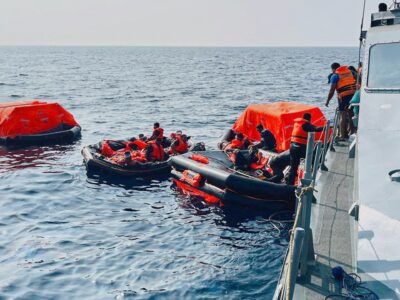
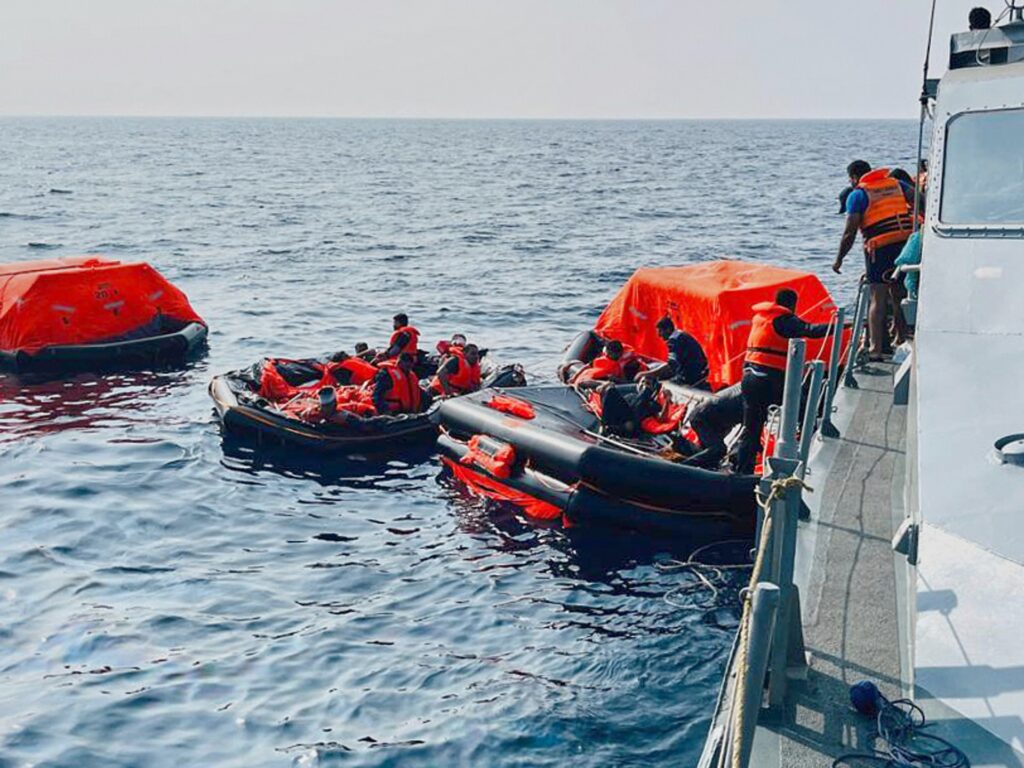
In contrast, the 32 Iranian sailors who survived the attack and were rescued by Sri Lanka’s Navy will continue to stay in the island nation. The Foreign Ministry emphasized that these sailors will be provided with all necessary humanitarian support during their stay.
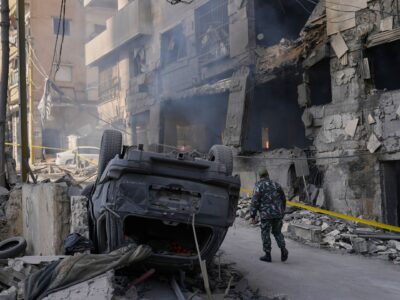
The incident that led to the casualties has sparked international concern, with calls for restraint and peaceful resolution to conflicts escalating tensions in the region. Sri Lanka’s involvement in rescuing survivors and facilitating the repatriation of the deceased demonstrates its commitment to humanitarian principles and fostering good diplomatic relations with Iran.
Sri Lanka’s navy played a crucial role in the rescue operation, showcasing their capability and readiness to respond to maritime emergencies swiftly. The Foreign Ministry stated that both governments have engaged in dialogue to ensure the dignified and timely return of the remains.
The repatriation process involves meticulous coordination between multiple agencies to ensure compliance with international regulations concerning the transport of human remains. Medical and forensic teams have been involved to certify the identities and condition of the remains before shipment.
Meanwhile, the rescued sailors undergoing medical evaluation will receive necessary treatment and support to assist their recovery. Sri Lankan authorities have assured that their welfare remains a priority while arrangements are made for their eventual return to Iran.
This event highlights the broader geopolitical complexities surrounding naval operations in the region, where incidents can have far-reaching diplomatic repercussions. Sri Lanka’s role as a neutral intermediary in this delicate situation reinforces its position as a responsible actor in international relations.
The Foreign Ministry emphasized that repatriation efforts aim to bring closure to families affected by this tragedy and to uphold humanitarian values despite underlying political tensions. Both countries have expressed gratitude towards Sri Lanka for its assistance and professionalism throughout the ordeal.
As preparations for repatriation continue, the international community watches closely, hoping that such tragic incidents serve as a catalyst for dialogue and de-escalation in the region. The hope remains that all parties involved will take steps towards peaceful resolutions, honoring the memory of those lost and safeguarding the welfare of survivors.
Sri Lanka’s proactive measures in this crisis demonstrate the importance of international cooperation and respect for human dignity during times of conflict, providing a framework for handling similar situations in the future.