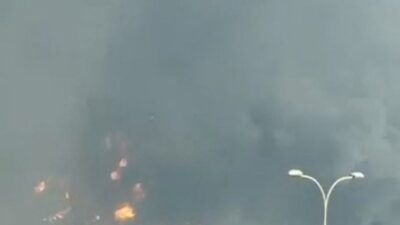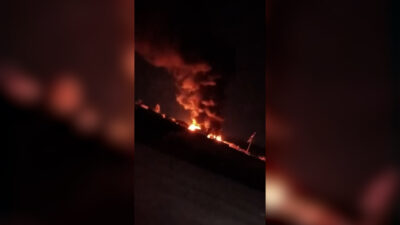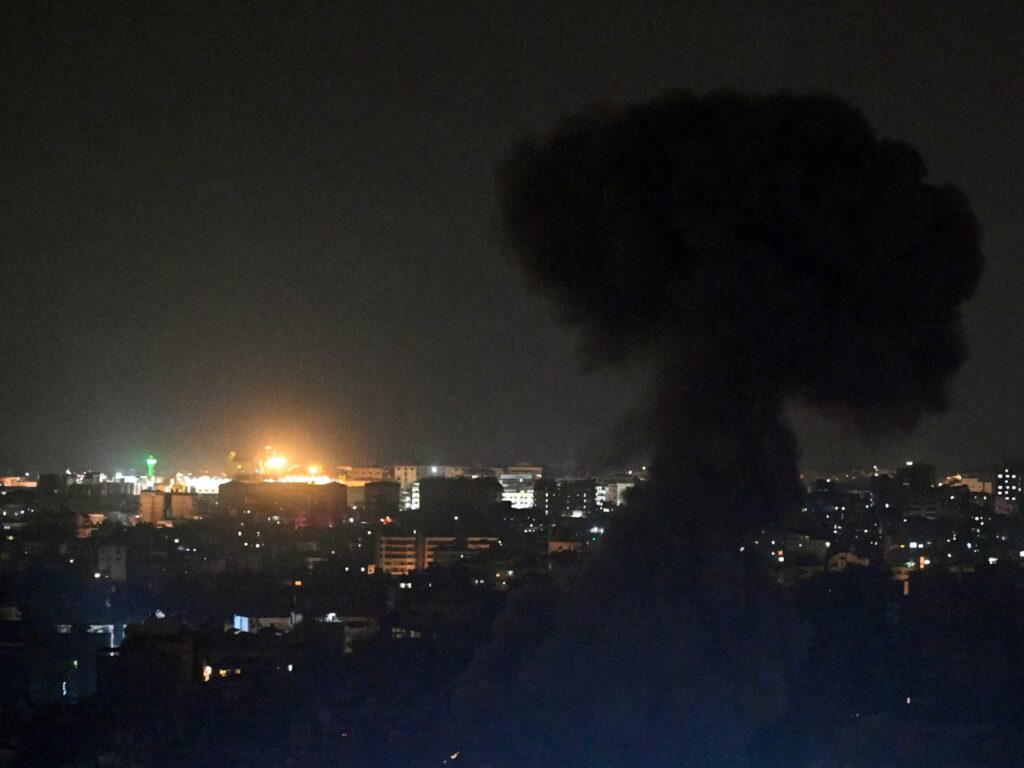
Israel has launched a series of attacks in Lebanon, specifically targeting areas in Beirut that had previously remained untouched in the ongoing conflict as well as during the 2024 war. These strikes represent a notable escalation, focusing on regions within the Lebanese capital that had not been involved before. The attacks have reportedly resulted in multiple casualties, particularly in southern Lebanon, raising concerns about further destabilization in the region.
The background of this offensive relates to the complex and tense relations between Israel and Lebanon, influenced by the involvement of various militant groups and political factions. Israel’s move to target new areas in Beirut seems to be aimed at what Israeli sources describe as ‘targeted killing’ missions intended to eliminate key figures or groups deemed a threat to Israeli security.
The impact of these strikes extends beyond the immediate loss of life. They have shattered a relative calm in parts of Beirut and southern Lebanon, stirring fears among the civilian population and humanitarian organizations about escalating violence and the potential for wider conflict.
Lebanese authorities and local sources report that several individuals have been killed amidst the attacks, though precise numbers remain unconfirmed. The bombings have caused damage to infrastructure and homes, worsening the humanitarian situation in a region already grappling with economic and social challenges.
International reactions have been swift, with multiple countries and organizations calling for restraint and urging both sides to avoid actions that could further inflame an already volatile situation. The United Nations and other entities have emphasized the need for dialogue and peaceful resolution to prevent additional suffering.
This recent series of attacks underscores the fragile security situation in Lebanon and the persistent threat posed by cross-border hostilities. It also highlights the risks associated with targeted operations that can provoke wider retaliation and contribute to cycles of violence.
As the situation develops, the international community continues to monitor the conflict closely, advocating for steps to de-escalate tensions and address the underlying causes of the conflict. Meanwhile, residents in Beirut and southern Lebanon face the immediate challenge of navigating life amid renewed violence, seeking safety, and calling for stability in their communities.
Overall, Israel’s unprecedented strikes in new areas of Beirut signal a dangerous phase in the conflict, with significant implications for regional security and civilian wellbeing. The outcomes of these attacks and the response from both Lebanon and the international community will be critical in shaping the future trajectory of this long-standing conflict.