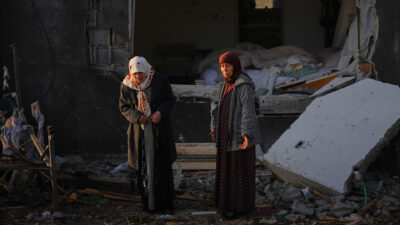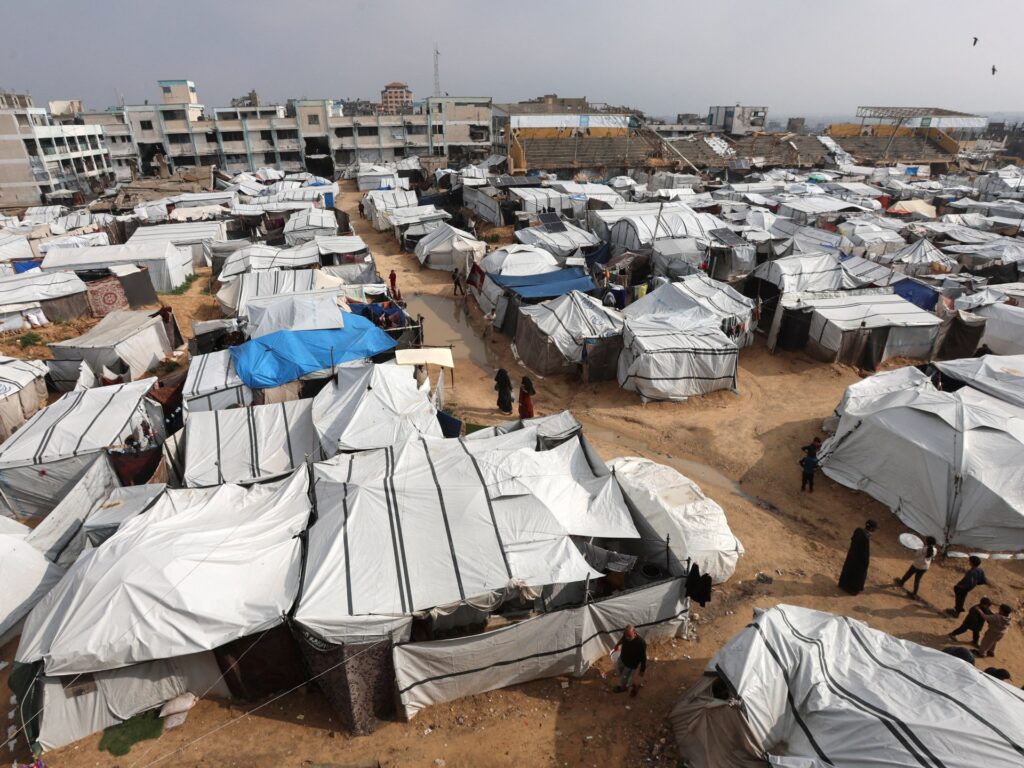
Since the start of the Iran war, the situation in Gaza and the West Bank has remained tense and volatile, marked by significant developments affecting daily life and security in the region. Key among these developments is Israel’s decision to close the Rafah border crossing, a critical passageway primarily used by Palestinians to travel between Gaza and Egypt. This closure has further restricted movement, exacerbating humanitarian concerns and limiting access to essential supplies and medical aid for the people of Gaza.
In the occupied West Bank, violence has persisted, with Israeli settler attacks continuing despite international calls for restraint and peace. These attacks have contributed to heightened tensions and insecurity among Palestinian communities. The pattern of aggression includes property damage, physical assaults, and intimidation tactics that undermine the prospects for stability and peaceful coexistence.
The closure of the Rafah crossing aligns with Israel’s broader security measures in response to regional instability triggered by the Iran war. The conflict involving Iran has heightened fears of escalation among neighboring countries, prompting stringent border controls and military readiness. This intersection of regional warfare and localized conflict illustrates the complex dynamics impacting Gaza and the West Bank.
Humanitarian agencies have expressed deep concern about the implications of these developments. The blockage of the Rafah crossing restricts the delivery of medical supplies, food, and other critical aid, worsens the already dire conditions in Gaza, and limits the ability of residents to seek medical treatment abroad. Similarly, the ongoing settler violence in the West Bank threatens the safety of Palestinian civilians and fuels a cycle of retaliation and unrest.
The international community has urged all parties to exercise restraint and resume dialogue to prevent further escalation. Calls for reopening crossings like Rafah emphasize the need for humanitarian access and the importance of safeguarding civilian lives amid the broader geopolitical tensions.
Looking ahead, the situation remains fragile, with the potential for further deterioration if diplomatic solutions are not actively pursued. The convergence of the Iran war and the persistent conflict in the West Bank and Gaza underscores the urgent need for renewed efforts toward peace and stability in this historically troubled region.