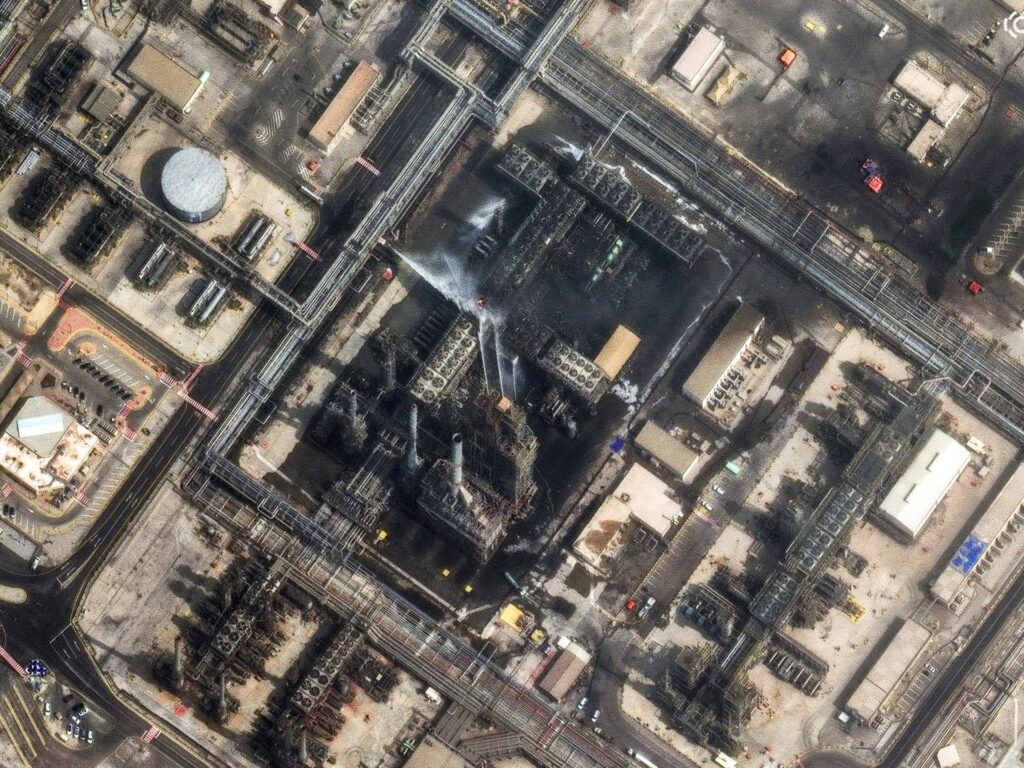
On the 14th day of intensified US-Israel military operations targeting Iran, the conflict has escalated with significant developments reported across the region. The situation continues to evolve rapidly, with both sides engaging in aggressive moves that have far-reaching implications for regional stability and global markets.
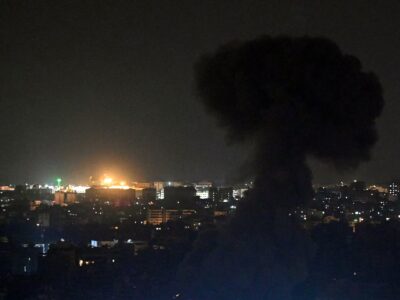
Israel launched a series of targeted strikes on Tehran, aiming to dismantle critical Iranian military infrastructure. These attacks represent some of the most direct and concentrated actions against Iran’s capital in recent history. Israeli officials claim these operations are in response to perceived threats emanating from Iran’s support for militant groups and its nuclear ambitions.
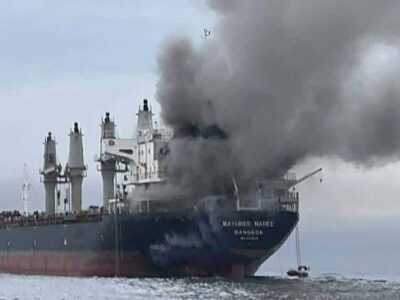
In retaliation, Iran has carried out counterstrikes in the Gulf region, targeting US and allied positions. These retaliatory strikes mark a dangerous escalation, signaling Tehran’s willingness to engage in open conflict beyond its borders. Iranian forces have also threatened to disrupt key shipping lanes, particularly around the strategic Strait of Hormuz, a vital chokepoint through which a significant portion of the world’s oil supply transits.
The disruption at the Strait of Hormuz has caused immediate ripple effects on global oil markets. Prices surged as traders reacted to the increased risk of supply interruptions. Energy analysts warn that prolonged instability in the Gulf could lead to sustained high oil prices, exacerbating economic pressures globally.
Diplomatic efforts to de-escalate the conflict have intensified, with several international actors urging restraint on all sides. However, the deep-rooted animosities and complex geopolitical stakes make a swift resolution unlikely. The US continues to support Israel’s right to defend itself, while simultaneously preparing for potential wider military engagements in the region.
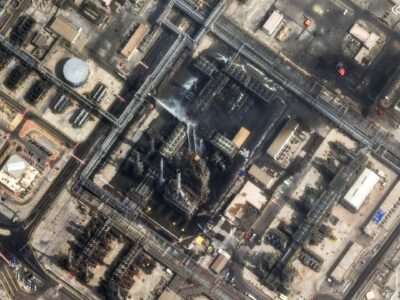
Regional governments are bracing for potential spillover effects, including the risk of proxy conflicts and refugee flows. The escalating violence also raises concerns about the security of critical infrastructure, including oil facilities and shipping routes.
Humanitarian groups warn of the growing civilian toll, with reports of casualties and displacement in affected areas. The international community has called for immediate cessation of hostilities to prevent further loss of life and destabilization.
As tensions mount, economic and security experts emphasize the need for coordinated international efforts to de-escalate the conflict and secure vital maritime routes. The coming days are critical in determining whether diplomacy can prevail or if the region will descend into a broader and more devastating war.