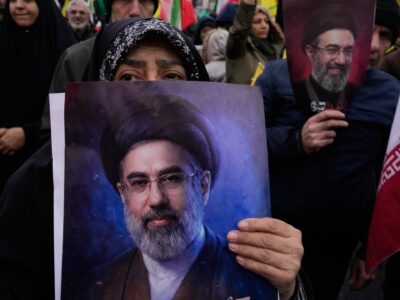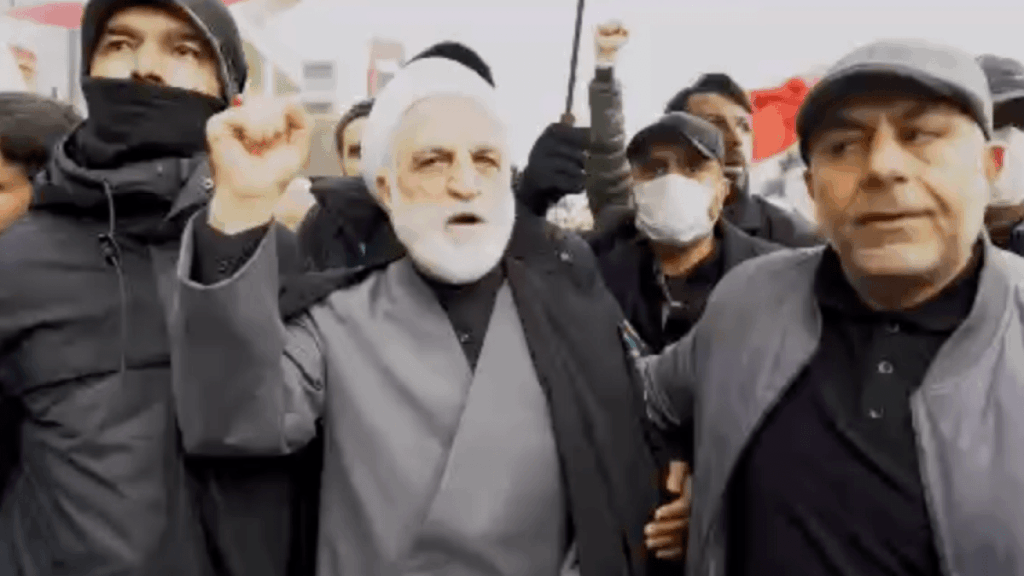
A significant air attack struck Tehran as Iran’s Chief Justice was giving a live interview at an al-Quds rally, raising serious concerns about security and stability in the region. The unexpected attack occurred amidst the heightened tensions surrounding the rally, which is an annual event held to express support for the Palestinian cause and opposition to Israeli control over Jerusalem.
The Chief Justice of Iran, a high-ranking official and a key figure in the country’s judiciary, was addressing the crowd live on television when the air attack unfolded. The timing of the attack appeared deliberate, aiming to disrupt the rally and send a powerful message to Iran’s leadership.
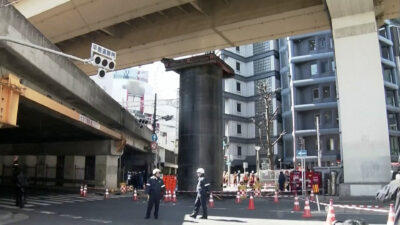
Details about the origin and the perpetrators of the air strike remain unclear, but such an incident marks a rare escalation in the volatile political landscape of the Middle East. Tehran, normally shielded by its formidable air defenses, showed vulnerabilities as missiles or drones managed to breach its airspace and strike within the capital city.
The attack resulted in significant damage to infrastructure and raised immediate security alarms. Emergency services rushed to the scene to provide assistance and assess the aftermath. Reports of casualties are still emerging, though official confirmations have yet to be released.
Analysts suggest that this assault could be linked to external forces opposed to Iran’s involvement in regional conflicts or its nuclear ambitions. The incident may also signal a new phase of proxy confrontations playing out within Iranian borders.
In response to the attack, Iranian officials condemned the act as aggression and vowed to enhance national security measures. The Chief Justice, continuing with his duties under challenging circumstances, emphasized the resilience of the Iranian people and the government’s commitment to justice and sovereignty.
The international community has reacted with concern, urging restraint and dialogue to prevent further escalation. The United Nations called for immediate investigations into the attack and for all parties to exercise caution.
This event underscores the fragile nature of peace in the Middle East, where political, ideological, and military conflicts frequently intersect. As Iran navigates its internal and external challenges, the world’s eyes remain on Tehran, watching closely for developments that might impact regional stability.
The al-Quds rally, a symbol of resistance and solidarity for many Iranians, has now been overshadowed by this violent episode. The attack during a live broadcast highlights the risks faced by public officials and citizens alike in a time of geopolitical strife.
Looking ahead, Tehran is expected to bolster its defense capabilities and possibly recalibrate its foreign policy to counteract threats more effectively. The resilience demonstrated by the Chief Justice and other officials may inspire a national spirit aimed at overcoming adversity.
In conclusion, the air attack during the Chief Justice’s live interview at the al-Quds rally represents a pivotal moment in Iran’s ongoing saga of conflict and resistance. The event has illuminated vulnerabilities, prompted international dialogue, and reinforced the urgency for peaceful resolutions in the region.