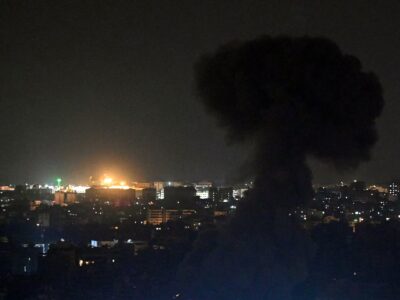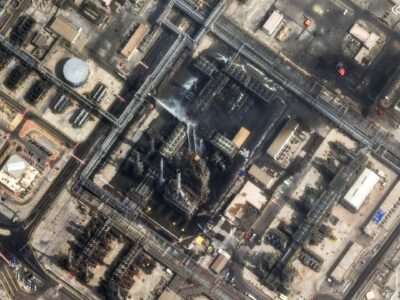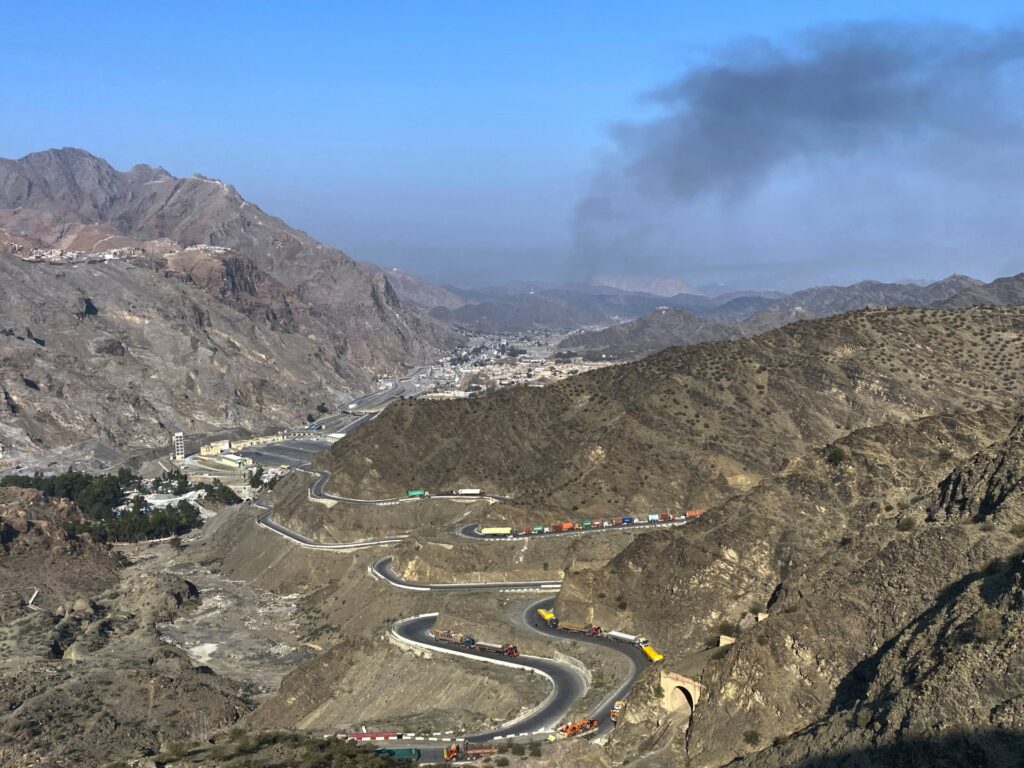
Tensions between Afghanistan and Pakistan have escalated following accusations from the Afghan authorities that Pakistan conducted air attacks targeting residential areas in the cities of Kabul and Kandahar. According to reports released by the Taliban, who currently govern Afghanistan, the airstrikes resulted in civilian casualties, including women and children.
The accusations highlight the fragile security situation in the region, where cross-border tensions have frequently disrupted peace and stability. The Taliban’s statements allege that the Pakistani air raids were deliberate, aimed at inflicting damage on Afghan civilians living in these major cities.
Kabul, the capital of Afghanistan, and Kandahar, one of its largest cities and a key strategic location, reportedly saw several homes hit during these air operations. The reports note that many families were caught unaware while going about their daily routines, suffering from the violence and destruction caused by the air attacks.
These developments contribute to long-standing hostilities between Afghanistan and Pakistan, which have historically involved disputes over border security and the harboring of militant groups. The accusations increase the risk of further deterioration in diplomatic relations between the two neighbors.
Human rights organizations and international observers often express concern over the impact of such conflicts on innocent civilians, particularly vulnerable groups like women and children. The latest reports underscore the urgency of establishing robust mechanisms to protect civilians and prevent escalation.
The Taliban have not released detailed information regarding the scale of the damage or exact casualty figures, but confirmed through multiple statements that the attacks led to tragic loss of life among non-combatants. This marks a serious humanitarian concern amid ongoing conflict in the region.
Pakistan’s government has yet to issue an official response to the allegations. Historically, Islamabad has denied involvement in cross-border attacks, often blaming insurgents crossing into Pakistan from Afghan territory.
The international community is closely monitoring the situation, urging both Afghanistan and Pakistan to engage in dialogue to de-escalate tensions. Regional stability depends heavily on improved bilateral relations and cooperation in combating extremism that affects both countries.
In the meantime, the affected families in Kabul and Kandahar face the challenge of recovering from the trauma and loss caused by these airstrikes. Humanitarian aid and support services are crucial to assist those displaced or injured in the attacks.
This incident highlights the fragile security dynamics in South Asia, where historical conflicts and mutual suspicions continue to hamper peace efforts. Effective communication and diplomatic engagement remain essential to preventing further violence and protecting civilian lives.
As the situation develops, further reports may provide more clarity on the impact of these airstrikes and the response of the international community. The urgent need for peace and stability in the region remains a top priority for all stakeholders involved.