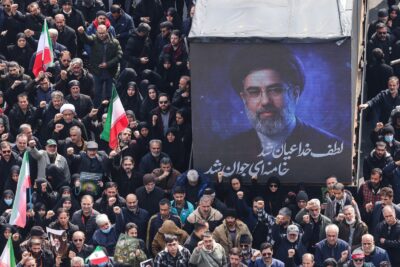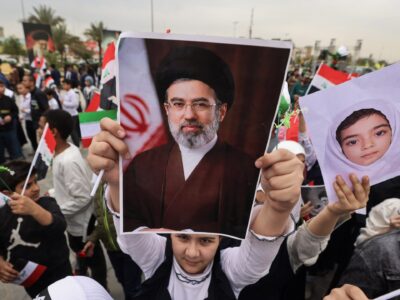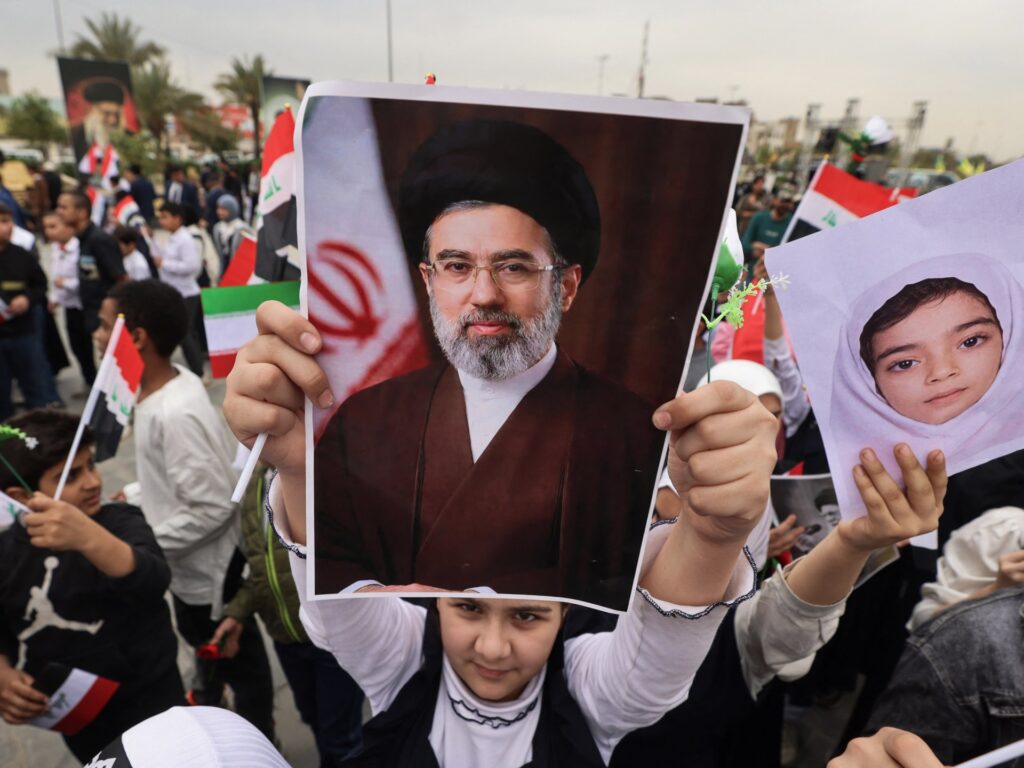
In a bold and confrontational statement, Iran’s newly appointed Supreme Leader Mojtaba Khamenei has delivered a message filled with both defiance and determination. Addressing the nation and the world, Khamenei pledged that Iran will continue its resistance and fighting against what he termed as foreign interference and aggression, particularly pointing to the United States.
Mojtaba Khamenei, who has recently succeeded in taking the helm of leadership in the Islamic Republic, has emphasized that Iran’s principles and national sovereignty are non-negotiable. His statement underscored a commitment to defend Iran’s interests at all costs and to maintain its stance against external pressures.
The speech was marked by a vigorous tone, reflecting the challenges Iran faces amid ongoing international tensions, sanctions, and geopolitical conflicts. The Supreme Leader’s remarks echoed a long-standing narrative within Iran’s political framework that frames resistance against Western influence as a core aspect of the nation’s identity and policymaking.
Khamenei’s announcement comes at a critical time when Iran’s relations with the United States and some Western countries remain fraught. His message serves as both a warning and a rallying cry for supporters within Iran to remain steadfast.
Observers note that the new Supreme Leader is aligning himself closely with the traditional hardline views held by previous leadership, reinforcing a path of resilience and defiance. The statement was also a clear indication that Iran does not intend to yield to external demands, particularly those emanating from Washington.
Analysts suggest that Mojtaba Khamenei’s leadership style and rhetoric will likely shape Iran’s domestic and foreign policies in the coming years. His focus appears to be on consolidating power internally while resisting what he sees as foreign attempts to undermine Iranian sovereignty.
The international community has been watching this transition with keen interest, given the potential implications for regional stability and global diplomacy. Iran’s steadfast position under its new Supreme Leader could affect ongoing negotiations, economic relations, and security dynamics in the Middle East.
Khamenei’s speech also highlighted the importance of unity among the Iranian people and a commitment to uphold the values of the Islamic Revolution. He called for increased vigilance and collective effort to counteract perceived threats and to support Iran’s strategic goals.
Despite facing significant economic challenges due to sanctions and political isolation, Mojtaba Khamenei’s message was one of hope for a future where Iran stands strong and independent. His defiant stance is set to define the country’s path forward, signaling a continuation of policies that resist external control and promote self-reliance.
In conclusion, the appointment of Mojtaba Khamenei as Iran’s Supreme Leader marks a significant moment in the country’s political trajectory. His combative declaration against the United States signals a continuation of a confrontational approach that prioritizes national sovereignty and resistance. As the world watches, Iran under Khamenei appears ready to defend its position firmly and continue its pursuit of its vision for the future.