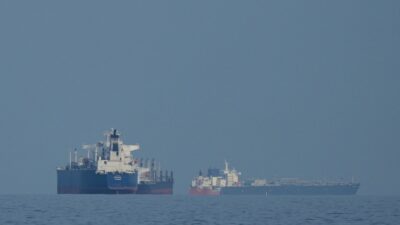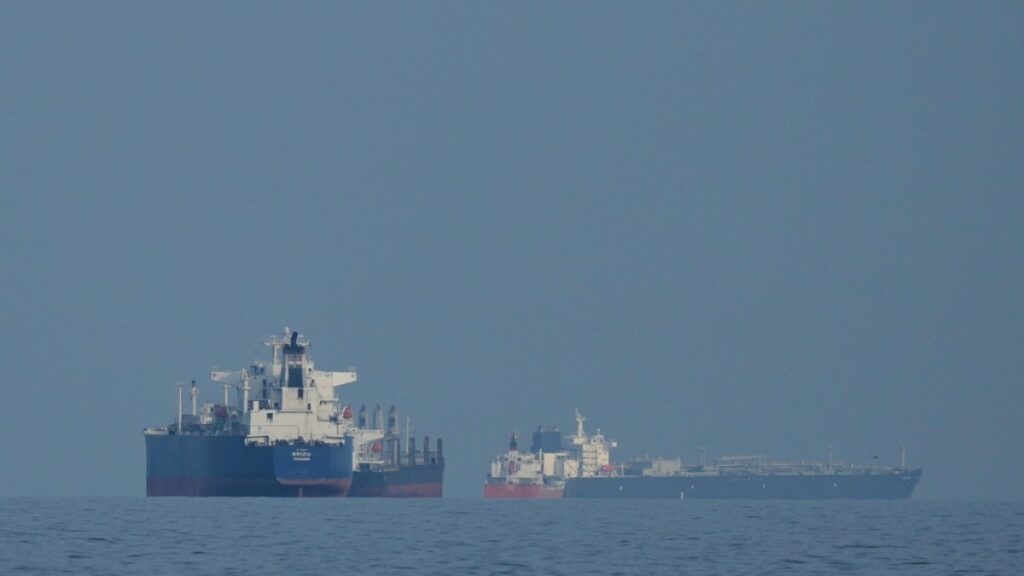
The United States military is currently not prepared to escort oil ships through the Strait of Hormuz, a critical waterway for global oil shipments, according to a senior official. The announcement comes amid escalating tensions in the region, particularly involving Iran’s stance on the strait’s status.
Mojtaba Khamenei, an influential Iranian figure, has asserted that the Strait of Hormuz should remain closed to foreign oil shipping. His remarks reflect Tehran’s ongoing position that the strait, a narrow passage connecting the Persian Gulf to the Arabian Sea, is vital to Iran’s strategic and economic interests.
The significance of the Strait of Hormuz cannot be overstated—it serves as a conduit for about 20% of the world’s petroleum shipments. Any disruption here has immediate repercussions on global oil prices and energy security.
Meanwhile, former US President Donald Trump has suggested that the United States benefits from higher oil prices, which has fueled debate over the motivations behind US foreign policies in the Middle East. Trump’s comments have raised questions about whether economic interests influence military and diplomatic actions in the region.
The US military’s admission of being unprepared to escort commercial vessels signals a cautious approach amid the ongoing geopolitical volatility. This stance may be influenced by the increasing risk of confrontation with Iranian forces, as well as the complexities associated with safeguarding oil shipments in contested waters.
Historically, the US has played a crucial role in maintaining the free flow of oil through the Strait of Hormuz, often deploying naval resources to deter threats from regional actors. However, shifting strategic priorities and budgetary constraints might be impacting operational readiness.
Iran has a history of threatening to close the strait, especially during periods of heightened tensions with the West. Such threats typically lead to fluctuations in global oil markets and prompt international concern over energy supply security.
Analysts warn that any attempt to close or disrupt traffic in the Strait of Hormuz could trigger a significant energy crisis, given the lack of viable alternative routes for Gulf oil exports. This potential scenario underscores the urgency for diplomatic efforts to maintain peace and stability in the region.
Furthermore, the military’s current state calls for renewed collaboration between the US and its allies to ensure safe passage for commercial vessels. This might involve joint maritime patrols, enhanced intelligence sharing, and diplomatic initiatives aimed at de-escalating tensions.
Energy experts also highlight the need for diversification of energy sources and transportation routes to reduce the global economy’s vulnerability to regional conflicts.
The situation around the Strait of Hormuz exemplifies the interconnectedness of geopolitics and economics, where military preparedness, diplomatic dialogue, and economic interests converge.
In conclusion, the US military’s admission of being unready to escort oil shipments through the Strait of Hormuz amid Iranian threats marks a pivotal moment in regional security dynamics. It emphasizes the importance of strategic planning, international cooperation, and sustained efforts to avoid escalation that could disrupt the global energy supply chain.