Southeast Asia is facing significant disruptions as countries in the region respond to a deepening oil crisis with drastic measures. Nations such as Indonesia and Vietnam, which heavily depend on fuel imports and possess limited energy reserves, have announced the closure of offices and restrictions on travel to mitigate the impact of the energy shortfall.
The crisis stems from rising global oil prices and supply chain disruptions, which have severely strained the energy supplies of oil-import-dependent countries. Southeast Asia, a region marked by rapid economic growth and increasing energy demands, is particularly vulnerable to fluctuations in the global oil market.
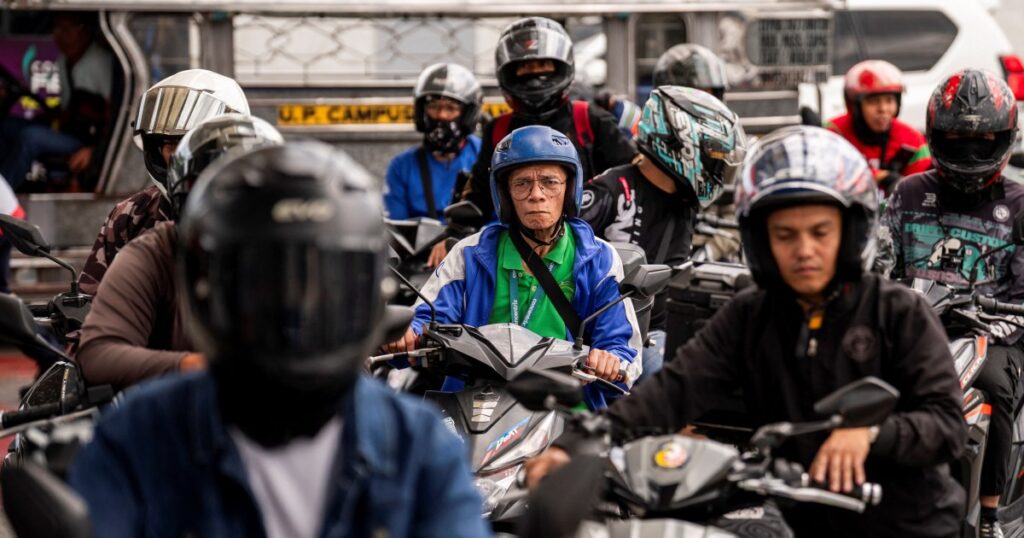
Indonesia, the largest economy in Southeast Asia, has taken stringent steps including the shutdown of non-essential government offices and private sectors to conserve fuel. The government has also urged companies to implement flexible working arrangements to reduce the need for commuting.
Similarly, Vietnam has restricted travel and imposed fuel rationing in certain regions to manage consumption and stabilize the energy supply. The government is prioritizing fuel allocation to critical sectors such as healthcare, transportation, and essential manufacturing to ensure minimum disruption to daily life.
The oil crisis has sparked concerns over economic slowdown and inflation, as fuel accounts for a significant portion of operational costs across industries. Southeast Asian countries are also exploring alternative energy sources and accelerating investments in renewable energy projects to reduce dependence on imported oil.
Experts warn that until global oil supply stabilizes, the region may face prolonged energy challenges. The current measures, while disruptive, are seen as necessary to safeguard essential services and maintain economic stability.
In response to the crisis, regional cooperation among ASEAN countries is intensifying, focusing on joint strategies for energy security and crisis management. The oil shortages highlight the urgent need for Southeast Asia to diversify its energy mix and strengthen its energy infrastructure for greater resilience against future shocks.
As the world watches, Southeast Asia’s approach to this crisis will test the region’s ability to adapt and sustain its development trajectory amid global uncertainties. Policymakers emphasize the importance of balancing immediate crisis management with long-term energy reforms to secure a stable and sustainable energy future for the region.