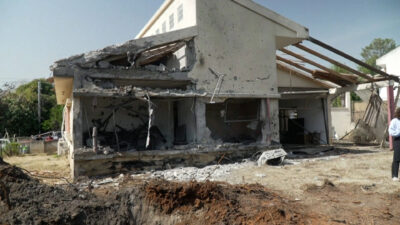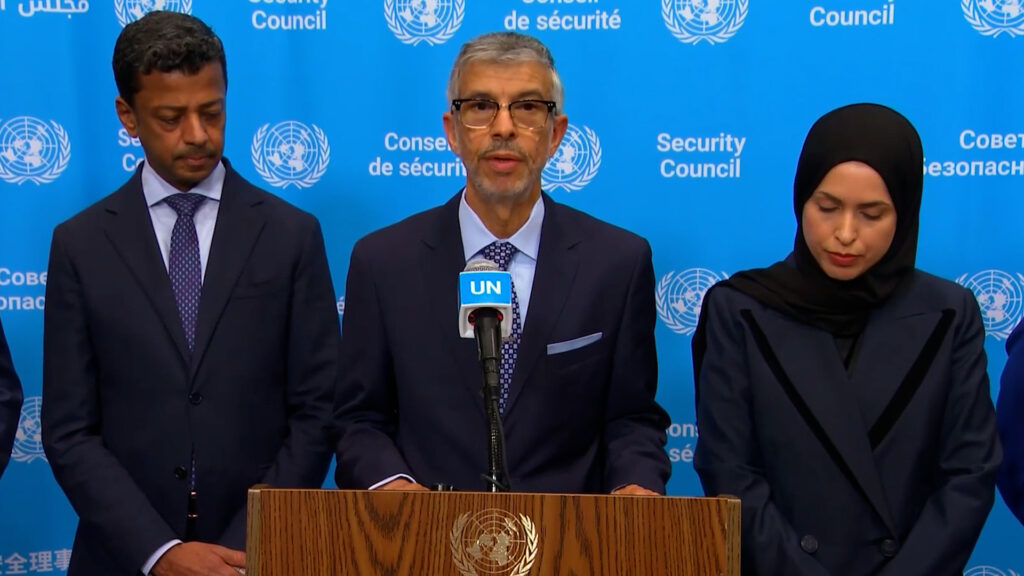
In a significant diplomatic move, Saudi Arabia and the United Arab Emirates (UAE) have jointly condemned recent Iranian attacks, signaling heightened tensions in the Gulf region. The ambassadors of both nations to the United Nations delivered stark remarks criticizing Iran’s aggressive actions just before a crucial meeting of the UN Security Council.
The condemnation comes amid escalating conflicts and a rise in hostile activities involving Iran, which have drawn international concern. Saudi Arabia and the UAE, two key Gulf states, emphasized that Iran’s attacks undermine regional stability and threaten global peace.
The ambassadors urged the Security Council to take decisive action to address the threat posed by Iran’s military conduct. Their statements painted a picture of a dangerous escalation that could destabilize not only the Gulf region but also affect broader international security.
Saudi Arabia has long accused Iran of supporting proxy groups and engaging in aggressive maneuvers in the Middle East. The UAE, sharing a similar stance, has also experienced security threats attributed to Iranian actions. Both nations reiterated their commitment to protecting their sovereignty and promoting peace in the region.
The UN Security Council meeting serves as a platform for member states to discuss the implications of Iran’s aggressive behavior and explore ways to curb further escalation. The joint condemnation by Saudi Arabia and the UAE highlights a rare moment of coordinate diplomatic pressure against Tehran.
Analysts suggest that this unified front might influence the Security Council’s approach towards Iran, possibly leading to stronger sanctions or diplomatic measures. The international community closely watches the developments, hoping for a de-escalation but preparing for continued friction.
The ambassadors called for a renewed focus on diplomacy, urging Iran to engage constructively and respect international laws. They insisted that unchecked aggression could lead to widespread instability and conflict beyond the Gulf countries.
In response, Iran has typically denied such accusations, often asserting its right to self-defense and regional influence. However, the mounting pressure from Saudi Arabia, the UAE, and their allies could mark a turning point in how the global community addresses security issues related to Iran.
This condemnation reflects broad regional concerns about Iran’s intentions and the impact of its military strategies. As tensions remain high, the UN Security Council’s subsequent actions will be critical in shaping the future of peace and security in the Middle East.