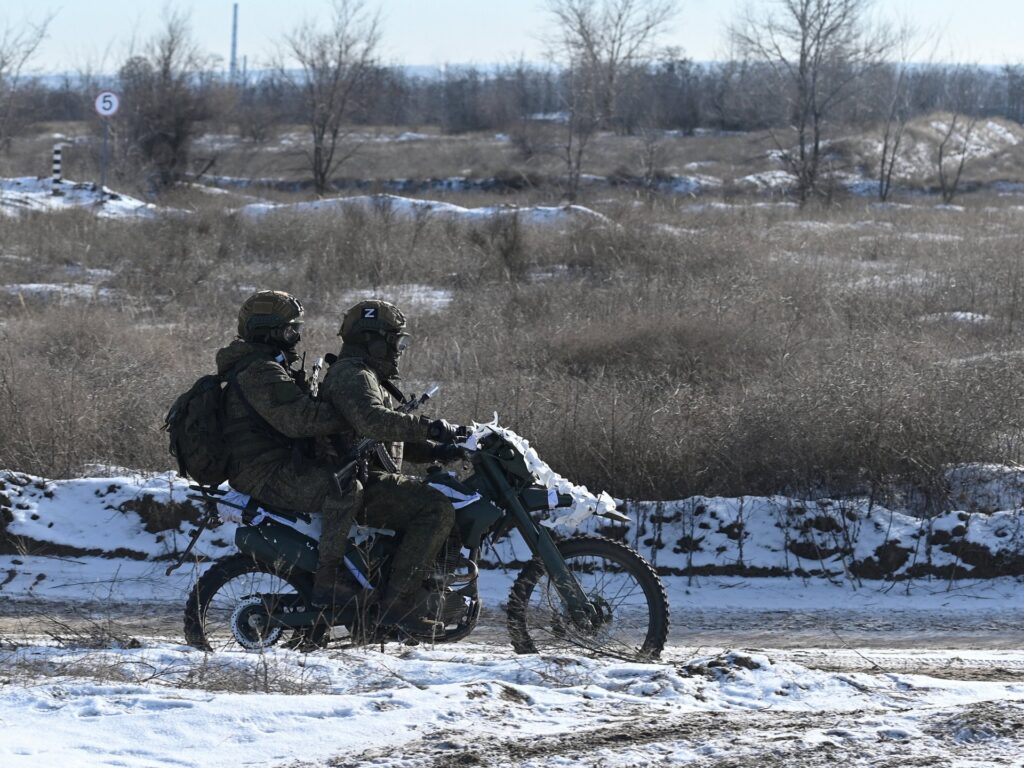
As the conflict in Ukraine continues into another year, a significant yet often overlooked issue has emerged among troops on both sides. Reports indicate that drug use has become rampant among Russian soldiers stationed on the front lines.
The ongoing war has taken a severe toll on the physical and mental well-being of combatants, contributing to the escalation of substance abuse. Russian troops, facing relentless combat stress, exhaustion, and harsh conditions, have increasingly turned to psychoactive substances and stimulants to cope with the demands of warfare.
Experts suggest that this trend is fueled by a combination of factors: prolonged exposure to high-risk environments, limited access to medical and psychological support, and the necessity to maintain alertness during extended combat operations. Drugs reportedly used include amphetamines and other stimulants intended to boost energy and suppress fatigue, but which also carry significant risks of addiction and impaired judgment.
This development has alarming implications for troop morale, discipline, and overall combat performance. Substance abuse could undermine the operational effectiveness of Russian forces, leading to increased incidents of misconduct, decreased operational safety, and further psychological deterioration among soldiers.
The crisis is mirrored on the Ukrainian side, where some troops also resort to drug use as a coping mechanism amid the stresses of war. However, the scale and nature of substance abuse appear more pronounced among Russian ranks according to multiple intelligence and eyewitness reports.
Military analysts warn that addressing the drug epidemic within the military requires urgent attention from defense leadership for both nations. This includes better access to mental health services, strict enforcement of drug regulations, and efforts to reduce combat stress through rotation and support systems.
The human cost of the war extends beyond battlefield casualties; the silent epidemic of drug use among soldiers highlights the profound psychological scars inflicted by prolonged conflict. As both sides continue to endure the hardships of war, tackling this hidden crisis is vital for future peace and stability in the region.