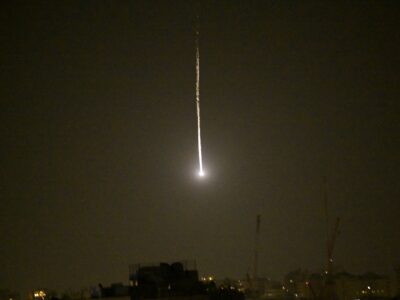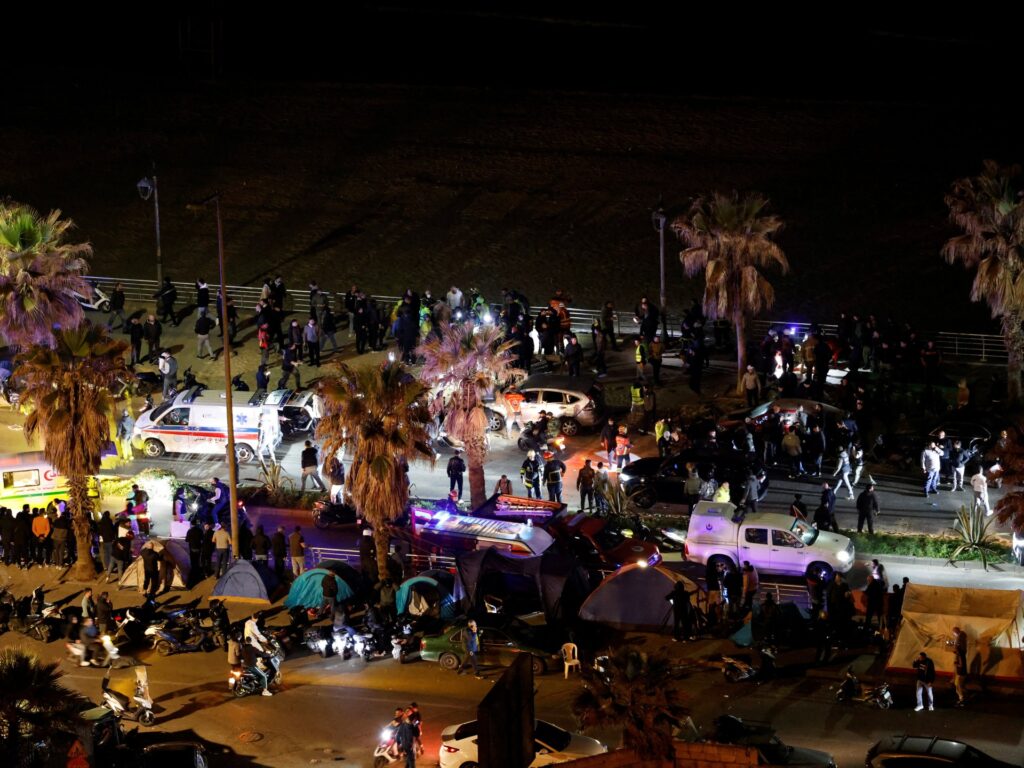
A recent Israeli ‘double-tap strike’ on the Beirut seafront has resulted in the deaths of eight displaced individuals, marking a grim escalation in the ongoing conflict in the region. This strike, believed to be another assassination attempt by Israel, has targeted areas not traditionally associated with such attacks, raising concerns about the expansion of conflict zones and increasing civilian casualties.
The term ‘double-tap strike’ refers to a military tactic where an initial attack is followed by a secondary strike aimed at hitting rescuers or first responders attending to the victims of the first attack. This tactic is particularly devastating, as it increases the death toll and sows terror among civilians and aid workers.
The Beirut seafront, known for its dense civilian population and displaced persons, suffered the brunt of this recent assault. Reports confirm that eight people were killed, many of whom were displaced families seeking refuge from other conflict-ridden areas. This attack highlights a troubling trend where safe havens for displaced individuals are no longer secure.
Traditionally, Israeli strikes in Lebanon have targeted militant groups and infrastructure associated with Hezbollah and other factions. However, this attack’s location and timing suggest a broader operational scope, possibly aimed at disrupting the social fabric and instilling fear among the Lebanese population.
Human rights organizations have condemned the strike as a blatant violation of international laws protecting civilians during armed conflict. They argue that the use of double-tap strikes in civilian areas constitutes a war crime, emphasizing the need for international investigations and accountability.
The Lebanese government has expressed outrage and vowed to take the issue to international forums, seeking justice and protection for its citizens. Diplomatic efforts are underway to de-escalate tensions and prevent further attacks that could destabilize the already fragile region.
This incident comes amid heightened tensions between Israel and Lebanon, fueled by ongoing conflicts and mutual accusations of aggression. The international community has called for restraint and dialogue to avoid a full-scale escalation.
The Beirut seafront attack serves as a stark reminder of the human cost of the conflict and the urgent need for a peaceful resolution. It underscores the vulnerability of displaced populations who often bear the brunt of such violence without adequate protection.
As investigations continue, there is a growing call for enhanced mechanisms to protect civilians in conflict zones and ensure compliance with international humanitarian law. The situation remains volatile, with potential ramifications for regional stability and global peace efforts.
In summary, the Israeli ‘double-tap strike’ on the Beirut seafront marks a disturbing development in regional hostilities, resulting in tragic civilian casualties and highlighting the complex challenges of protecting vulnerable populations amidst ongoing conflict.