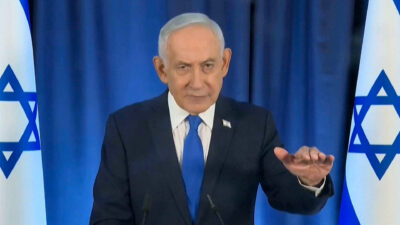
The ongoing conflict in the Middle East has escalated, with recent developments highlighting increased military activity and civilian casualties. Former U.S. President Donald Trump has commented on the situation, stating that the war is going “well,” a statement that has drawn significant attention amid the crisis.
The Gulf region is currently experiencing a wave of attacks, contributing to heightened tensions and instability. Multiple incidents of aggression have been reported, affecting both military targets and civilian areas. These attacks are part of the broader conflict involving Iran and its regional influence.
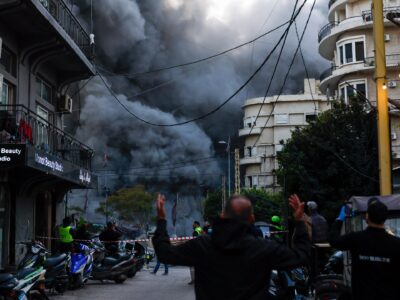
In Lebanon, Israeli strikes have resulted in the deaths of dozens of people. Among the casualties are five children who were killed in a targeted attack on the village of Arki. In total, nine individuals lost their lives in this particular assault, marking a tragic escalation in the violence affecting Lebanese communities.
The situation remains volatile, with humanitarian concerns growing as the conflict continues to unfold. International observers and organizations are calling for de-escalation and greater efforts to protect civilian populations caught in the crossfire.
Recent attacks in the Gulf and Lebanon underscore the complex dynamics of the Iran war and its regional impact. The involvement of various state and non-state actors has complicated peace efforts, leading to a protracted and multifaceted conflict.
Trump’s remarks about the war, made amidst these developments, have sparked debate regarding U.S. policy and the future direction of involvement in Middle Eastern affairs. Some view his comments as indicative of a particular stance on military engagement, while others criticize the tone as insensitive given the civilian toll.
The Lebanese strikes have drawn widespread condemnation due to the high number of civilian casualties, including children. Human rights groups have called for investigations into the legality of the airstrikes and for accountability for those responsible.
As the conflict persists, humanitarian aid agencies are struggling to deliver assistance to affected areas. Infrastructure damage and security concerns are hampering relief operations, exacerbating the plight of displaced and vulnerable populations.
Analysts warn that without a concerted diplomatic effort, the region risks descending further into chaos. The interconnected nature of the Gulf attacks and the Lebanese strikes reflects broader geopolitical rivalries, particularly involving Iran, Israel, and their respective allies.
Calls for ceasefires and negotiations have been made by various international leaders, urging restraint and dialogue to prevent further escalation. The United Nations and other bodies continue to monitor the situation closely.
The lives lost in Lebanon, especially the children, highlight the profound human cost of the conflict. Local communities are mourning while coping with destruction and fear, underscoring the urgent need for peace and stability.
The Gulf region’s security remains precarious with ongoing threats and occasional skirmishes reported. The complex alliances and hostilities make the path to resolution challenging but necessary.
In summary, the Iran war is marked by deadly hostilities, tragic civilian casualties, and contested political narratives. As the Gulf endures attacks and Lebanon suffers from Israeli airstrikes, global attention is focused on efforts to mitigate violence and foster a sustainable resolution to the conflict.