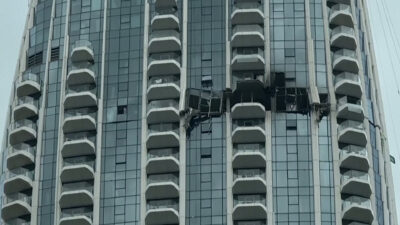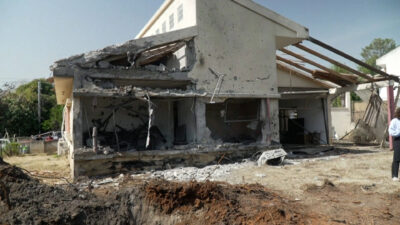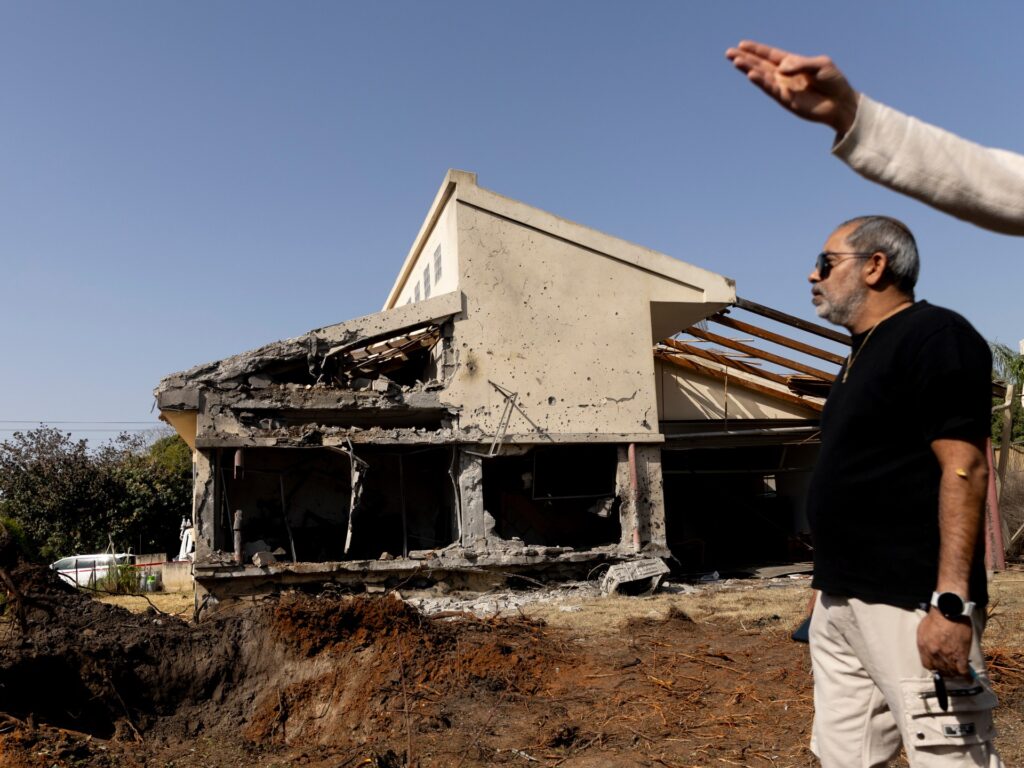
Tensions between Iran and Israel have escalated significantly, with Iran declaring it is targeting Israeli military bases while accusing Israel of launching attacks on hospitals. This exchange has occurred against the backdrop of heightened military activity and regional instability.
Earlier, missile alert alarms sounded throughout Jerusalem, causing widespread alarm among residents. The Israeli military confirmed that it had initiated another round of what it termed “wide-scale” strikes, intensifying the military confrontation.
Iran’s position was made clear through official statements condemning Israel for allegedly targeting medical facilities, a move Iran describes as a violation of international law and humanitarian principles. These accusations underscore the deepening hostility and the severe humanitarian consequences of the ongoing conflict.
On the Israeli side, the military’s declaration of wide-scale strikes signifies a robust response to perceived threats from Iranian-backed groups. The strikes aim to dismantle military capabilities and prevent further attacks on Israeli territory.
The missile alarms in Jerusalem signal the heightened tension and readiness for potential escalation, affecting civilians’ sense of security profoundly. Emergency protocols were activated, with residents taking immediate shelter during the alert.
This latest development adds to an already complex security situation in the Middle East, where proxy confrontations between Iran and Israel often result in broader regional implications. The cycle of attacks and counterattacks threatens to destabilize the region further.
International actors have expressed concern about the situation, urging restraint from both parties to avoid a full-scale conflict. The accusations by Iran about targeting hospitals have drawn particular criticism, highlighting the need for respect for humanitarian zones during hostilities.
The Israeli government emphasizes its commitment to national security and the protection of its citizens. It portrays its military actions as defensive measures necessary to counteract threats posed by Iranian proxies, which it claims are responsible for ongoing hostile activities.
Human rights organizations have called for impartial investigations into the allegations of hospital targeting, stressing the importance of safeguarding civilian infrastructure in conflict zones.
The current exchanges of hostilities are part of a longstanding pattern of tension between Iran and Israel, with both nations often engaging in indirect confrontations via allied groups and proxy forces across the region.
Experts warn that without diplomatic intervention, the risk of escalation remains high, potentially drawing in other regional and international actors and exacerbating an already volatile security environment.
Civilians in affected areas bear the brunt of the conflict, facing dangers from missile strikes, disruptions to essential services, and the psychological impact of constant threat.
Efforts to mediate and de-escalate the conflict continue but have yet to yield a breakthrough. Both sides maintain hardline stances, underscoring the complexity of achieving peace.
As the situation develops, the international community watches closely, recognizing that developments in this conflict could have far-reaching consequences beyond the immediate region.
In summary, the recent escalation between Iran and Israel has manifested in missile alerts and wide-scale military strikes, with serious accusations of targeting hospitals adding to the humanitarian concerns. The situation remains fluid, with significant implications for regional stability and international diplomacy.