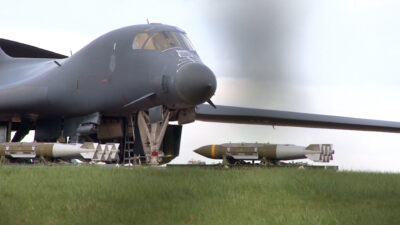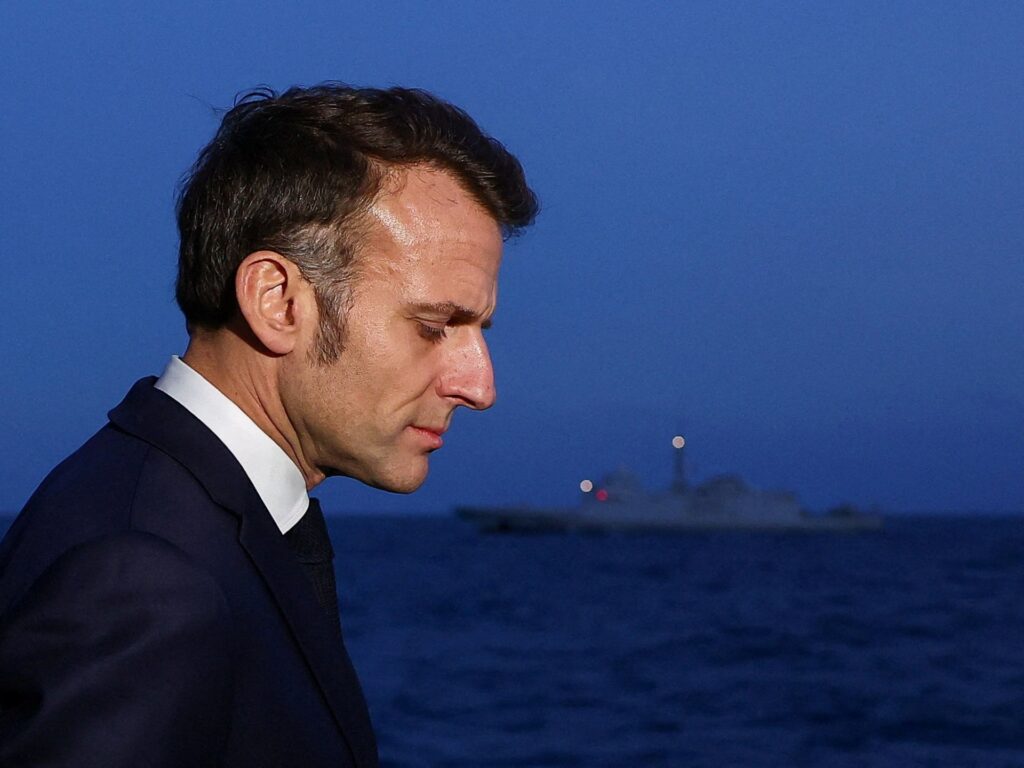
Amid escalating tensions and military actions involving the US and Israel targeting Iran, France under President Emmanuel Macron is walking a diplomatic tightrope. The situation has intensified fears of a broader conflict in the Middle East, with significant implications for global security and diplomacy.
President Macron has been vocal in his criticism of the onslaught, questioning not only the strategic rationale but also the legality of the military actions being taken. This stance reflects France’s often independent approach to international conflicts, balancing condemnation of violence with cautious diplomacy.
Despite his criticisms, Macron has nonetheless placed significant blame on Iran, describing Tehran’s actions and policies as contributory factors to the current crisis. This nuanced position highlights France’s attempt to maintain a workable diplomatic relationship with all parties involved.
The French government is particularly concerned about the humanitarian consequences of the escalating war, urging all sides to avoid actions that may lead to extensive civilian casualties and suffering. Macron’s statements underscore a broader European anxiety about the spillover effects that any prolonged conflict could have.
France’s diplomatic stance involves calling for de-escalation and dialogue, advocating for international law and the respect of sovereign borders while navigating the complex alliances and enmities inherent in the region. This approach is indicative of France’s traditional role as a mediator in international affairs, striving to uphold peace and stability.
Analysts observe that Macron’s delicate balancing act is also influenced by France’s strategic interests, including counter-terrorism cooperation, energy security, and maintaining influence in Middle Eastern geopolitics. The ongoing conflict tests France’s ability to assert its voice among powerful global actors and regional stakeholders.
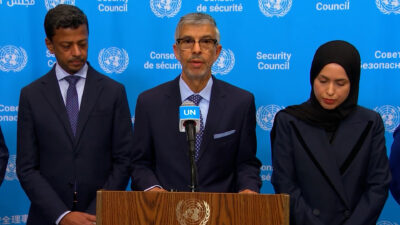
The broader context includes heightened US military involvement and Israel’s vigorous stance against perceived threats from Iran’s nuclear program and regional proxy groups. France’s position is critical as Europe grapples with the ramifications of potential wider conflict and the challenges of aligning diverse political perspectives within international bodies like the United Nations.
Overall, France’s navigation through this crisis illustrates the complexities of modern diplomacy where ethical concerns, national interest, alliance commitments, and global peace efforts intersect. The coming weeks will be crucial in determining whether France can effectively contribute to a resolution or if the conflict on Iran will deepen with far-reaching consequences.