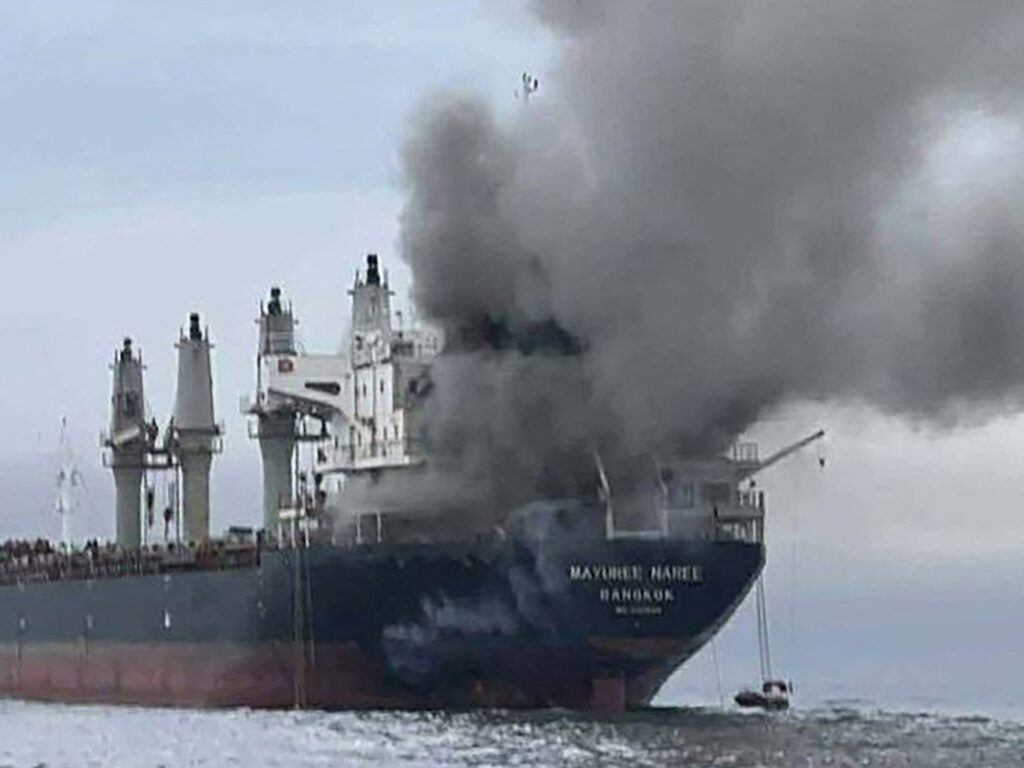
Recent maritime incidents have raised concerns about increased use of unmanned and explosive devices at sea, particularly in the strategically sensitive waters of Iraq. Reports indicate that five vessels have been attacked, including two oil tankers, by explosive-laden boats suspected to be Iranian drone boats or unmanned surface vessels (USVs). The attacks, which took place in Iraqi waters, underscore the escalating threats to maritime security in the region.
The use of drone boats by Iran marks a significant development in maritime tactics, combining the stealth and remote operation capabilities of unmanned technology with the destructive potential of sea mines and explosive devices. These drone boats may be equipped to carry out attacks autonomously or via remote control, allowing for precision targeting while minimizing risk to personnel.
Two oil tankers were specifically cited among the attacked vessels, highlighting the vulnerability of critical energy infrastructure to such asymmetric threats. The use of explosive-laden boats suggests a deliberate tactic to disrupt commercial shipping lanes and exert influence over the region’s oil supply routes.
Experts warn that the deployment of unmanned surface vessels armed with explosives could complicate traditional naval defense measures, as their small size and remote-operability make them difficult to detect and neutralize. This emerging threat necessitates advances in maritime surveillance, interdiction, and counter-drone technology.
Maritime authorities in Iraq and regional partners are reportedly increasing patrols and security measures to counteract these threats. International cooperation and intelligence sharing are critical components to identify and mitigate the risks posed by such attacks.
The geopolitical tensions surrounding the Persian Gulf and adjacent waters, coupled with Iran’s demonstrated capability and willingness to leverage unmanned maritime technology, contribute to a charged security environment. The attacks on these vessels not only pose risks to shipping and energy supplies but also signal a broader strategic message about regional power dynamics.
In response, stakeholders are calling for enhanced naval readiness and coordinated strategic efforts to deter further attacks and maintain safe navigation through vital waterways. The incidents serve as a reminder of the evolving nature of maritime threats and the importance of adapting defense strategies to meet new challenges posed by unmanned and explosive maritime technology.