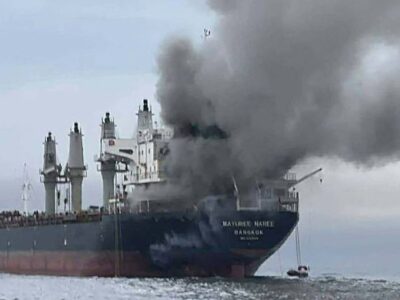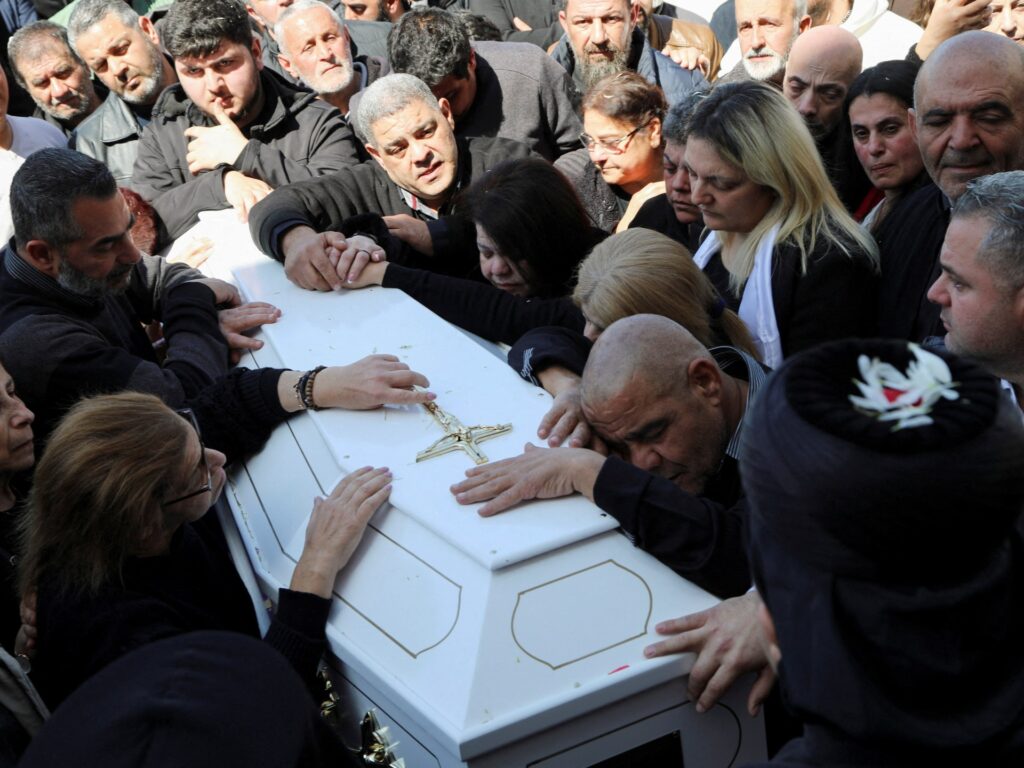
The ongoing conflict in the Middle East has seen a significant escalation as two oil tankers were hit in Iraq, further intensifying regional tensions. Concurrently, Israeli forces have carried out airstrikes targeting locations in Beirut, Lebanon, marking a dramatic increase in military actions.
In the midst of this turmoil, Iran has publicly articulated a set of demands aimed at ending the war. Tehran insists on the international recognition of its rights, which it views as non-negotiable for any progress toward peace. Additionally, Iran is calling for war reparations, holding responsible parties accountable for the damage and suffering caused during the conflict.
Perhaps most notably, Iran requires guarantees against future aggression. This includes formal agreements or security assurances that would prevent further military actions against Iranian interests and allies, a move likely intended to safeguard its regional influence and national security.
The incident involving the oil tankers in Iraq has not only disrupted critical energy supplies but also heightened fears of wider economic repercussions. Oil routes through the region are vital to global markets, and any threat to their security reverberates with international concern.
Israeli strikes on Beirut have added a complex layer to an already volatile situation, as Lebanon is traditionally a stronghold for groups opposed to Israel, notably Hezbollah. These attacks risk drawing Lebanon deeper into the conflict and potentially ignite broader confrontations.
The demands made by Iran highlight the deep-rooted issues underpinning the war, reflecting a combination of strategic, political, and nationalist imperatives. Recognition of rights likely pertains to Iran’s desire for acknowledgment of its sovereignty and regional role. Reparations underscore the cost of the conflict and a push for compensation. Guarantees against aggression serve as an attempt to secure a durable peace framework but may be contentious given the surrounding geopolitical rivalries.
Current diplomatic efforts are focused on de-escalation, but the complex web of alliances and hostilities in the region complicates peace negotiations. International actors are closely monitoring the developments, with calls for restraint from various governments and organizations.
As the situation evolves, the international community faces the challenge of balancing support for sovereign rights and security with efforts to prevent further violence and instability. The strikes, attacks, and demands collectively paint a picture of a region on edge, where the stakes of war and peace are exceedingly high.
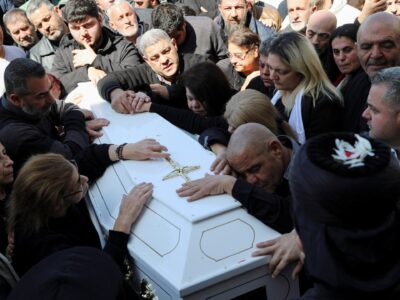
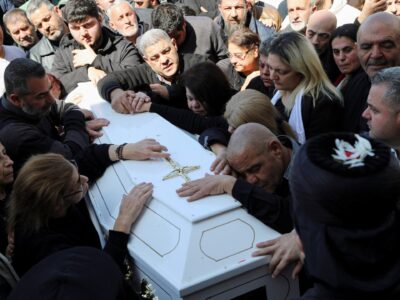
The coming days will be crucial in determining whether diplomatic channels can address the grievances and requirements set forth by Iran, or if the conflict will spiral into wider confrontation involving neighboring countries and external powers. Meanwhile, civilians in the affected areas continue to bear the brunt of the conflict’s devastating impacts.
In summary, the recent attacks on oil tankers in Iraq and Israeli bombardment of Beirut have sharply escalated tensions in the Middle East. Iran’s demands for recognition, reparations, and security guarantees encapsulate the broader issues at the heart of this conflict, signaling a critical juncture in the region’s path toward either war or peace.