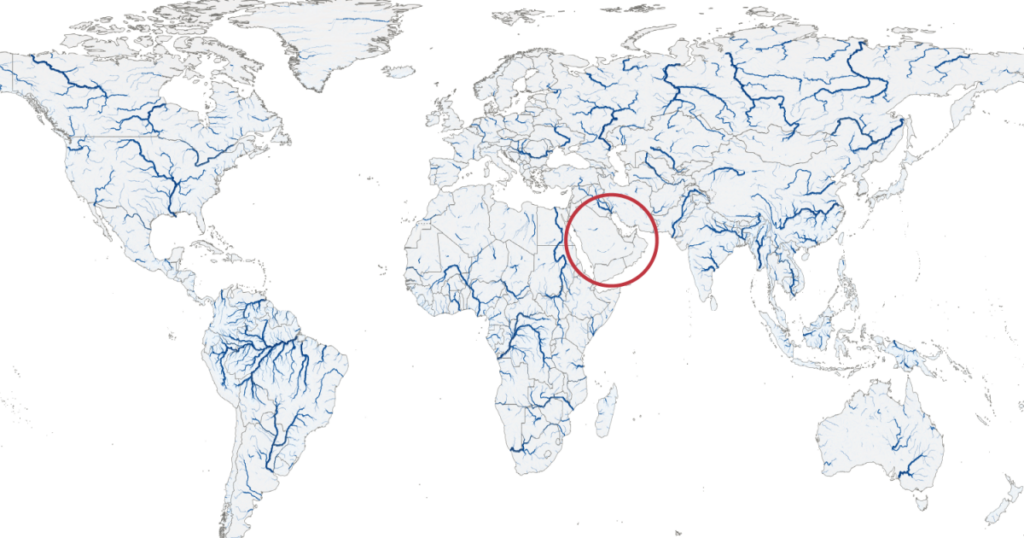
The Gulf region plays a crucial role in the global desalination industry, producing approximately 40 percent of the world’s total desalinated water. This impressive feat is achieved through more than 400 desalination plants spread across the Gulf states. These plants transform seawater into potable water, addressing the region’s water scarcity challenges.
Desalination has become an indispensable solution for the Gulf countries, where natural freshwater resources are limited. The process involves removing salt and other impurities from seawater, making it suitable for human consumption and agricultural use. Given the arid climate and increasing population, desalination has proven to be a sustainable alternative to traditional water sources.
The extensive network of desalination facilities in the Gulf not only supports the domestic water needs but also contributes significantly to industries and agriculture. The technology and scale of operations in these plants are continually advancing, ensuring greater efficiency and reduced environmental impact.
In summary, nearly half of the world’s desalinated water is produced in the Gulf, underscoring the region’s leadership in this critical water technology. As global water demand rises, the Gulf’s desalination infrastructure serves as a model for sustainable water management in arid regions worldwide.