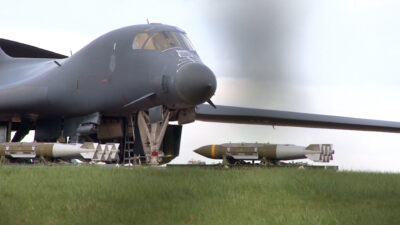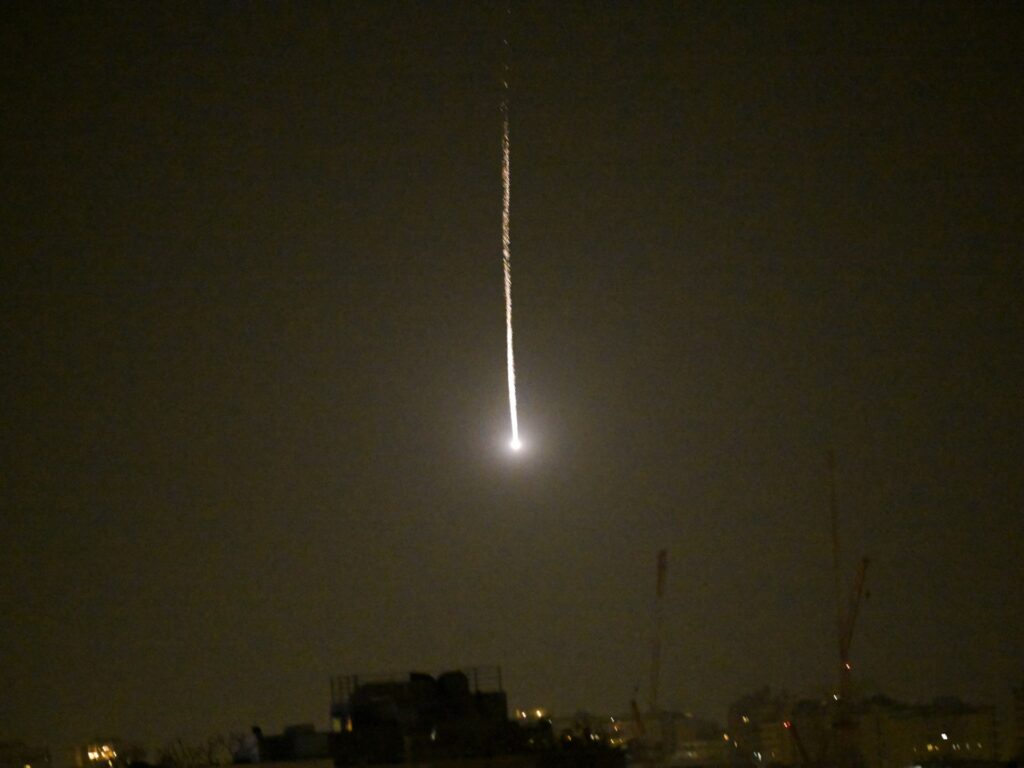
On the 13th day of ongoing attacks involving the US and Israel against Iran, the conflict is intensifying with significant developments both regionally and globally. Cyberattacks, maritime tensions in the strategic Strait of Hormuz, and fluctuations in global oil markets are marking this phase of the war.
The cyber warfare front has seen a notable increase in activity. Both sides have launched digital assaults aimed at crippling each other’s infrastructure and military capabilities. These cyberattacks are not only disrupting communications and logistics but are also raising alarms about potential spillovers that could affect civilian networks and global technology systems.
The Strait of Hormuz, a vital chokepoint through which a substantial portion of the world’s oil supply passes, has become a hotspot of military tension. Incidents involving naval forces, including confrontations and blockades, have threatened the free flow of oil tankers, escalating fears of a broader conflict that could disrupt global energy supplies indefinitely.
Consequently, global oil prices have surged sharply as markets react to the uncertainty and risks around supply chain stability. The tensions threaten to exacerbate inflationary pressures worldwide, impacting economies already struggling with recovery from the COVID-19 pandemic and other geopolitical issues.
Diplomatic efforts remain fragile as various international actors call for restraint while preparing for potential wider escalations. The situation underscores the interconnected nature of regional conflicts in the Middle East with global economic and security concerns.
As the war moves into its second week, the world watches closely, aware that continued escalation could have far-reaching consequences beyond the immediate conflict zone. Stakeholders emphasize the need for urgent dialogue to de-escalate tensions and avoid further destabilization of an already volatile region.