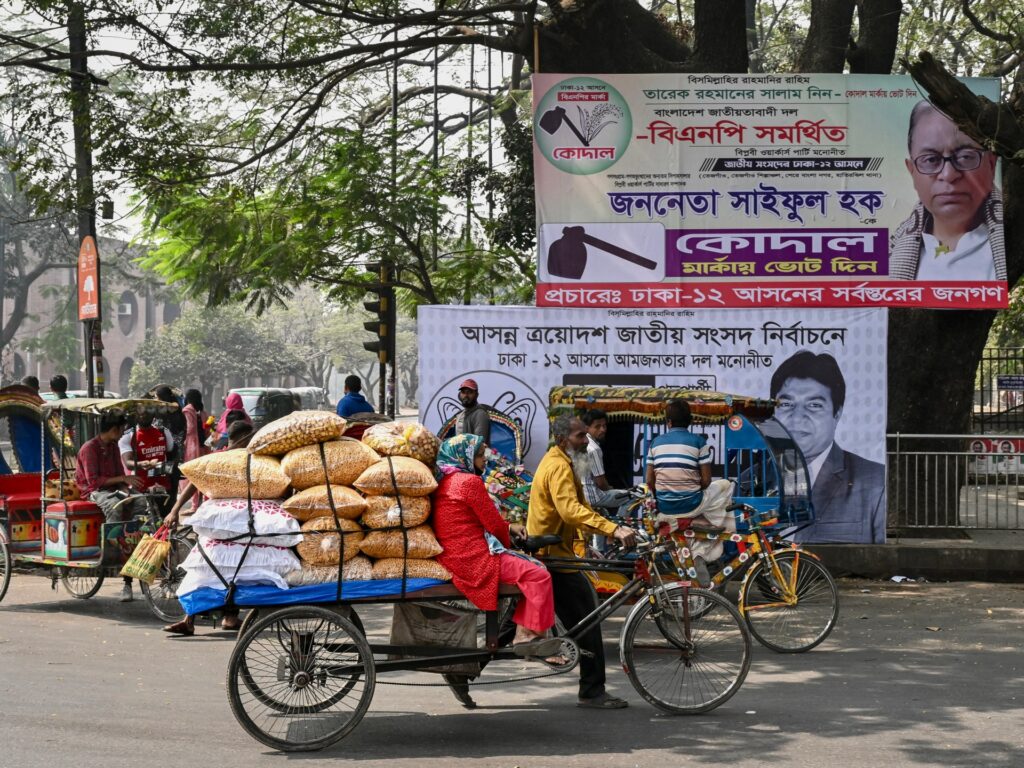
The Bangladesh Parliament recently convened for its first session following a significant period of political upheaval and a contentious electoral process. The elections, held amid nationwide unrest, resulted in the ascendancy of a new government led by Prime Minister Rahman. This new administration replaces the former ruling party, the Awami League, which had been at the helm of Bangladesh’s government for an extended period under Sheikh Hasina’s leadership.
Prime Minister Rahman, who emerged victorious from the elections, has publicly criticized Sheikh Hasina and her Awami League party. He accused them of deliberately undermining the previous parliamentary processes and weakening the democratic institutions of the country. According to Rahman, the previous government’s actions compromised the integrity of the parliament and contributed to political instability.
The change in government marks a pivotal moment in Bangladesh’s political landscape. The recent uprising, which voiced widespread discontent with the previous administration, set the stage for the elections that brought Rahman to power. These events have been a critical juncture in the country’s democratic evolution, revealing deep divisions within the political sphere.
Observers note that the new government faces a complex set of challenges. Rebuilding trust in governmental institutions and addressing the grievances that led to the uprising will be among the top priorities for PM Rahman’s administration. The parliament’s session aims to establish a framework for national reconciliation and promote a stable political environment.
Analysts emphasize the need for inclusive dialogue between all political factions to ensure long-term peace and progress. The new government must navigate these turbulent waters carefully, balancing the demands for reform with the necessity of maintaining order.
In summary, Bangladesh’s parliament has reassembled following a period marked by unrest and political transition. The election of PM Rahman symbolizes a shift from the Awami League’s extended governance under Sheikh Hasina. As the new leadership assumes control, the nation looks toward a future of potential stability and democratic strengthening amid ongoing challenges.