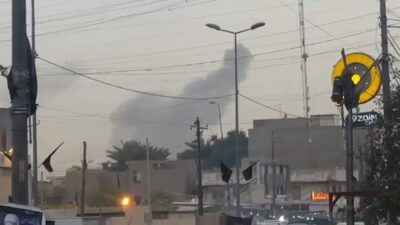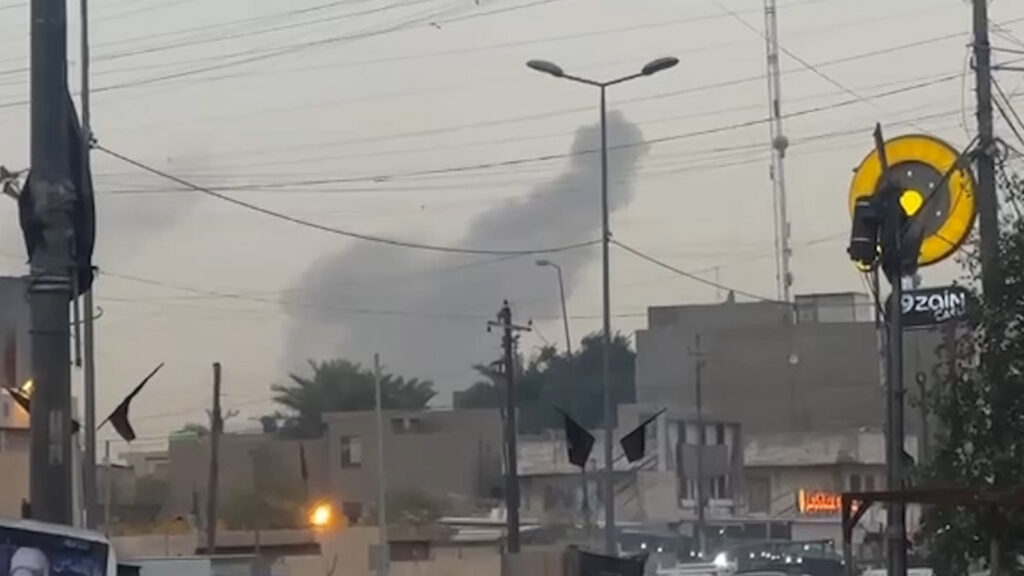
Recent air attacks have struck multiple military bases in Iraq associated with Iran-backed forces, escalating tensions in the region. These targeted assaults reportedly aimed at facilities used by militias and armed groups allied with Iran, who have a significant presence across Iraq. The attacks underscore ongoing conflicts involving regional powers and their proxies, reflecting broader geopolitical disputes.
The exact locations and extent of damage from the airstrikes remain unclear, but initial reports confirm that several bases have been hit. These Iran-backed factions are known for their involvement in Iraqi politics and security, often maintaining fortified positions for operations and logistics.
Such military actions contribute to the instability in Iraq, which continues to navigate internal complexities and external pressures. International responses to the air attacks have varied, with some condemning the strikes for violating Iraqi sovereignty, while others view them as necessary to curb the influence of militant groups.
The origins of the air raids have not been definitively confirmed, although speculation points toward regional or international actors aiming to weaken Iran’s proxies. This development follows a pattern of intermittent confrontations in Iraq, where various powers pursue strategic interests.
Iraq’s government faces mounting challenges in controlling the activities of Iran-backed militias, which operate with varying degrees of autonomy. The nation remains a focal point in Middle Eastern geopolitics, caught between competing influences from neighboring countries and global powers.
These attacks could have significant implications for Iraq’s security landscape, risking further escalation and complicating efforts toward national reconciliation and stability. The situation necessitates careful diplomatic engagement to prevent broader conflict and to support Iraq’s sovereignty.
As the situation evolves, monitoring the responses from all involved parties will be crucial. The international community’s role in mediating tensions and promoting dialogue could play a vital part in addressing the root causes of conflict involving Iran-backed groups in Iraq.
Overall, the air attacks mark a critical moment in the ongoing struggle for influence and control in Iraq. They highlight the fragile balance of power and the complex dynamics that continue to shape the country’s future.