A significant wave of protests and demands for accountability has emerged as reports reveal that US boat strikes in Latin America have resulted in the deaths of 157 individuals. Advocates and human rights organizations are urging a comprehensive investigation into these incidents, emphasizing the need for justice and transparency in the face of such grave allegations.
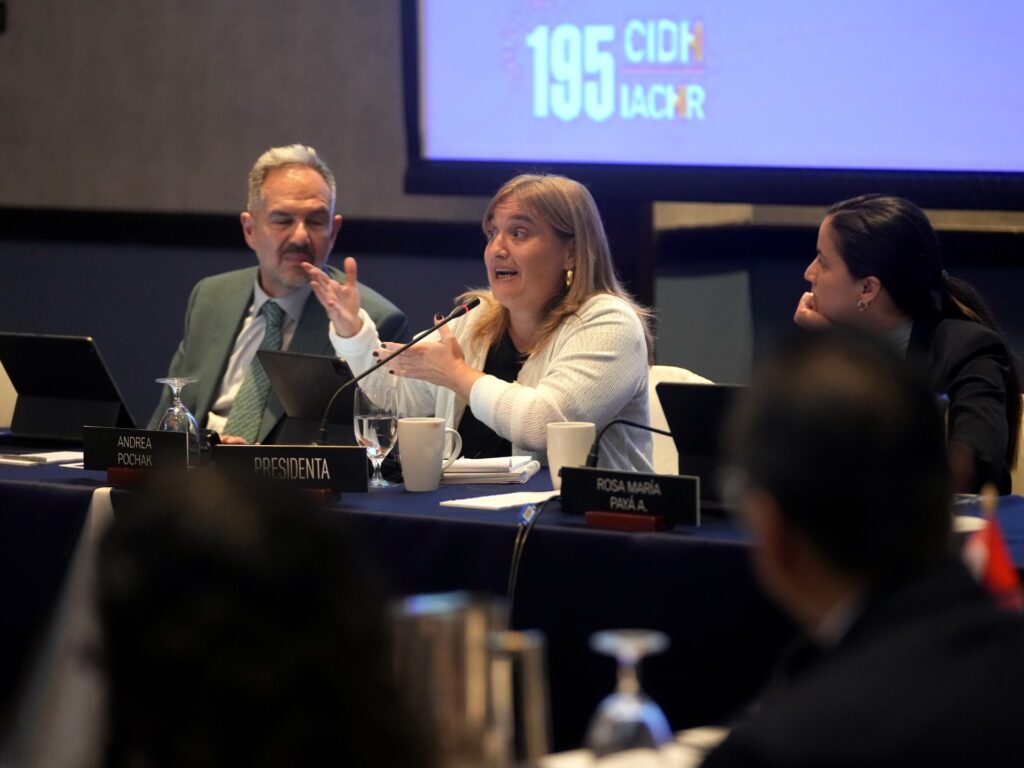
The Inter-American Commission on Human Rights (IACHR) is poised to take a pivotal step by holding its first hearing on the matter, focusing specifically on the alleged extrajudicial killings linked to the US operations in the region. This hearing marks an important milestone, signifying the seriousness with which these claims are being treated at an international level.
Extrajudicial killings refer to the killing of individuals by governmental authorities without the sanction of any judicial proceeding or legal process. These acts violate fundamental human rights and legal norms, prompting calls for urgent investigations and accountability.
The incidents under scrutiny involve boat strikes by US forces in Latin America which have tragically resulted in a significant loss of lives. The identity of the victims, the circumstances surrounding each incident, and the exact motives behind these strikes remain central questions in the ongoing discourse.
Advocates stress that the deaths were not isolated accidents but part of a broader pattern of operations that may have disregarded human rights and international law. They argue that such actions, if verified, could constitute serious violations requiring legal redress and reforms in military and security protocols.
The IACHR hearing is expected to bring together human rights defenders, victims’ families, experts, and representatives from relevant governments to present evidence, testimonies, and analyses. This collaborative forum aims to foster transparency, uncover facts, and propose measures to prevent future abuses.
Political leaders and international observers are closely monitoring the situation, recognizing its implications for US-Latin America relations, regional security, and human rights standards. The hearing could set important precedents for how similar cases are handled in the future.
In addition to the formal hearing, there is growing pressure on US government officials to publicly address and acknowledge the incidents. Calls for independent investigations, possibly involving international bodies, underscore the demand for impartiality and thoroughness.
Civil society organizations are mobilizing to support victims and raise awareness about the consequences of military operations that lack adequate oversight. They advocate for strategies that prioritize human rights and accountability, including reforms in operational conduct and enhanced safeguards.
The revelations about the boat strikes have sparked intense debate about the balance between security operations and respect for human rights. Critics argue that the pursuit of security objectives must never come at the expense of fundamental liberties and legal protections.
This unfolding situation highlights the importance of international mechanisms like the IACHR in addressing human rights violations and providing a platform for affected communities to seek justice.
As the hearing approaches, all eyes are on the actions that will be taken to ensure accountability and prevent recurrence. The international community awaits concrete outcomes that reflect a commitment to upholding human dignity and the rule of law.
The journey ahead will require cooperation, transparency, and a resolute focus on human rights. Advocates remain determined to ensure that the victims of these tragic incidents receive justice and that lessons are learned to avoid similar tragedies in the future.
This issue resonates profoundly not only in Latin America but globally, as it underscores ongoing challenges in managing military and security interventions with respect for international norms and human rights principles.