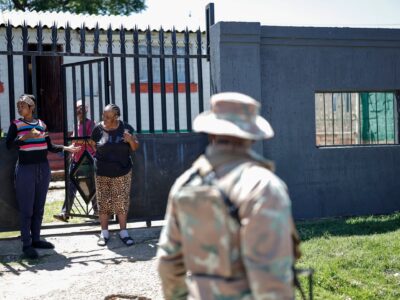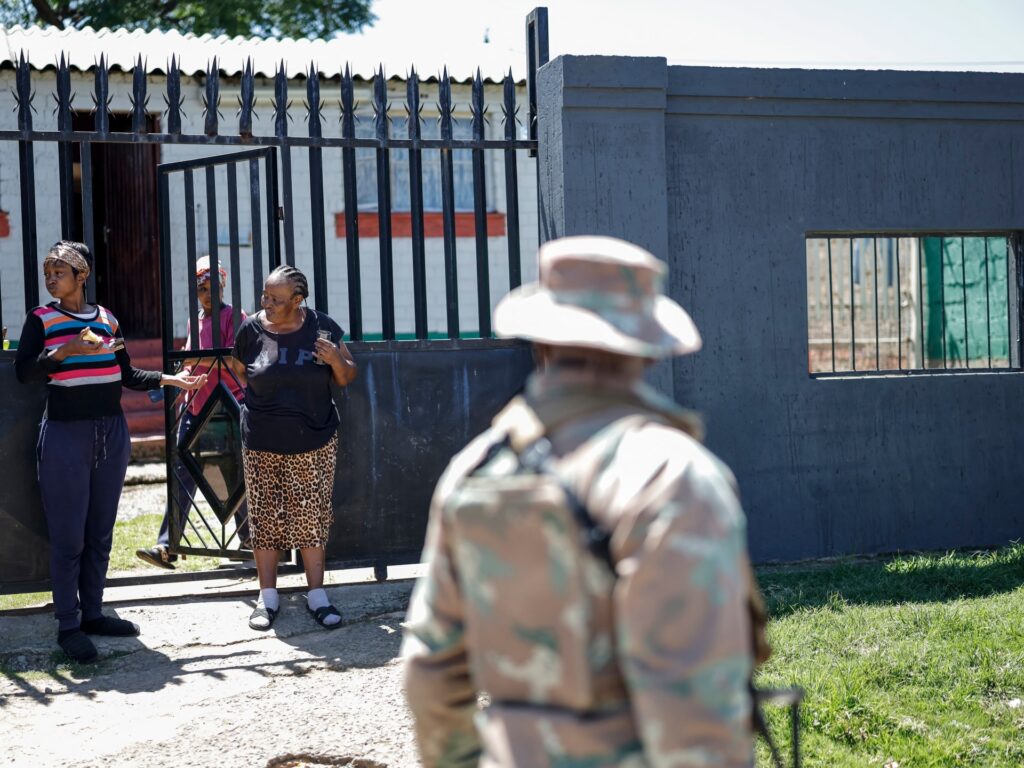
In a significant move aimed at addressing the escalating crime and gang violence in Johannesburg, South African soldiers have been deployed to the streets, marking a decisive action nearly a month after President Cyril Ramaphosa highlighted organized crime as a threat to the country’s democracy.
The deployment of troops underscores the government’s commitment to restoring safety and security in one of the nation’s most populous cities, where crime rates have surged, causing widespread concern among residents and authorities alike. The presence of soldiers is expected to bolster the efforts of the local police, enhance public safety, and target criminal networks operating within urban areas.
President Ramaphosa’s statement about the dangers posed by organized crime set the stage for increased military involvement in civilian law enforcement, a measure often debated given its implications for civil liberties and the role of the military in domestic affairs.
The operation in Johannesburg is focused primarily on dismantling gangs known for their involvement in violent crimes, drug trafficking, and other illicit activities that undermine community stability and economic development. Soldiers working alongside police units are conducting targeted raids, patrols, and intelligence-driven interventions designed to disrupt criminal activities and apprehend key suspects.
Community leaders have expressed mixed reactions to the deployment. While many welcome the additional support and hope it will lead to a reduction in violence, some residents worry about the potential for abuses of power and the length of military presence in civilian areas. Human rights organizations stress the importance of clear rules of engagement and oversight to prevent misuse of authority.
The South African National Defence Force (SANDF) has assured the public that the troops will operate within strict legal frameworks and coordinate closely with law enforcement agencies to ensure an effective and respectful approach to policing.
This military involvement is part of a broader national strategy to combat organized crime that includes legislative measures, enhanced policing capabilities, and community engagement programs. Officials are optimistic that the combined efforts will pave the way for lasting improvements in public safety and restore confidence among Johannesburg’s citizens.
The deployment comes amid rising concerns that corruption and criminal networks have deeply infiltrated various aspects of society, posing severe challenges to governance and democratic institutions. President Ramaphosa has emphasized that addressing organized crime is critical not only for law and order but also for preserving the democratic fabric of South Africa.
As the operation unfolds, the government is closely monitoring its impact and outcomes, prepared to adapt strategies as necessary to achieve optimal results. The collaboration between military and police forces in Johannesburg could serve as a model for similar interventions in other regions facing endemic crime problems.
In the meantime, the eyes of the nation remain on Johannesburg, hoping this robust response will bring tangible relief to communities long plagued by violence and insecurity. The deployment marks a pivotal chapter in South Africa’s ongoing struggle against crime and the pursuit of a safer, more democratic society for all its citizens.