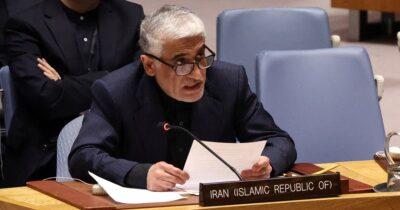
Iranian authorities have issued stern warnings against ongoing protests within the country, amid rising tensions with Israel. The police chief has declared that protesters suspected of acting under the influence or direction of the United States and Israel will be considered enemies of the state and treated accordingly. This warning comes as Israel reportedly threatens the Basij forces, a paramilitary volunteer militia under Iran’s Islamic Revolutionary Guard Corps (IRGC).
The Basij forces play a crucial role in maintaining internal security in Iran, frequently involved in suppressing dissent and controlling protests. Israel’s threats against this militia underscore the escalating geopolitical friction between the two nations, which have long been adversaries in the Middle East.
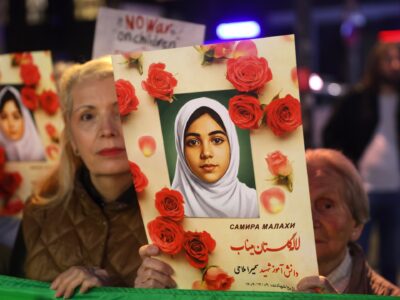
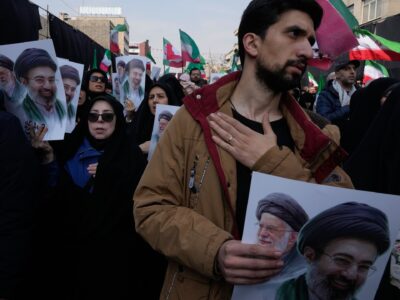
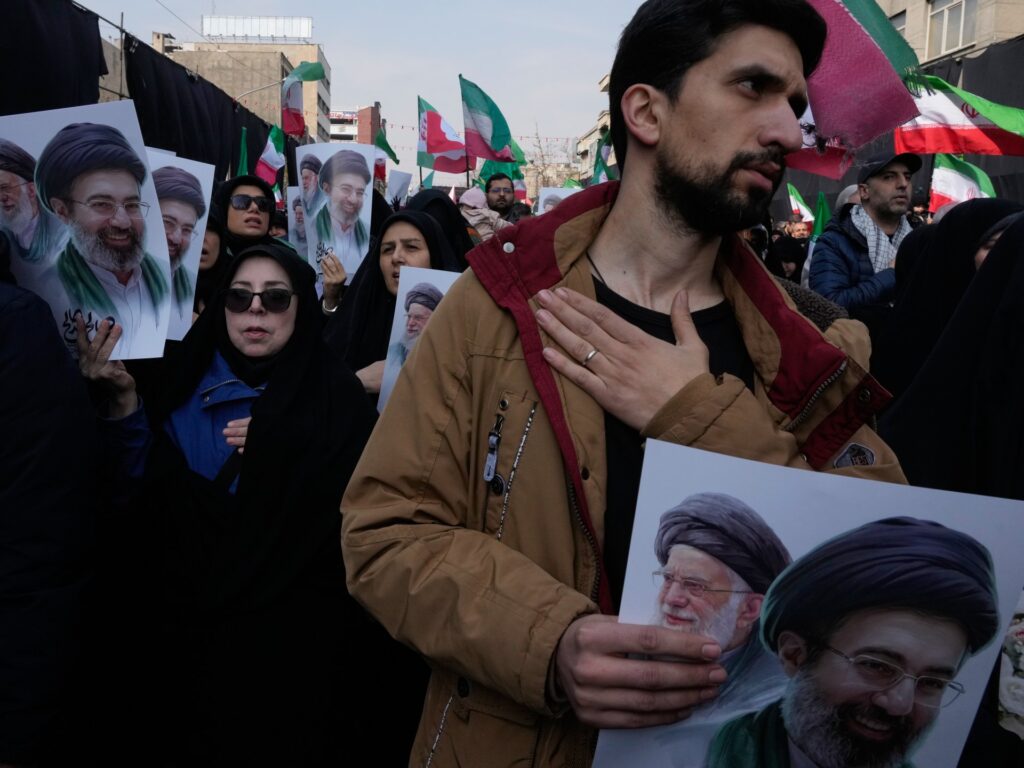
Iran’s internal situation has been volatile, with growing protests sparked by economic hardships, political grievances, and calls for social reforms. The government views these protests not only as domestic challenges but also as attempts influenced by external enemies to destabilize the country.
The police chief’s statement highlights Iran’s stance on national security and sovereignty, emphasizing zero tolerance for any form of protest perceived as orchestrated by foreign powers. This approach reflects a broader pattern in Iran’s response to dissent, where protest movements are frequently linked to foreign interference, often pinpointing the US and Israel as culprits.
International observers remain concerned about the potential for increased violence and human rights violations as the Iranian government clamps down on demonstrators. The situation also adds a complex layer to the already strained relations between Iran, Israel, and the broader international community.
This development signals a period of heightened alert within Iran, with authorities preparing to counter any protests under the justification of preventing foreign subversion. Meanwhile, Israel’s threats to the Basij forces represent a provocative element that could further inflame regional tensions, potentially affecting security dynamics across the Middle East.
In summary, Iran’s warning against protests intertwined with accusations of foreign influence, coupled with Israel’s hostile stance against Iranian paramilitary groups, marks a critical juncture in the continuing saga of Middle Eastern geopolitics and internal strife.