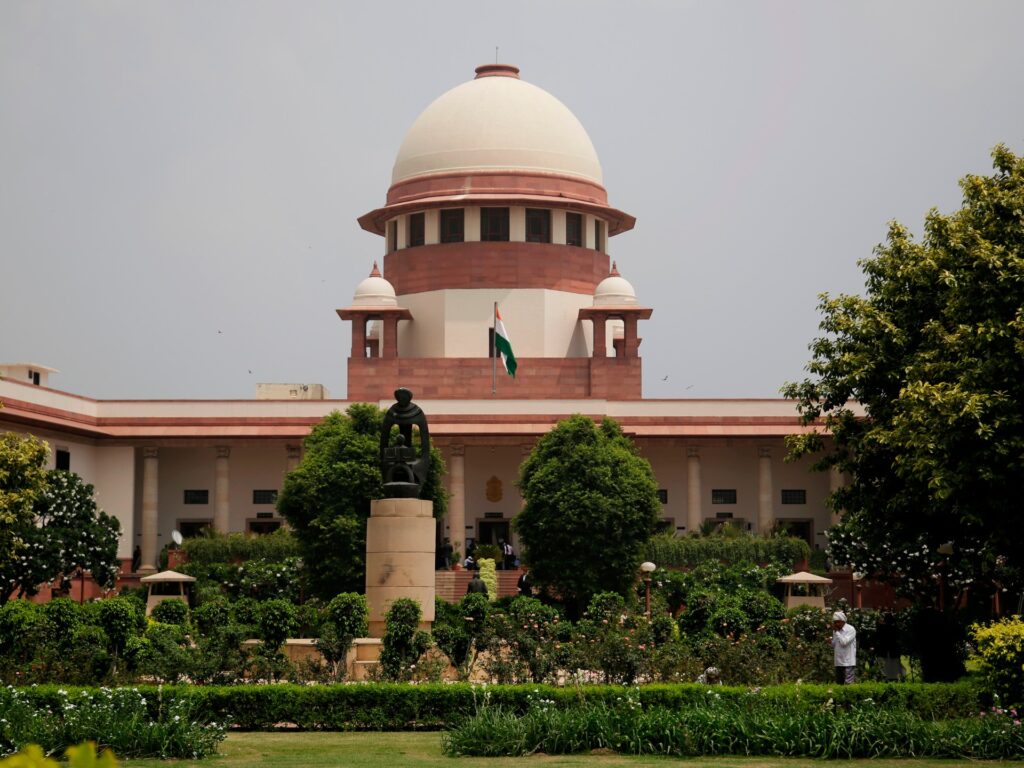
In a landmark judgment, India’s Supreme Court has allowed the withdrawal of life support for a 32-year-old man who has been in a persistent vegetative state for over twelve years. This ruling marks the first-ever legal approval of passive euthanasia in the country and sets a significant precedent for medical ethics and end-of-life care.
The individual in question had been kept alive on life support following a severe brain injury that left him unconscious and unresponsive since his early twenties. His family petitioned the court to permit the cessation of artificial life-sustaining measures, arguing that continuing treatment served only to prolong suffering without hope of recovery.
The Supreme Court, after careful deliberation, granted the family’s request, outlining strict guidelines for the application of passive euthanasia to ensure ethical and legal compliance. Passive euthanasia involves withdrawing medical interventions that artificially prolong life, such as ventilators or feeding tubes, allowing the person to die naturally.
This decision comes at a time when global discussions about patients’ rights, dignity, and autonomy at the end of life are gaining momentum. In India, the ruling extends recognition to the complexities faced by families and medical practitioners when dealing with chronic vegetative states and terminal illnesses.
The Court emphasized the importance of informed consent from close relatives and consultations with medical experts before life support withdrawal. Furthermore, it mandated the establishment of a medical board to verify the patient’s condition and corroborate the decision to discontinue treatment.
Legal experts observe that this judgment fills a long-standing gap in Indian law concerning euthanasia, distinguishing between active measures taken to end life and passive decisions to allow natural death by halting extraordinary medical interventions.
Healthcare professionals welcome the ruling, highlighting that it provides clarity and a humane approach to managing patients who have no prospect of recovery, thereby respecting patient dignity and reducing prolonged suffering.
Nonetheless, the verdict also raises ethical questions and the necessity for clear policies to safeguard against misuse and ensure decisions are made with utmost care and compassion.
The case that led to this groundbreaking verdict involved extensive documentation of the patient’s medical history and the family’s prolonged struggle with the emotional and financial toll of indefinite life support. The Supreme Court’s decision brings not only legal clarity but also social recognition to the emotional burdens borne by families in such situations.
Human rights advocates applaud the judgment, seeing it as a progressive step towards safeguarding the rights of patients and their families, aligning India with many other nations that have legalized or endorsed forms of passive euthanasia under regulated circumstances.
This ruling is anticipated to trigger further legal and medical discourse on the role of euthanasia and palliative care in India, with the government likely to consider comprehensive legislation addressing patients’ rights, end-of-life care practices, and ethical standards.
The Supreme Court’s decision underscores a delicate balance—respecting life and dignity while acknowledging the harsh realities of irreversible medical conditions. It marks a pivotal development in India’s judicial and medical landscape, reflecting the evolving values of society towards compassion and humanity in terminal care.
Families, medical practitioners, and legal experts will now look towards this landmark decision as a guiding framework for future cases concerning life support withdrawal and passive euthanasia, hoping it will pave the way for more nuanced conversations and policies supporting patients’ rights and ethical medical practices.
As this precedent unfolds, there is a growing call to enhance public awareness and professional guidelines to manage the sensitive aspects of end-of-life decisions compassionately and judiciously, ensuring that dignity remains at the core of care for those facing the final stages of life.