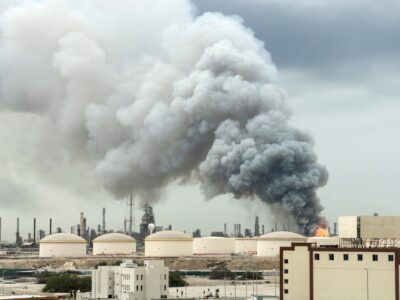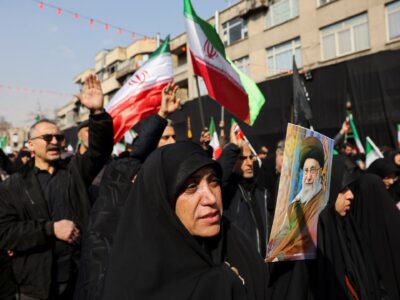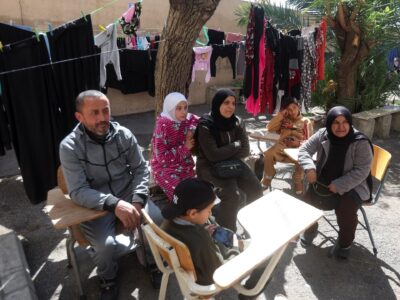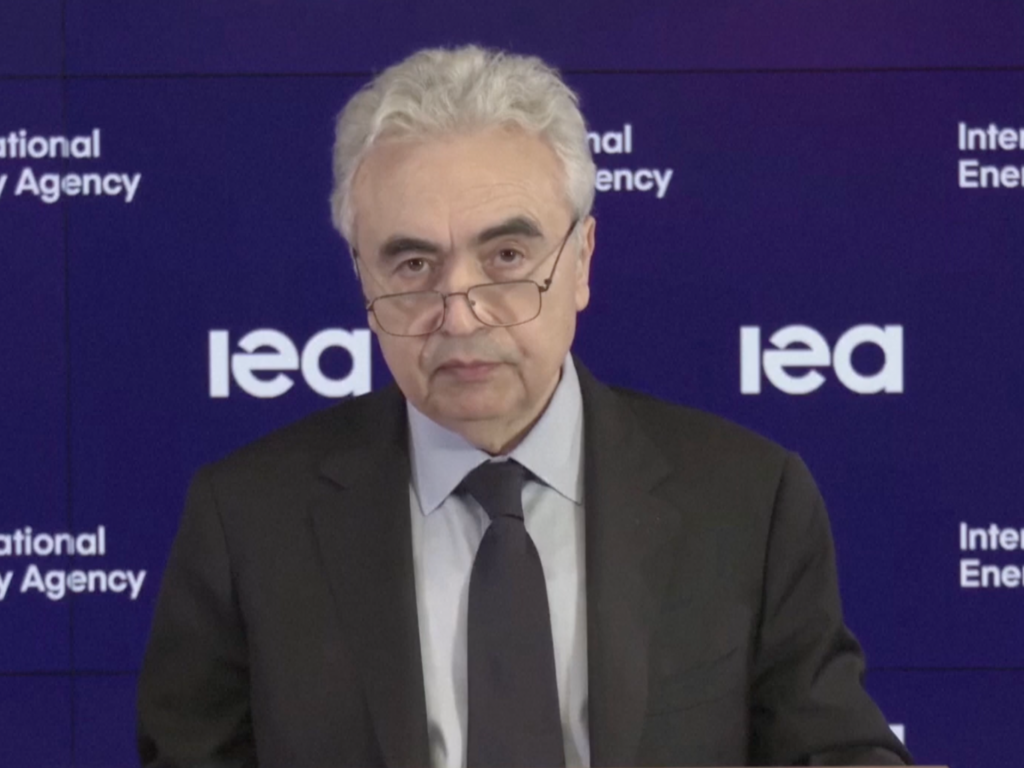
The International Energy Agency (IEA) has announced a landmark decision to release a record-breaking 400 million barrels of oil from its strategic reserves. This unprecedented move comes amid escalating tensions involving Iran, which has significantly impacted global oil markets.
The IEA’s decision aims to stabilize the volatile oil prices that have surged due to geopolitical uncertainties surrounding the Iran war. The oil release is intended to ease supply constraints and reassure markets of sufficient availability.
Historically, the IEA has coordinated oil stock releases during crises to manage supply disruptions. However, the scale of this release surpasses previous interventions, reflecting the severity of the current situation. The 400 million barrels of oil release is a collective effort by member countries to counterbalance the potential supply shortfalls caused by the conflict.
Energy analysts suggest that this move could help mitigate fuel price spikes worldwide, benefiting both consumers and industries that heavily depend on oil.
The IEA emphasized that the operation would be carefully managed to avoid long-term damage to the strategic reserves, which are vital for responding to future crises.
Market responses have been cautiously optimistic, with oil prices showing signs of stabilization following the announcement. Yet, uncertainties remain due to the unpredictability of the regional conflict.
The release involves coordinated logistics among multiple countries to ensure smooth distribution and delivery of the oil to critical markets in need.
This strategic intervention underscores the importance of global cooperation in energy security, especially during geopolitical upheavals that threaten supply chains.
As the situation continues to evolve, the IEA plans to monitor market conditions closely and adjust strategies as necessary to maintain stability.
This initiative highlights the IEA’s role as a key player in managing global energy supplies and responding proactively to crises that jeopardize market equilibrium and economic stability.
Stakeholders across energy sectors are watching closely to gauge the long-term impact of this significant release on oil supply, pricing, and overall market dynamics.
With oil being a critical global commodity, efforts like this demonstrate the need for robust strategic reserves and the importance of international collaboration in energy policy.
The 400 million barrel release marks a historic moment in the energy sector, reflecting both the challenges posed by geopolitical conflicts and the collective resilience of nations in safeguarding energy security.
The IEA’s decision sends a strong signal to markets and policymakers about the commitment to maintain energy stability amidst ongoing uncertainties surrounding the Iran conflict.