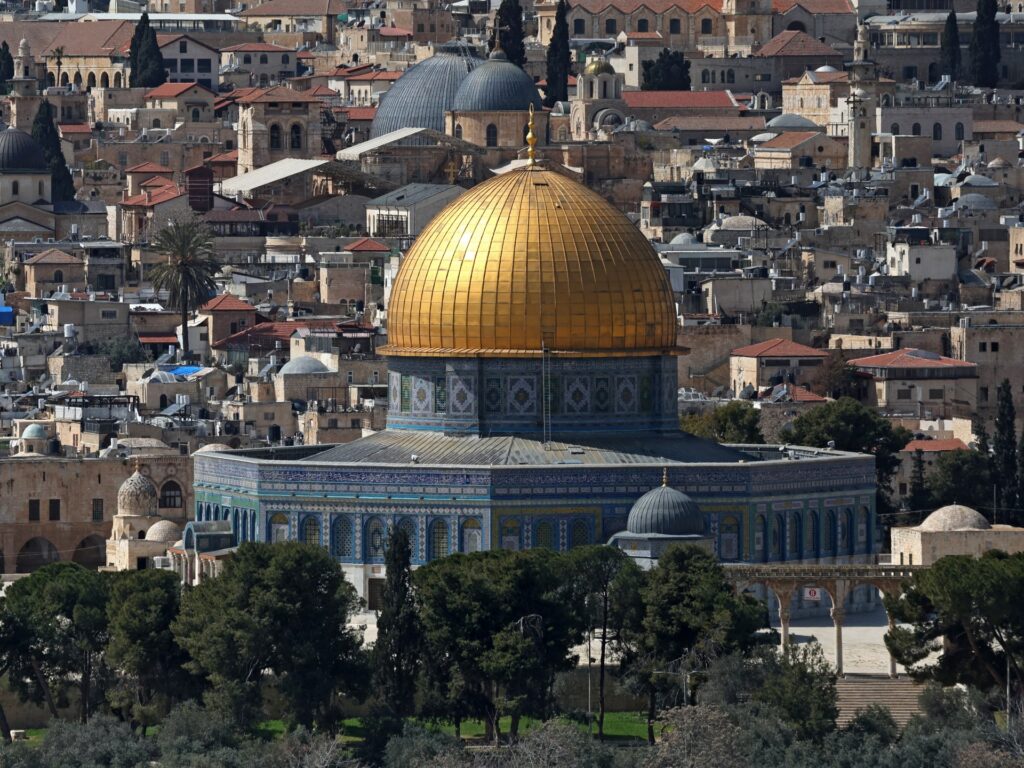
In a strong show of unity and concern, eight Arab and Islamic countries have condemned the recent actions taken by Israel regarding the closure of Al-Aqsa Mosque. For the past 12 days, Israel has kept the Al-Aqsa Mosque closed and imposed stringent restrictions on movement within the Old City of Jerusalem, a move that has sparked widespread condemnation and anxiety among Palestinians and the international Muslim community alike.
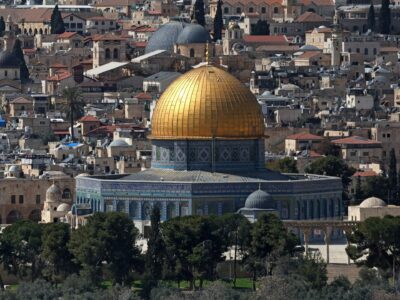
Al-Aqsa Mosque holds immense religious significance as the third holiest site in Islam, making its closure a highly sensitive issue. The Old City of Jerusalem, where the mosque is located, is a densely populated area with profound historical and spiritual importance to both Muslims and Jews. The Israeli government’s decision to restrict access has not only disrupted religious practices but has also intensified tensions in an already volatile region.
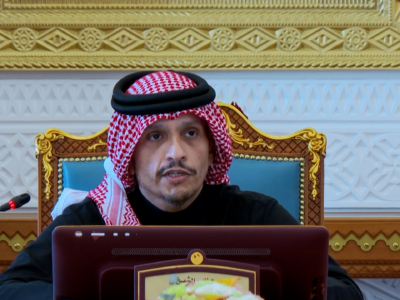
The eight countries voicing their opposition span across the Arab and Islamic world, emphasizing the collective nature of the response. These countries have issued official statements condemning the closure, calling it a violation of the rights of Muslims to freely access their holy sites. They have accused Israel of escalating tensions and undermining efforts toward peace in the region.
This action has also drawn criticism from various international organizations and human rights groups, which view the restrictions as a form of collective punishment that disproportionately affects innocent civilians, including worshippers, residents of the Old City, and visitors.
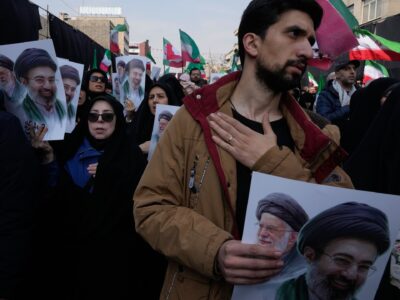
The closure has impacted daily life significantly. Worshippers have been unable to perform prayers at Al-Aqsa during one of the most important periods of the Muslim calendar, leading to heightened frustration and protests. Movement restrictions have also affected market activities, family visits, and access to education and healthcare within the Old City, exacerbating the humanitarian situation.
The international community is calling for immediate dialogue to resolve the issue and restore full access to Al-Aqsa Mosque. The eight countries have urged the United Nations and other international bodies to intervene and uphold the rights of Palestinians and Muslims to their religious sites.
Historically, the status of Jerusalem and its holy sites has been a core issue in the Israeli-Palestinian conflict. The recent closure adds another layer of complexity to the negotiations and peace efforts underway. Palestinian authorities have condemned the closure as an illegal act and a provocation, promising to seek international support to reopen the mosque and restore normalcy.
Religious leaders from various communities have also spoken out, emphasizing the importance of respecting all faiths and maintaining peace and coexistence in Jerusalem. Many have called on Israel to reconsider its policies that affect the sacredness of the city.
The situation remains tense as the closure enters its second week plus, with ongoing protests and diplomatic efforts to find a resolution. The impact on the religious, social, and political fabric of the region is profound, highlighting the need for renewed commitment to dialogue, respect for religious rights, and peaceful coexistence.
As the world watches, the eight Arab and Islamic nations’ unified stance sends a clear message against unilateral actions that infringe on religious freedoms and international norms. The path forward will require careful negotiation, respect for historic and religious sensitivities, and a commitment to peace and justice for all parties involved.