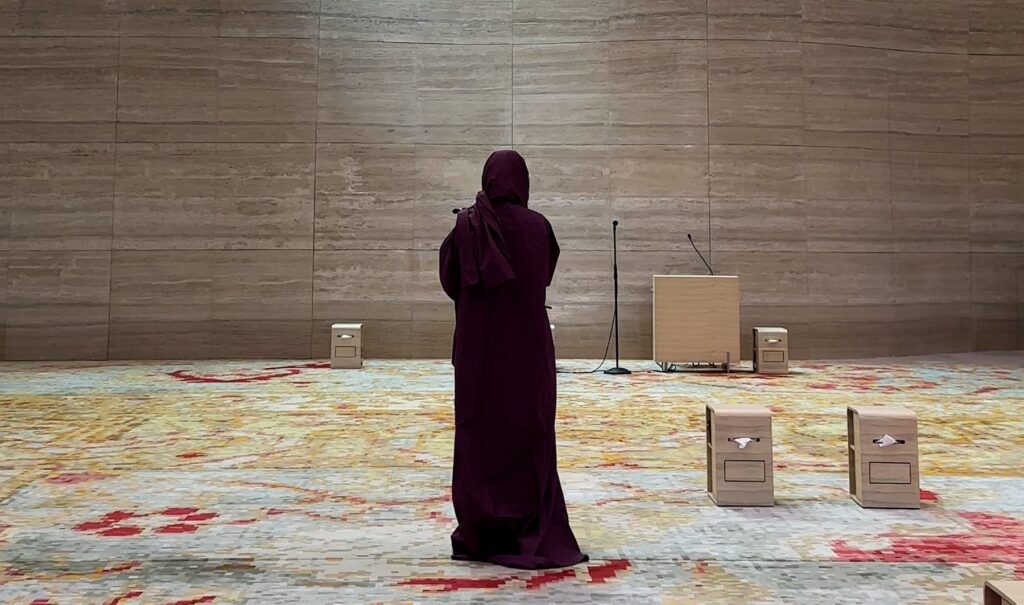
Al Jazeera recently explored a groundbreaking development in religious and cultural spaces in the Middle East by visiting the first women-only mosque located in Doha, Qatar. This pioneering mosque marks a significant milestone in the region, offering women a dedicated place for worship and community engagement.
Traditionally, mosques in the Middle East have been male-dominated spaces, with women often relegated to separate areas or galleries, if included at all. The establishment of this women-only mosque reflects a progressive shift towards gender inclusivity and empowerment within religious contexts.
Located in the heart of Qatar’s bustling capital, Doha, the mosque was designed to serve as a spiritual sanctuary exclusively for women. Its inception was driven by the recognition of the importance of creating spaces where women can pray, learn, and participate in religious activities freely and comfortably.
The mosque’s architecture combines contemporary elements with traditional Islamic design, featuring spacious prayer halls, classrooms for religious education, and areas for social interaction. It is tailored to meet the needs of women of all ages and backgrounds, facilitating a supportive and respectful environment.
Community leaders and worshippers have expressed strong support for the mosque, highlighting its role in fostering greater female participation in religious life. The mosque also hosts workshops, lectures, and cultural events aimed at enriching the spiritual and social lives of women.
This development aligns with broader regional trends advocating for women’s rights and gender equality, reflecting ongoing social reforms in many Middle Eastern countries. The women-only mosque in Doha stands as a symbol of progress, demonstrating that tradition and modernity can coexist harmoniously.
Visitors to the mosque, including Al Jazeera reporters, noted the serene atmosphere and the sense of empowerment among the women attending. The mosque provides a platform for spiritual growth and community building, emphasizing respect, dignity, and the importance of inclusivity.
As the first women-only mosque in the Middle East, the Doha mosque may pave the way for similar initiatives across the region. It represents a step forward in acknowledging and supporting the spiritual and social needs of women, and highlights the evolving landscape of religious practice in the Middle East.
Overall, Al Jazeera’s visit underscores the significance of this landmark mosque in Doha as a beacon of progress and inclusivity, offering a hopeful glimpse into the future of gender roles in religious spaces across the Middle East.