Ukraine, amid ongoing conflicts, has gained substantial battle experience in countering Iranian-made Shahed drones that have posed significant threats in contested regions. These drones, known for their cost-effectiveness and precision in attacks, have been deployed to target Ukrainian forces, prompting Ukraine to develop and mass-produce effective countermeasures to neutralize them.
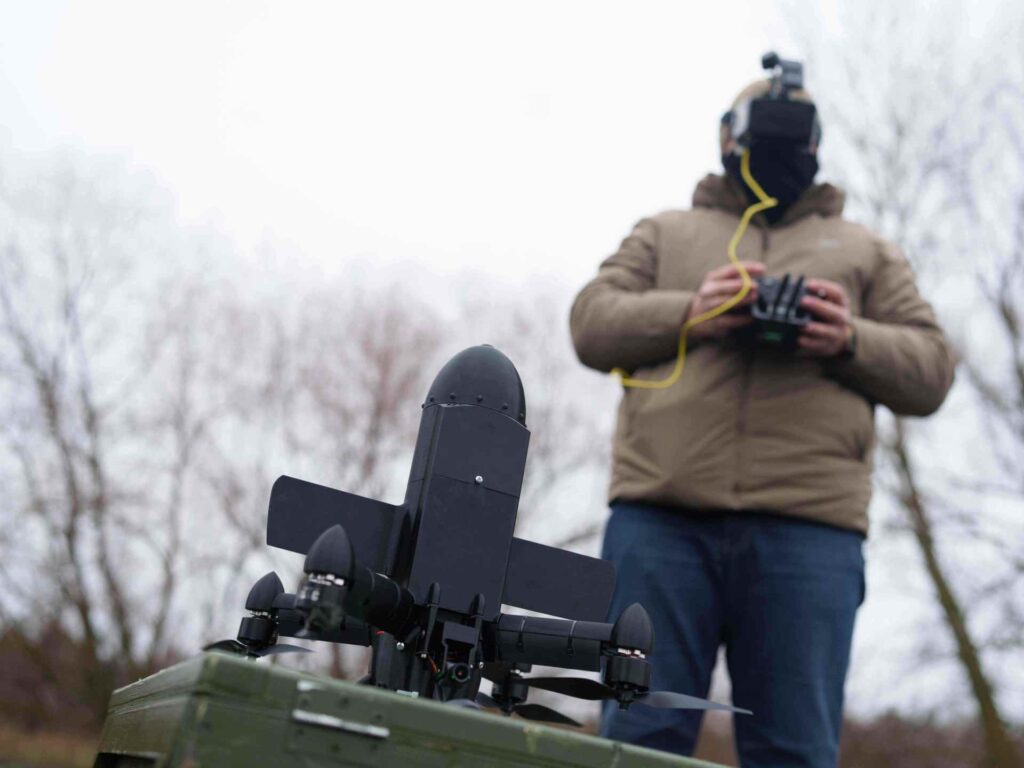
In response, Ukraine has created and deployed inexpensive but efficient drone interceptors specifically designed to combat the Shahed drones. These interceptors serve as a shield for Ukrainian forces by providing a tactical advantage through disruption and destruction of incoming Iranian-made unmanned aerial vehicles (UAVs).
The Ukrainian approach focuses on rapid production and deployment, leveraging local industrial capacities to churn out large numbers of these interceptors. This strategy not only helps in saturating the battlefield defenses but also ensures a cost-effective solution to an ongoing threat.
The drone interceptors operate by detecting, tracking, and engaging hostile drones at various ranges before they can reach vital targets. While Ukraine had limited access to costly air defense systems during the early phases of the conflict, these mass-produced interceptors have filled a critical gap.
Much of the success hinges on their simplicity and adaptability, allowing Ukrainian forces to tailor interception tactics and improve response times. This not only saves resources but also allows for sustained drone defense without dependency on foreign supply chains.
Ukraine’s experience with Iranian Shahed drones has driven innovation in this niche battlefield technology, where cheap drones meet cheap interceptors in a tactical contest of material and operational efficiency.
These interceptors have been integral in blunting the effectiveness of Iranian drone attacks, reducing casualty rates, preserving critical infrastructure, and maintaining operational momentum for Ukrainian troops in active warzones.
Looking ahead, Ukraine’s drone interception program highlights the strategic value of developing cost-efficient and scalable drone countermeasures. This development could serve as a model for other nations facing similar asymmetric aerial threats, emphasizing the importance of adaptability and the localized production of defense technologies.
In conclusion, Ukraine’s mass-produced drone interceptors have proven to be a vital asset in mitigating the threat posed by Iranian Shahed drones. This advancement underscores the broader trend in modern warfare where unmanned aerial systems require equally innovative and accessible counter-drone solutions to ensure battlefield superiority and national defense.