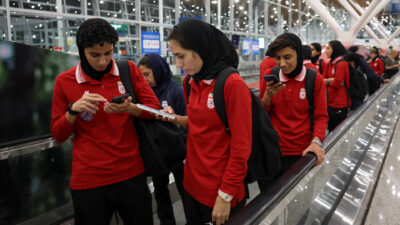
The Iranian women’s football team has recently landed in Malaysia after a significant development during their recent travels. Earlier, some members of the team were granted asylum in Australia as they participated in an international sporting event.
This move came amid ongoing challenges faced by female athletes in Iran, particularly those seeking to compete internationally while navigating social and political restrictions at home. The players who secured asylum chose to stay in Australia, citing concerns for their safety and freedom.
The remaining team members continued their journey and arrived in Malaysia, where they are set to participate in upcoming matches and tournaments. Their arrival marks a critical moment for Iranian women’s sports, highlighting the intersection of athletic ambition and broader human rights issues.
Officials from Malaysia have welcomed the team, offering support and facilities to ensure their preparations for competitions are uninterrupted. This reception underscores Malaysia’s role as a regional hub for sports and its commitment to supporting athletes facing adversity.
The situation has drawn international attention, with sports organizations and human rights advocates expressing solidarity with the players who sought asylum and those continuing to represent Iran abroad. This incident reflects broader discussions about the rights and freedoms of women in sports worldwide.
The Iranian Football Federation has yet to issue an official statement regarding the asylum cases or the team’s arrival in Malaysia. However, the focus remains on the welfare and future of these talented athletes as they continue their careers under challenging circumstances.
The arrival in Malaysia opens new opportunities for the team. Beyond the competition, it offers a platform to raise awareness about the cultural and political barriers faced by female athletes in certain countries. The players’ journey embodies resilience and the universal pursuit of sporting excellence.
Observers note that this event could influence policies and attitudes towards women in sports within the region and beyond. It also highlights the growing importance of international cooperation to safeguard athletes’ rights and well-being.
In summary, the Iranian women’s football team’s arrival in Malaysia following asylum grants in Australia is a poignant reminder of the complex realities faced by women in sports. Their story is one of courage, hope, and the relentless pursuit of dreams despite significant obstacles.