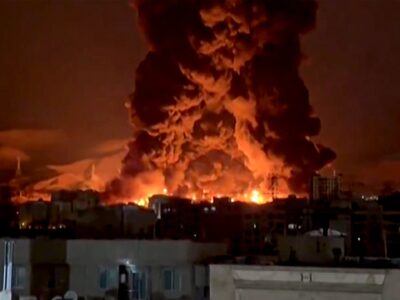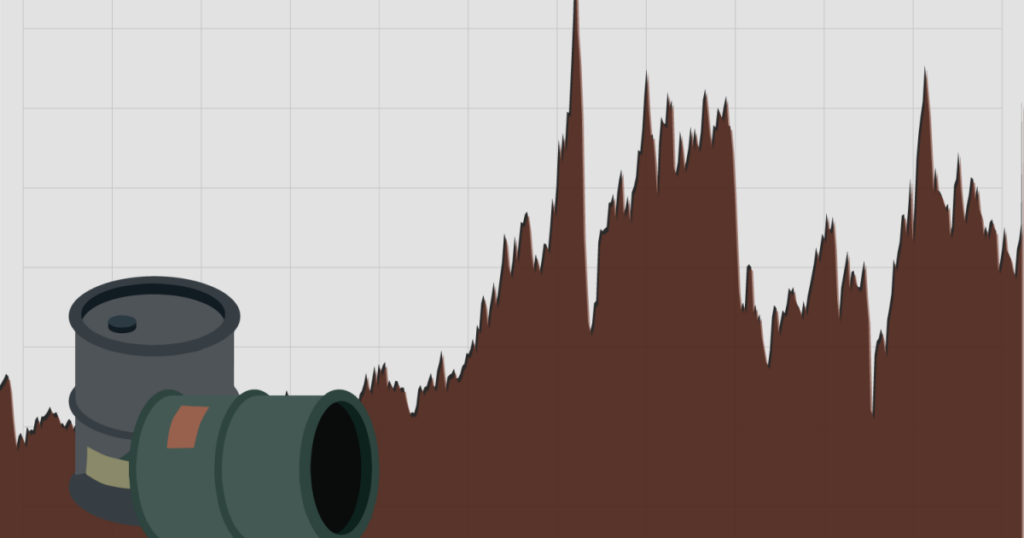
The ongoing conflict involving Iran has led to a sharp increase in global oil prices, a development that threatens to drive up food costs around the world. Oil and gas, which are fundamental energy sources, also serve as critical raw materials for a variety of products vital to food production, with fertilisers being at the forefront.
Fertiliser production is heavily dependent on natural gas, a key feedstock. As oil and gas prices rise, the cost of producing fertilisers escalates significantly. This increase directly impacts farming, where fertilisers play an essential role in enhancing crop yields and maintaining soil health. Higher fertiliser costs force farmers to spend more on inputs, which typically translates into higher prices for consumers.
Moreover, the cost of transporting food products is closely tied to fuel prices. Elevated oil prices mean increased expenses for shipping, trucking, and other logistics. These transportation costs add layers of expense to the supply chain, influencing retail food prices worldwide.
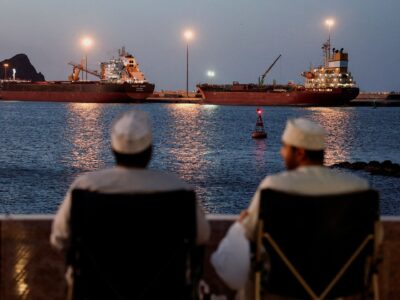
The war in Iran also introduces uncertainty and potential disruptions in the global oil supply, creating volatility in energy markets. Such instability can delay or restrict access to necessary fuel and raw materials, compounding challenges for food producers.
In addition, many other agricultural inputs and processes indirectly depend on petroleum products, including the manufacturing of farming equipment, packaging materials, and even the operation of irrigation systems.
With the global population continuing to grow, the demand for food is expected to rise, making the impact of such energy price shocks more pronounced. Economies heavily reliant on food imports and energy are particularly vulnerable to these price fluctuations.
Governments and industries may need to explore strategies such as diversifying energy sources, improving energy efficiency in agriculture, and investing in alternative fertilisers and farming techniques to mitigate these impacts.
In summary, soaring oil prices caused by the Iran war are likely to increase the cost of fertilisers and fuel, both critical components in the food production and distribution chain. This will likely result in higher food prices globally, affecting food affordability and security for populations worldwide.