A recent report by Human Rights Watch has revealed a devastating toll from drone strikes conducted by Haitian forces in and around Port-au-Prince since 2025. According to the report, these strikes have resulted in the deaths of more than 1,200 people, with at least 60 of the victims being civilians.
The use of drone warfare by Haitian forces marks a significant escalation in the tactics employed in the country’s ongoing security challenges. The strikes have targeted various locations in the vicinity of the capital, Port-au-Prince, ostensibly aimed at combatting armed groups and insurgents operating in the area.
Despite the stated objectives of these military operations, the high civilian casualties reported have raised serious concerns among human rights organizations and international observers. Human Rights Watch has called for immediate investigations into the strikes, emphasizing the need for accountability and adherence to international humanitarian law.
The Haitian government has faced intense pressure both domestically and internationally to clarify the criteria for drone strike targets and to implement measures to minimize civilian harm. The report suggests that the lack of transparency and oversight has contributed to the tragic loss of civilian lives.
Experts warn that the continued use of drone strikes without stringent oversight could exacerbate tensions within the already fragile Haitian society, potentially fueling further violence and instability. The report urges the Haitian authorities to reconsider their reliance on drone warfare and to engage in diplomatic and community-based approaches to address security threats.
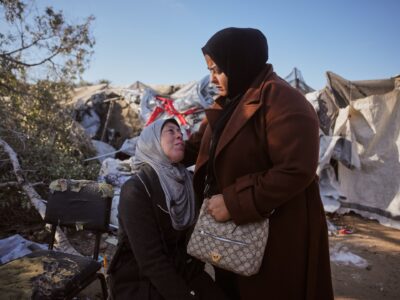
Civilian families impacted by the strikes have expressed grief and a demand for justice, highlighting the human cost behind the statistics. International aid groups have also appealed for increased support for the victims and their communities, stressing the importance of humanitarian assistance alongside security operations.
The report from Human Rights Watch serves as a critical reminder of the complexities and consequences of modern warfare methods in conflict zones like Haiti. As the situation develops, the global community is watching closely, calling for stronger international cooperation to ensure the protection of human rights and the rule of law in conflict situations.
In conclusion, the drone strikes in Haiti represent a grave humanitarian concern, with over 1,200 deaths including dozens of innocent civilians. The need for transparent investigations, accountability, and more peaceful conflict resolution strategies is more urgent than ever to prevent further loss of life and to support long-term stability and peace in the region.