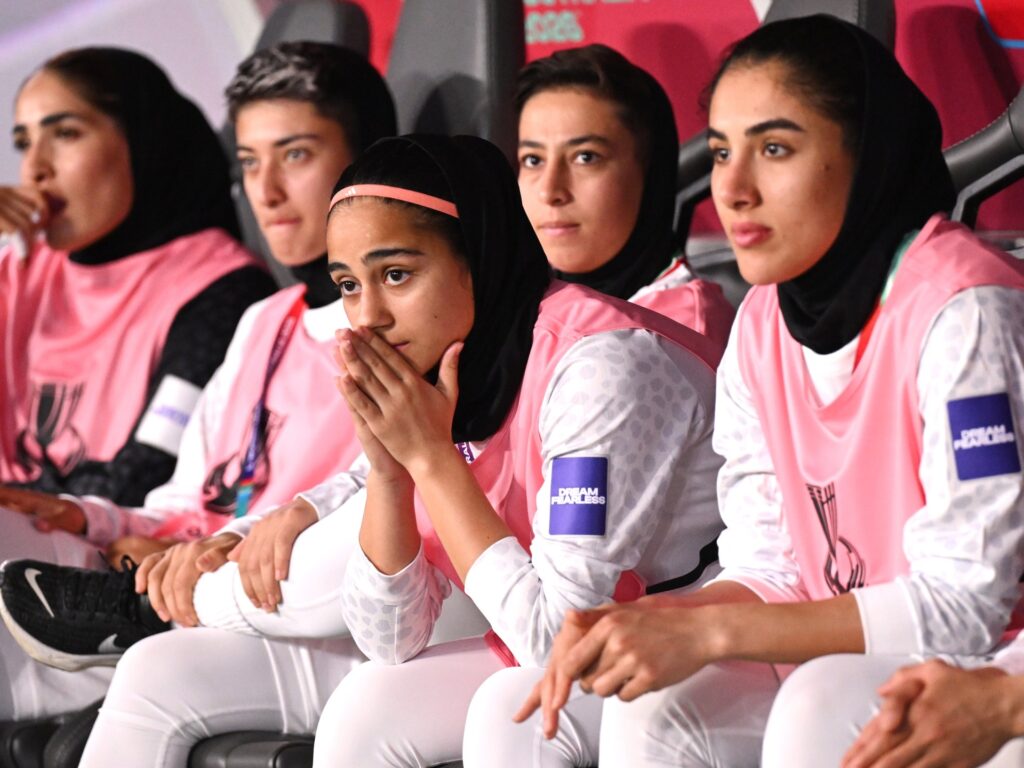
Australia has granted asylum to two more members of the Iranian women’s football team, increasing the total number of team members who have been granted asylum in the country to seven. This development underscores Australia’s commitment to providing refuge to individuals facing persecution or danger in their home countries.
The decision came amid international attention on the Iranian women’s team’s situation, as they have faced significant challenges due to political and social factors in Iran. The asylum grants provide these athletes with an opportunity for safety and freedom, away from the pressures and potential threats present in their homeland.
Australia’s Home Affairs Minister announced the latest asylum approvals, highlighting the government’s humanitarian stance. The move is seen as a support for athletes who have often been at the forefront of advocating for women’s rights and social change in Iran.
The Iranian women’s football team has gained international recognition not only for their sporting achievements but also for their courage in confronting barriers related to gender and freedom of expression within Iran. Their asylum in Australia opens a new chapter, allowing them to continue their careers and lives in an environment that respects and protects their rights.
This significant action by Australia follows global calls for the protection of athletes and individuals who face discrimination and repression. It is expected to draw attention to the ongoing issues within Iran and encourage further support for those seeking refuge due to political and social unrest.
The granting of asylum reflects Australia’s broader policy of welcoming refugees and its dedication to upholding human rights and international protection principles. For the Iranian women footballers, it marks a hopeful turning point and a chance for a safer, more secure future.
As members of a team that symbolizes resistance and empowerment, the newly granted asylum recipients represent more than just athletes; they embody the fight for freedom and dignity. Australia’s compassionate response will likely inspire other nations to consider similar humanitarian measures for vulnerable individuals.
The move has been met with positive reactions from human rights groups and advocates who have long campaigned for the protection of Iranian women in sport. It also highlights the critical role that sports can play in fostering social change and supporting human rights globally.
In summary, Australia’s decision to grant asylum to two additional members of the Iranian women’s football team is a powerful statement of solidarity and protection. It emphasizes the importance of providing safe havens for those who risk their lives to stand up for their beliefs and rights, offering them the opportunity to thrive in a supportive and free environment.