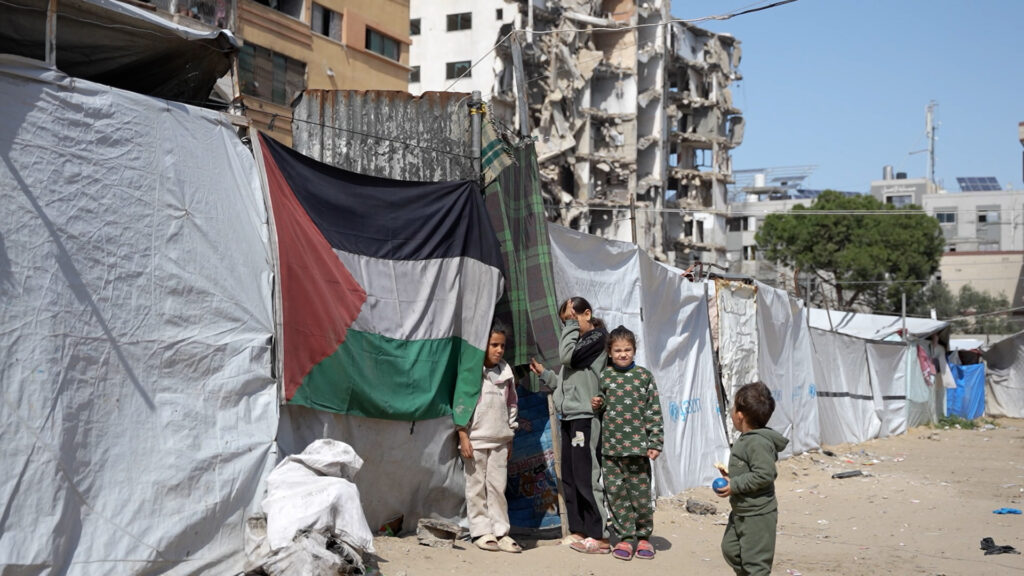
The closure of the Rafah crossing has profoundly impacted the lives of Palestinians in Gaza, with many expressing deep concerns about the isolation and hardships faced by their families. For countless residents, the crossing serves as a critical lifeline, connecting them to essential services, medical care, and the outside world. The abrupt closure has left many stranded, unable to reunite with loved ones or access crucial supplies.
Families have shared stories of anguish as patients requiring urgent medical treatment abroad are forced to wait, sometimes with life-threatening consequences. Students and workers who depend on the crossing for education and employment opportunities find themselves trapped, their futures uncertain.
Local businesses have also suffered, exacerbating an already dire economic situation. The lack of movement has disrupted supply chains, leading to shortages of food, medicine, and other necessities. Many families report increased anxiety and stress, feeling trapped within Gaza’s borders.
The closure is seen not only as a physical barrier but a psychological one, deepening feelings of confinement and desperation. Yet amidst the challenges, community solidarity remains strong. Neighbors support each other, sharing resources and information to cope with the unprecedented situation.
Voices from Gaza highlight the urgent need for the reopening of the Rafah crossing. Their experiences underscore the human cost of political conflict and the vital role of access and freedom of movement for preserving dignity and hope in times of crisis.