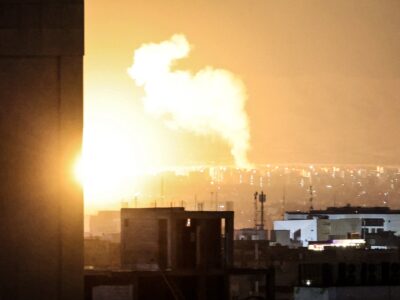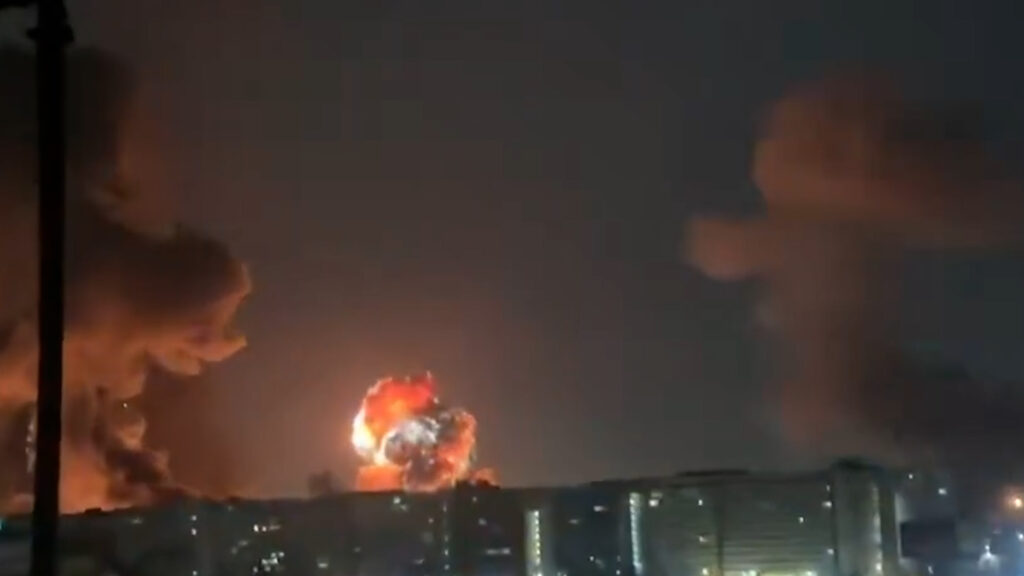
In a significant escalation of regional tensions, overnight strikes conducted by US and Israeli forces targeted the Tehran International Airport in Iran. The coordinated airstrikes struck key installations at the airport, causing considerable damage to infrastructure and disrupting operations. According to initial reports, the strikes were aimed at disabling logistical hubs believed to be used by Iranian military factions for the transport of weapons and personnel.
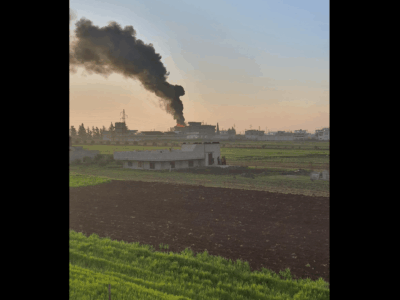
Witnesses near the airport reported hearing multiple explosions and seeing smoke rising from several parts of the facility. Iranian state media confirmed the incident but provided limited details, emphasizing that emergency services were responding swiftly and that casualties were being assessed.
This attack marks a rare direct hit on Tehran itself, signaling a bold move by US and Israeli forces amid rising hostilities in the Middle East. Analysts suggest the strikes may be part of a broader strategy to curb Iran’s influence and its nuclear ambitions by targeting critical infrastructure.
The international community has expressed concern over the repercussions of these strikes. Diplomatic channels are reportedly active, with many nations calling for restraint to avoid further escalation that could destabilize the region.
Iranian leaders have condemned the strikes, vowing to retaliate against what they describe as an act of aggression. The situation remains fluid, with increased military alertness anticipated in the coming days.
The United States and Israel have not officially confirmed responsibility for the operation but have hinted at the necessity of decisive action to maintain security in the region. The strikes underscore the fragile state of peace in the Middle East and highlight the ongoing challenges in resolving conflicts involving Iran and its neighbors.
International observers will be closely monitoring the developments following these attacks. The implications for regional security, global diplomacy, and the future of Iran’s relations with Western nations are profound and uncertain. Continued dialogue and strategic engagement will be critical to managing the fallout from this incident and preventing wider conflict.
In the wake of the strikes, travel advisories have been updated, and several airlines have suspended flights to Tehran International Airport. The economic and humanitarian impacts of the attack are still being evaluated, with concerns rising over potential disruptions to civilian air travel and commerce.
As the situation unfolds, governments around the world are weighing their responses and preparing for potential shifts in geopolitical alliances. The next few days are expected to be pivotal in determining the trajectory of Middle Eastern stability and international relations.