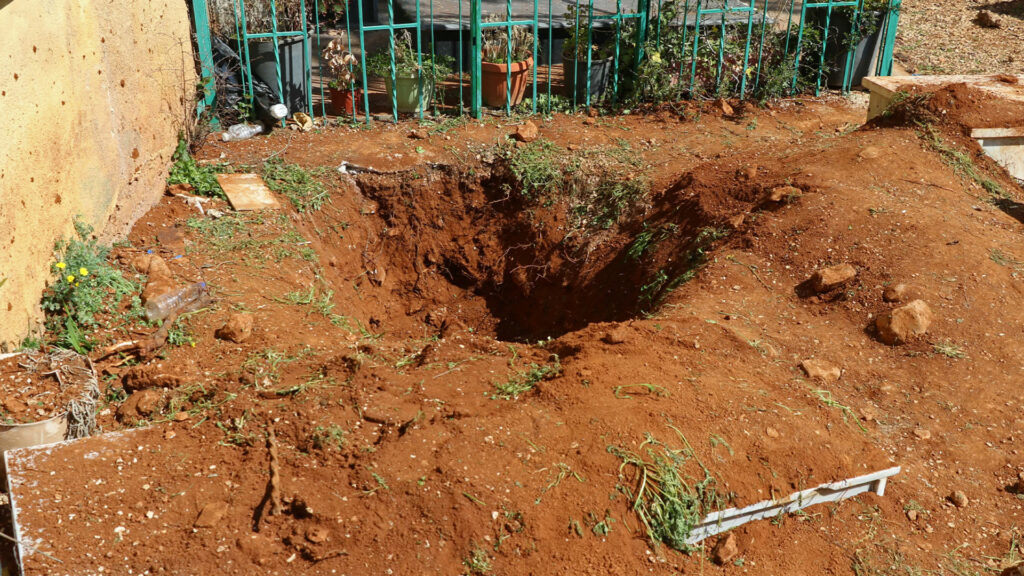
In a remarkable development echoing back four decades, Israeli forces recently conducted a raid in Lebanon with a primary objective to locate a pilot who has been missing for 40 years. This operation involved digging up graves as part of an exhaustive search effort, highlighting Israel’s ongoing commitment to accounting for its missing personnel, regardless of the elapsed time.
The missing pilot’s case has been a lingering issue for Israel, symbolizing the enduring pain and uncertainty faced by families and the military alike. The raid signifies an extraordinary measure, underscoring the importance placed on this mission by Israeli authorities.
Details of the raid indicated that Israeli forces entered Lebanese territory carefully and executed the excavation of graves to find any possible clues or remains that could help identify the long-lost pilot. This unusual operation has raised questions and concern regarding its implications for the regional relations between Israel and Lebanon.
Analysts suggest that the mission may have been initiated based on new intelligence or leads acquired through advancements in forensic science or intelligence gathering. The authorities hope that any findings could finally bring closure to one of the longest unresolved cases from past conflicts.
The search also highlights the complex and often tense nature of Israeli-Lebanese relations, where military operations across borders occur under fraught circumstances. Despite the passage of decades, the memories and consequences of earlier conflicts continue to influence actions and policies.
Families of missing soldiers and pilots carry a heavy psychological burden, enduring years of not knowing the fate of their loved ones. This raid offers a glimmer of hope for obtaining answers and perhaps the opportunity for a proper burial if remains are found.
The Israeli government has not disclosed comprehensive details about the outcomes of the raid, maintaining a degree of confidentiality, likely due to the sensitive nature of the operation and diplomatic considerations.
Security experts note that such operations, although rare, are indicative of Israel’s strategic priority to leave no stone unturned in matters concerning its military personnel, emphasizing respect and honor for those who serve.
The international community awaits reactions from both Israel and Lebanon, as this event rekindles discussions on historical grievances and the necessity for peaceful resolutions to ongoing disputes.
In conclusion, Israel’s raid in Lebanon searching for a missing pilot from 40 years ago reflects a poignant blend of historical remembrance, military diligence, and geopolitical complexity. It underscores the enduring impact of past conflicts and the relentless quest for closure and justice by the Israeli state and its people.