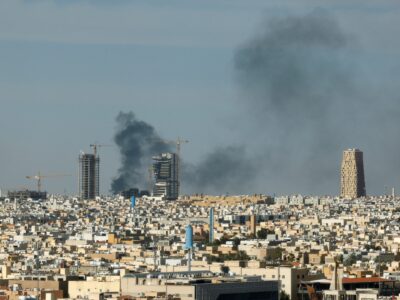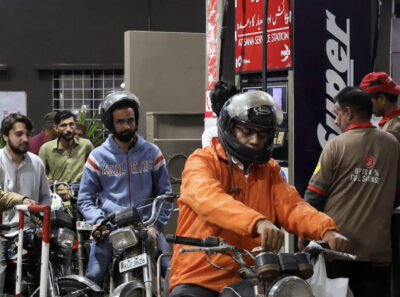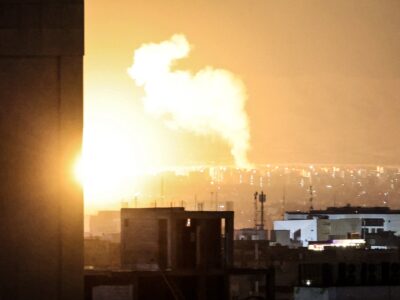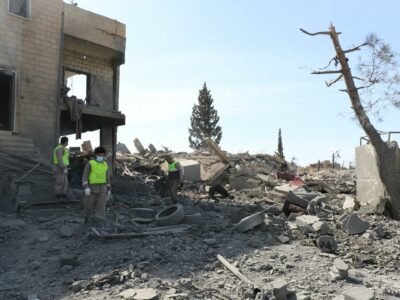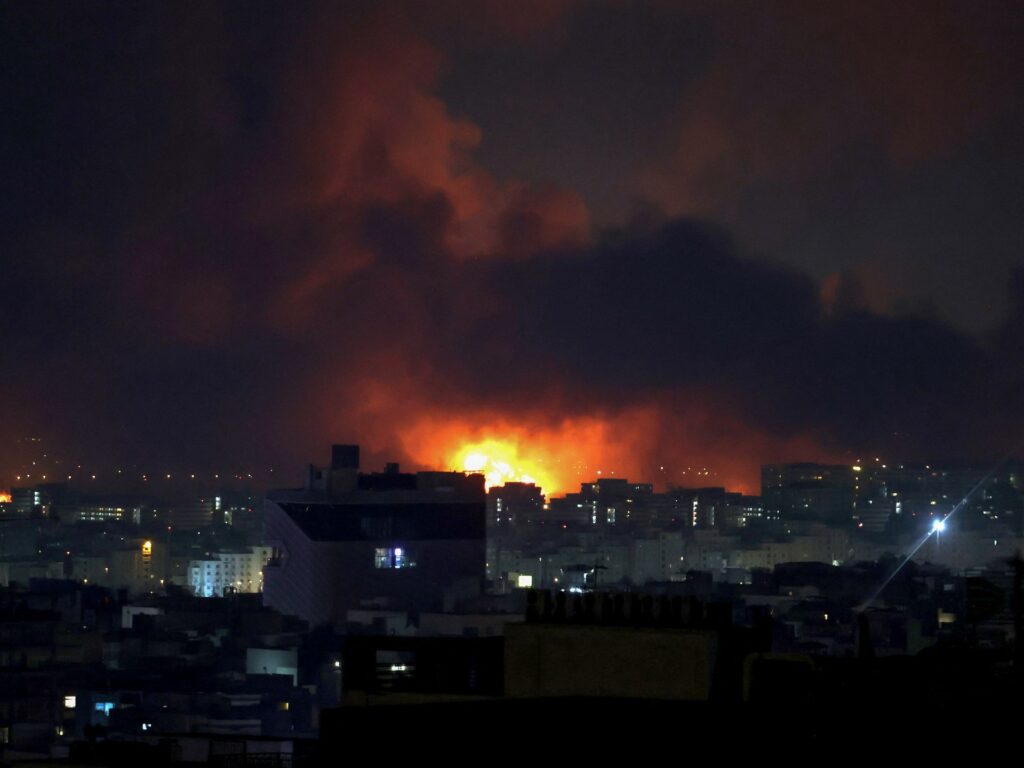
The ongoing conflict between the US-Israel coalition and Iran has significantly escalated in its second week, marked by severe attacks on Tehran and targeted strikes against Israel. This intensification follows eight days of fierce hostilities, with both sides unleashing a series of military actions that have shaken the region.
Reports indicate that Tehran, the capital of Iran, has been heavily bombarded, resulting in widespread explosions and destruction. The aggressive airstrikes carried out by US and Israeli forces represent an attempt to weaken Iran’s strategic capabilities and retaliate for previous actions alleged against Iranian-backed groups.
Iran, however, has not remained passive in the face of these assaults. The Iranian military and allied forces have launched retaliatory strikes targeting Israeli territory, signaling a dangerous escalation in the conflict. There are increasing concerns about the potential for this war to expand beyond the current zones of engagement, risking broader regional instability.
Experts note that this conflict reflects deeper geopolitical tensions involving influence over the Middle East, nuclear capabilities, and longstanding animosities. The international community has called for restraint and dialogue, although on-the-ground realities suggest a protracted period of violence.
The humanitarian impact of this conflict is already severe, with civilian casualties reported in multiple locations and critical infrastructure damage exacerbating the crisis. Human rights organizations have urged for greater protections and immediate ceasefire negotiations.
As the conflict enters its second week, the world watches closely, apprehensive about the next moves by both belligerents. Efforts by diplomatic channels to de-escalate the situation continue amidst the backdrop of ongoing military confrontations.
This war, now stretching beyond just battlefield engagements, highlights the complexities of modern warfare where geopolitical strategy, national security, and humanitarian concerns collide with devastating consequences. The coming days are critical in determining whether a path toward peace can emerge or if the conflict will spiral into a wider regional or even global confrontation.