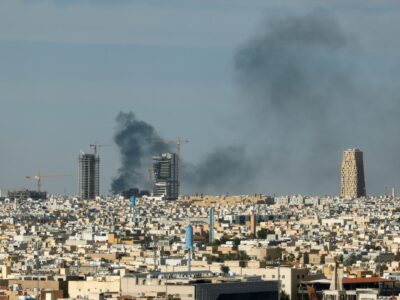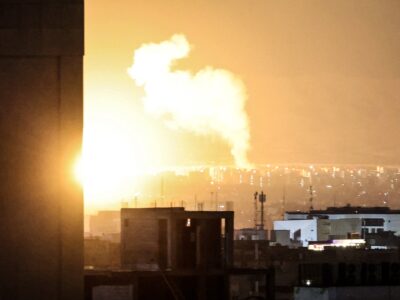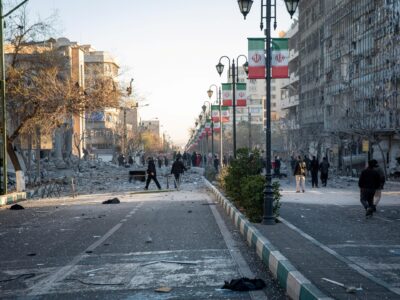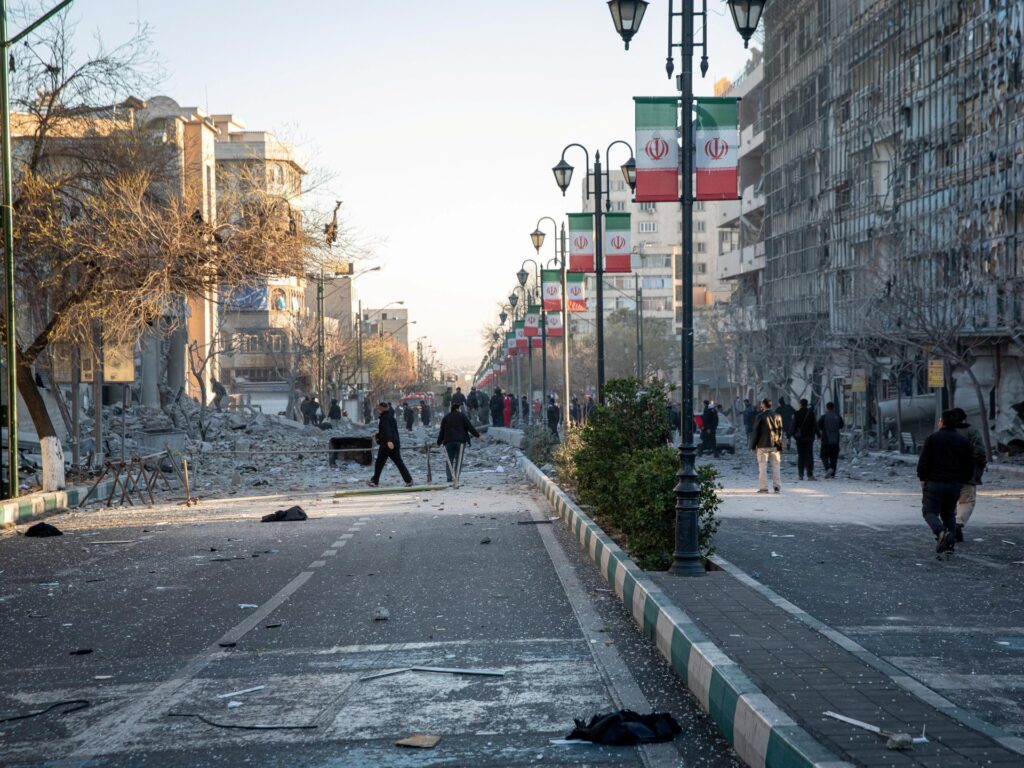
As the conflict between the US-Israel coalition and Iran enters its eighth day, the situation remains dire and volatile. Since the onset of the war last weekend, at least 1,332 people have been reported killed in the attacks targeting various strategic locations in Iran. This escalating crisis marks one of the deadliest phases in the region’s recent history, drawing international concern and calls for ceasefire.
The coordinated strikes launched by US and Israeli forces aimed at crippling Iran’s military and nuclear capabilities have led to widespread destruction across numerous urban centers. Civilians have been caught in the crossfire, with hospitals overwhelmed by the influx of the injured and a growing humanitarian crisis unfolding.
Both governments have stated their objectives focus on neutralizing threats posed by Iran’s alleged nuclear ambitions and regional influence. However, the high casualty figures and extensive infrastructure damage have prompted debates about the proportionality and legality of the military operations.
In Tehran, Iranian officials have vowed retaliation and strengthened internal security measures amid fears of further incursions. The Iranian leadership remains defiant, calling for national unity and resistance against what they describe as aggression aimed at destabilizing their sovereignty.
The international community is split, with some countries condemning the attacks and urging immediate cessation of hostilities, while others support the coalition’s efforts to prevent perceived threats. The United Nations has called for emergency talks to mediate and de-escalate tensions, fearing the conflict could spread beyond the current battlegrounds.
Daily life in affected areas has been severely disrupted, with mass evacuations, shortages of essential supplies, and widespread fear among the population. Humanitarian organizations are struggling to provide aid amid ongoing security risks and logistical challenges.
As the conflict drags on, analysts warn of potential escalation if diplomatic channels remain inactive. The risk of drawing neighboring countries into the fray could turn the regional war into a broader international crisis.
The eighth day of conflict thus underscores the urgent need for dialogue and peaceful resolution to prevent further loss of life and regional destabilization. The eyes of the world remain fixed on Iran, waiting to see whether cooler heads will prevail or if the bloodshed will continue to mount.