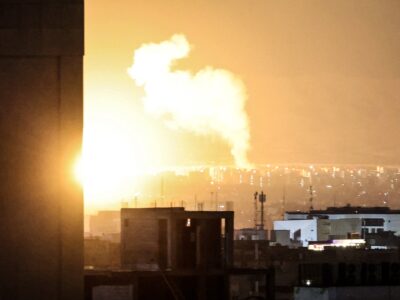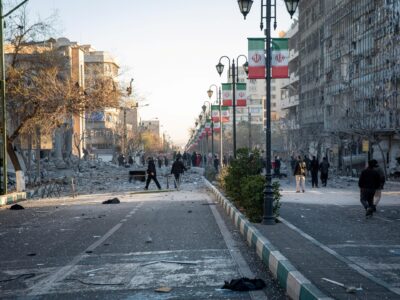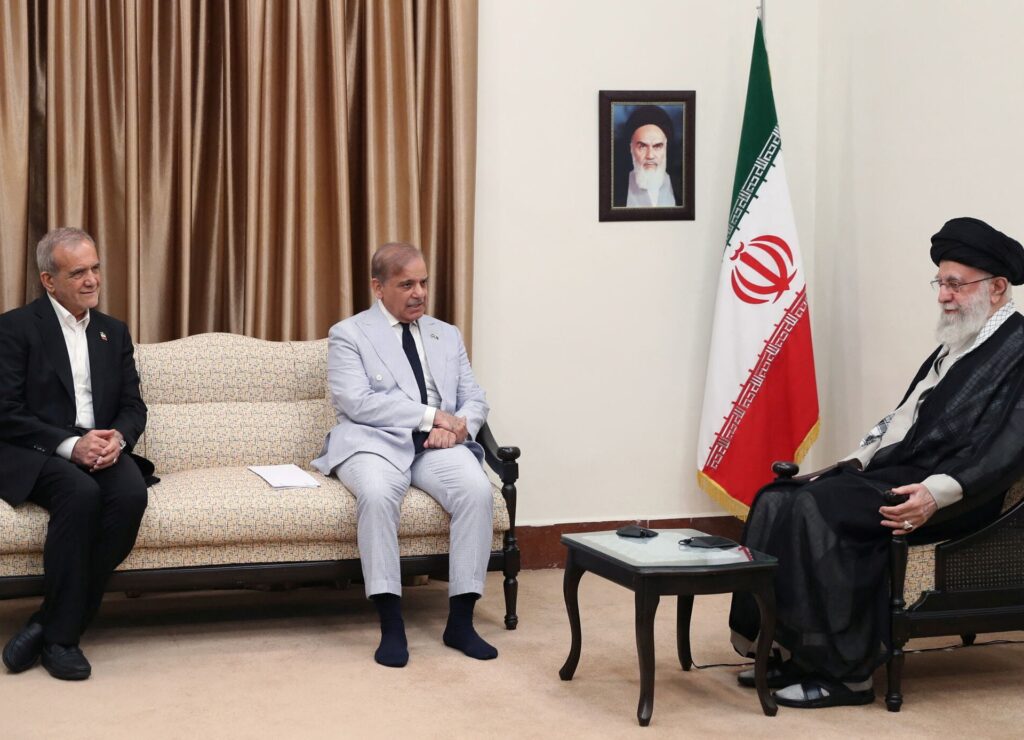
Pakistan finds itself in a precarious position as tensions escalate between Iran and Saudi Arabia, two regional heavyweights whose rivalry has significant implications for the geopolitics of the Middle East and South Asia. As Iran launches strikes on Gulf targets, Pakistani policymakers face the daunting challenge of balancing its alliance with Saudi Arabia while avoiding open confrontation with Tehran.
The historical context of Pakistan’s relations with these two countries is complex. Saudi Arabia has been a longstanding ally of Pakistan, providing economic aid, investment, and religious legitimacy, particularly through support to the Sunni majority in Pakistan. Conversely, Iran, a Shia-majority nation, shares deep cultural and religious ties with the Shia minority in Pakistan and has sought to expand its influence in the region. Pakistan’s geographic proximity to Iran also adds a layer of strategic concern, especially given the border’s sensitivity.
Recent developments have put Pakistan in a diplomatic quandary. Following Iran’s strikes targeting Gulf interests, Riyadh has tightened its calls for regional solidarity among its allies. Pakistan’s government has reiterated its commitment to brotherly relations with Saudi Arabia, emphasizing shared economic and security interests, including cooperation on counterterrorism and energy projects.
However, overt alignment with Saudi Arabia risks antagonizing Iran. Tehran views Pakistan’s support to Riyadh with suspicion, wary of being encircled by hostile forces. In recent years, Iran has been sensitive to Pakistani policies on sectarian violence and militancy, areas where Pakistan is keen to maintain neutrality and stability.
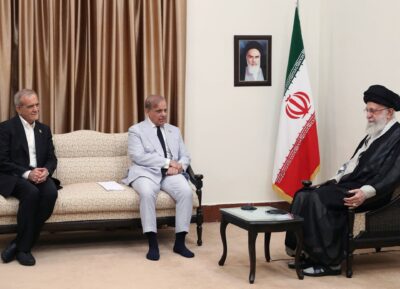
Pakistan’s leadership has therefore pursued a delicate balancing act, advocating for dialogue and de-escalation between Saudi Arabia and Iran. Islamabad has called for peace and regional cooperation, warning against conflict that could destabilize South and Central Asia.
Economically, Pakistan depends heavily on Saudi investments and remittances from millions of Pakistani expatriates in the Gulf, further complicating its stance. At the same time, Iran is a neighbor and important energy supplier, with discussions ongoing about energy imports that could alleviate Pakistan’s chronic power shortages.
The domestic political dimension is equally challenging. Pakistan’s internal sectarian dynamics mean that any overt foreign policy tilt may trigger unrest among different religious and ethnic groups. Policymakers thus strive to maintain a neutral posture to avoid inflaming domestic tensions.
Militarily, Pakistan keeps communication channels open with both Saudi and Iranian counterparts, conducting joint exercises and sharing intelligence to combat extremist threats. This pragmatic approach is designed to preserve peace and security along its borders and in the broader region.
Despite Pakistan’s efforts, the growing hostility between Tehran and Riyadh poses a persistent risk. Analysts warn that prolonged conflict between the two powers could force Pakistan into making difficult choices, challenging its proclaimed neutrality.
In conclusion, Pakistan’s ability to stay neutral amid Iran-Saudi tensions depends on its skillful diplomacy, balancing economic needs, security concerns, and domestic stability. While neutrality may hold in the short term through dialogue and prudence, the evolving geopolitical landscape means Islamabad must continuously reassess its strategies to navigate this complex and volatile regional rivalry.