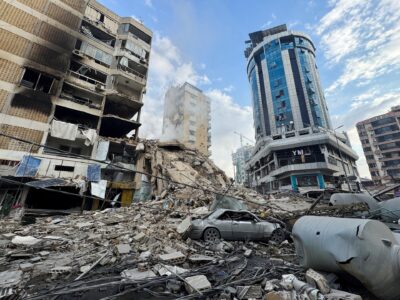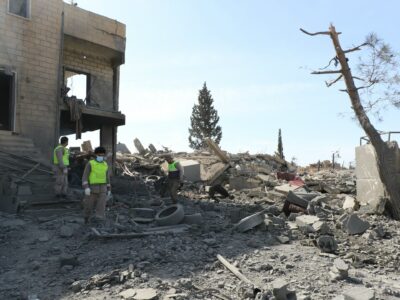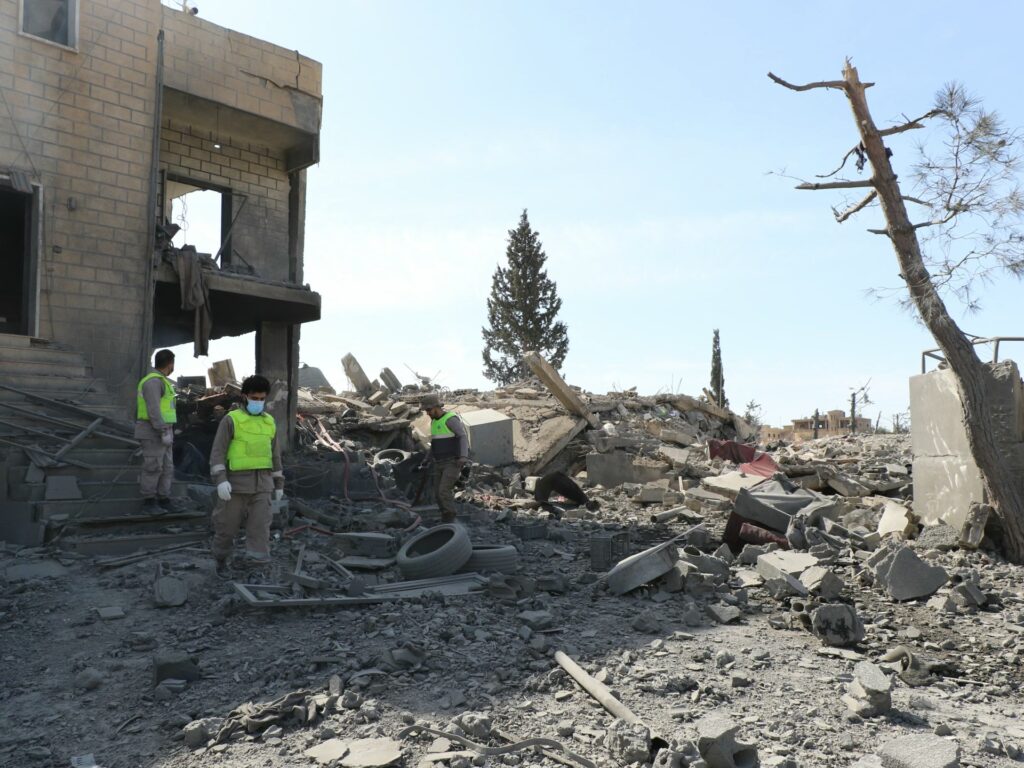
In a harrowing incident that has escalated tensions in the region, Israeli air strikes on Lebanon’s Bekaa Valley have resulted in the death of at least 26 people, according to Lebanon’s official state media. The tragic bombardment has also claimed the lives of three Lebanese soldiers, further intensifying the conflict.
The Bekaa Valley, a strategically vital and fertile region located in eastern Lebanon, has been a hotspot for conflicts involving Israel and Lebanese groups for years. This recent attack marks a severe outbreak of violence, sparking international concern and condemnation.
According to reports from Hezbollah, the Lebanese Shiite militant group and political party, there have been active clashes between their forces and the Israeli army on the ground. Hezbollah’s involvement underscores the complex and volatile nature of the conflict, as the group is fiercely opposed to Israel’s presence and actions in the region.
The Israeli military has not yet released an official statement regarding the air strikes or the reported casualties. However, the operation is believed to be part of Israel’s ongoing efforts to target militant infrastructure and personnel in southern Lebanon, which it perceives as a direct threat to its national security.
This escalation comes amid a backdrop of longstanding hostility between Israel and Lebanon, particularly due to the presence of Hezbollah, which Israel considers a terrorist organization. The air strikes and subsequent ground clashes risk further destabilizing an already fragile security situation in the region.
The Lebanese government has condemned the attacks, calling for an immediate ceasefire and urging the international community to intervene to prevent further loss of life and escalation of violence.
Humanitarian concerns are rising as well, with reports indicating that civilians have been caught in the crossfire. The Bekaa Valley is home to many communities, including refugees and internally displaced persons, who face increasing risks due to the conflict.
Regional analysts warn that continued hostilities could trigger a broader conflict, potentially drawing in neighboring countries and impacting the wider Middle East peace process.
International actors, including the United Nations and various world powers, have called for restraint and dialogue to defuse tensions. Efforts are underway to broker peace and prevent further bloodshed.
The situation remains fluid, with both sides preparing for potential further confrontations. The coming days will be critical in determining whether diplomatic efforts can succeed or if the cycle of violence will continue to escalate.